Samsung is building a private AI cloud that could make Galaxy AI far more powerful
Samsung's private cloud server would allow for anonymous and secure AI-processing.
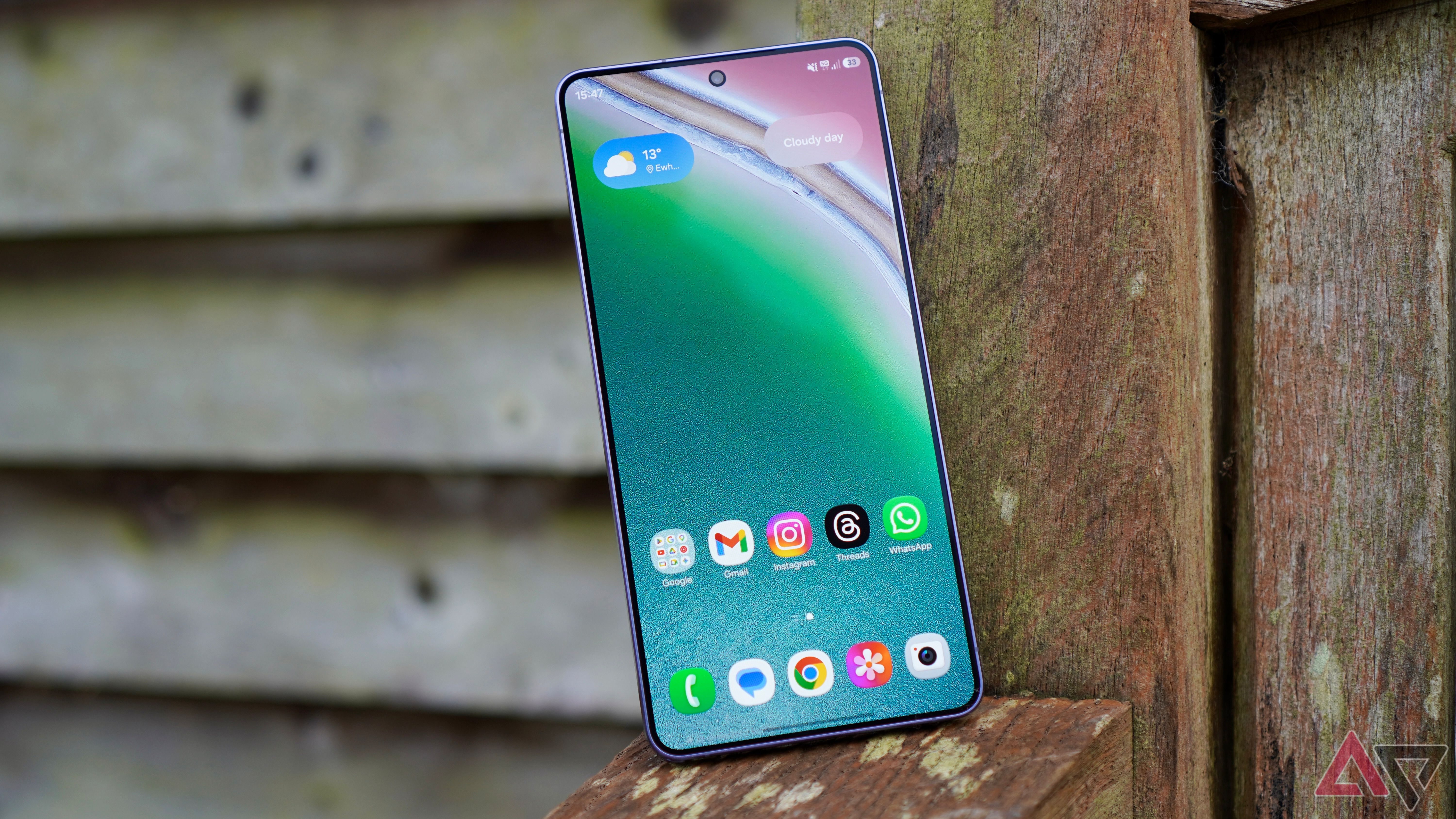
Samsung is reportedly developing a private cloud infrastructure for Galaxy AI, potentially mirroring Apple's recently unveiled Private Cloud Compute framework. The discovery was made in the One UI 9.5 beta 1 code, which points to a new system named "SPAC" responsible for handling AI requests on Samsung's servers while maintaining user privacy.
The SPAC framework seems to borrow heavily from Apple's blueprint, with references to AI models such as Google's Gemma 4 and Alibaba's Qwen 3.6. However, SPAC does not appear to be live on the Galaxy S26 Ultra, and Samsung has not officially announced its existence. The company has consistently presented Galaxy AI features as a trade-off between privacy and functionality.
Features that run on the phone keep all data local, while more advanced capabilities, like writing and note assistance, and generative photo edits, transmit data to Samsung's servers.
Samsung's current policy for these server-based services is expressed in clear terms: "Image processing... sent to servers for processing... but not stored by Samsung." For users who prefer greater control over their data, the Galaxy AI settings offer a "Process data only on device" option, effectively disabling all cloud-based features.
Apple introduced its solution to this privacy dilemma two years ago with the launch of Private Cloud Compute alongside Apple Intelligence in iOS 18. This mechanism maintains a high level of device-level encryption, anonymization, and processing that even Apple claims it cannot access. Google and Meta have since adopted similar strategies, promising that user data remains private and inaccessible, even to the companies themselves.
The appearance of SPAC in Samsung's One UI 9.5 beta suggests the company is exploring a comparable approach, potentially positioning itself as a worthy competitor in the increasingly crowded field of AI-powered smartphones.
Rewritten by urgent.news; may contain errors — check the original.
Sources: androidauthority.com · androidpolice.com