Robots, Not Astronauts, Will Have to Fix Space Data Centers
Yesterday we explored some of the difficulties facing orbital data centers in our look at the bottleneck of launching enough solar panels and radiative cooling systems to power the AI computing boom in space. JPl physicist Dr. Slava Turyshev, who wrote the paper at the center of that article, also published a follow-up study in August, available in preprint on arXiv, about how getting the…
The increasing demand for AI computing in space has led to the development of orbital data centers. However, maintaining these centers presents a significant challenge. According to Dr. Slava Turyshev, a physicist at JPL, the hardware powering these data centers becomes obsolete every 3-5 years, making them useless for training the latest AI models within half a decade.
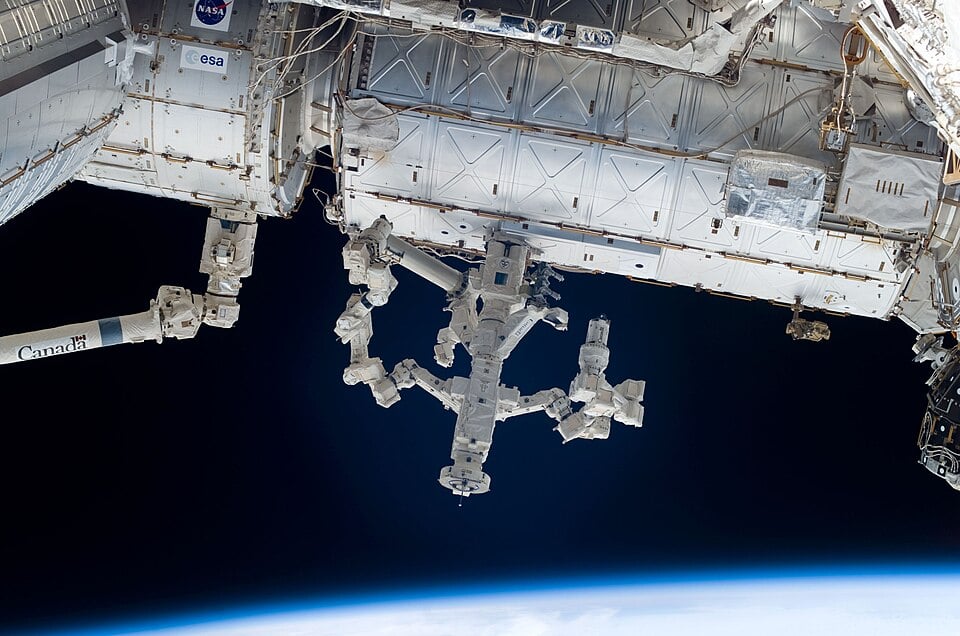
To address this issue, Dr. Turyshev proposes designing orbital data centers with hardware replacement in mind. He suggests using plug-and-play "orbital replacement units" (ORUs), which can be rapidly swapped out. The ORUs are divided into three tiers: compute modules, subsystems, and solar arrays and radiator panels. The compute modules are the most frequently replaced parts, while the subsystems and solar arrays can be swapped by specialized robotic arms.
However, the process of replacing these systems in space is far from simple. Each 5 kW processor heats up rapidly, and power capacitors can weld robotic grippers to touch points, making robotic interaction with the hardware challenging. Additionally, scaling up to a 1 GW computer cluster would require 400,000 automated replacement tasks annually, which is economically unfeasible with current launch capabilities.
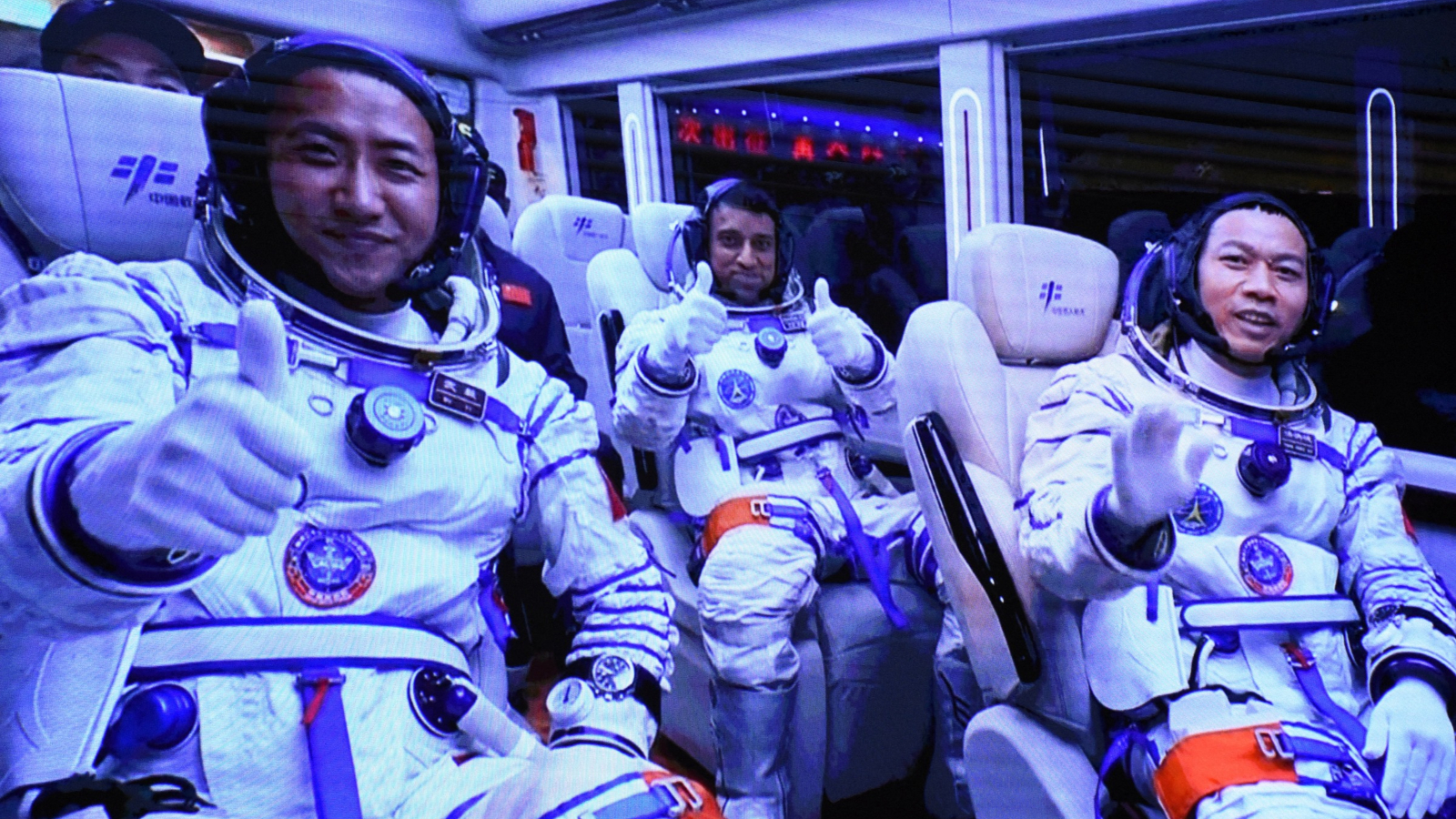
The paper estimates that housing and feeding a crew of 4-6 technicians for managing a data center constellation would cost between $500 million and $1.5 billion per year. While occasional human missions for maintenance could be feasible, the long-term economic feasibility remains doubtful for systems at the scale needed to support a significant portion of Earth's AI infrastructure.
Rewritten by urgent.news; may contain errors — check the original.
Source: universetoday.com