Psychology says frequent worry isn’t a sure sign of shorter nights — it tracks with reporting less sleep, but not what wrist monitors recorded
People who lean toward worry often feel convinced they aren't getting enough sleep. New psychology research in young adults finds that while higher neuroticism tracks with reporting fewer hours, wrist-worn sleep monitors show no shortfall.
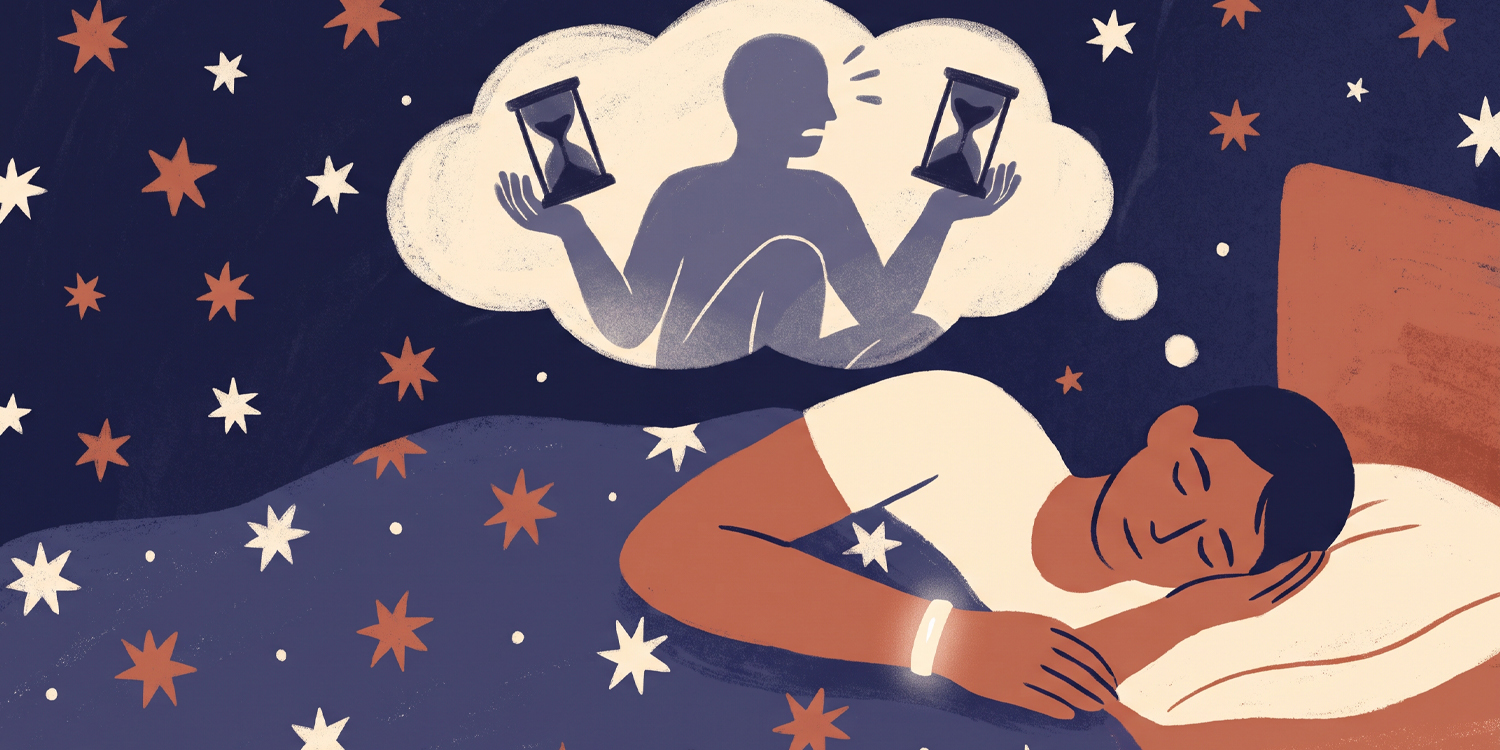
A new study reveals that a person's tendency toward worry doesn't necessarily mean they get less sleep, but rather that their perceived sleep duration may differ from what a wrist-worn tracker logs. Researchers from Villanova University found that neuroticism, a personality trait associated with experiencing worry and negative emotions more easily, was linked to students underestimating their sleep duration by roughly 15 to 20 minutes for each one-point increase on a five-point scale.
However, this discrepancy was not found in the data recorded by the wrist devices, suggesting that neuroticism may influence how individuals perceive, recall, and report their sleep duration rather than their actual sleep duration. The researchers hypothesize that neurotic individuals might recall or interpret their sleep nights more negatively or feel like it takes longer to fall asleep due to worry before bed.
Rewritten by urgent.news; may contain errors — check the original.
Source: psypost.org