Prosecco’s ‘heroic’ vines offer a test case in climate resilience
Harvest has been steady in spite of extreme weather, and adaptation to harsher climate has a financial cost. Wine production elsewhere in Europe has suffered much more.
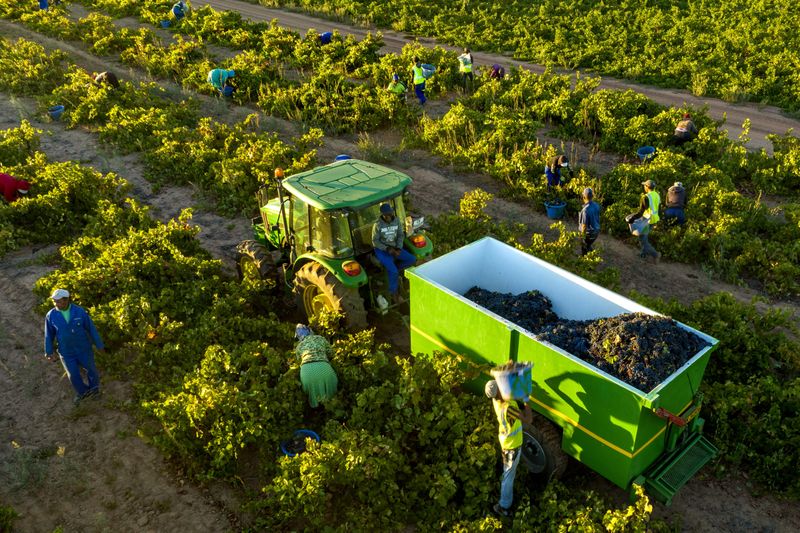
The Conegliano Valdobbiadene region in northeastern Italy, home to some of the most prestigious Prosecco sparkling wine, is serving as a potential blueprint for climate change resilience. Despite enduring one of the hottest growing seasons on record, replete with drought and unusually warm nights, Prosecco grape growers and producers anticipate this year's harvest to be in line with the previous year's output. This optimistic outlook, however, comes with a financial burden.
The Prosecco Conegliano Valdobbiadene DOCG consortium, representing an exclusive denomination produced from vineyards known as heroic due to their altitude and steepness, commissioned research to model how climate indicators such as temperature, humidity, and rainfall might change over the coming decades. The consortium's director, Diego Tomasi, and producers noted that this year's growing conditions closely mirrored what the models predicted for around 2045.
This summer saw an accelerated growing cycle, with the harvest commencing about 10 days earlier than the historical average. By September 15, 90% of the harvest was complete, resulting in quantities similar to those of 2025. Notably, despite the extreme daytime heat and tropical nights, production exceeded 70 million bottles in the first nine months of 2026, slightly below the same period in 2025 but still around 7% above the average of the last decade.
The region's steep hillsides, rarely replanted, are home to some vineyards that have produced grapes for up to 90 years. These older vines, possibly resistant due to prolonged exposure to extreme conditions, may contribute to the region's ability to maintain yields. Vineyard management practices have also evolved to cope with climate change. Growers have reduced pruning, leaving more foliage to shield grapes from the sun, and are increasingly focusing on water management to retain moisture during drier periods.
However, climate adaptation measures are likely to increase production costs, which the growers may struggle to pass on to consumers given the competitive market. Researchers involved in the consortium's study warn that warmer temperatures could accelerate sugar accumulation while reducing acidity, impacting the wine's quality. Despite these concerns, the growth of the harvest this year is being hailed as a testament to the region's potential for climate resilience.
Rewritten by urgent.news; may contain errors — check the original.
Source: dailymaverick.co.za