¿Por qué el calor extremo está dejando al planeta sin agua dulce? Ríos y embalses tienen caídas históricas
Un estudio publicado en la revista Science revela cómo el calor extremo de 2023 y 2024 redujo las reservas de agua dulce en ríos, lagos y embalses.
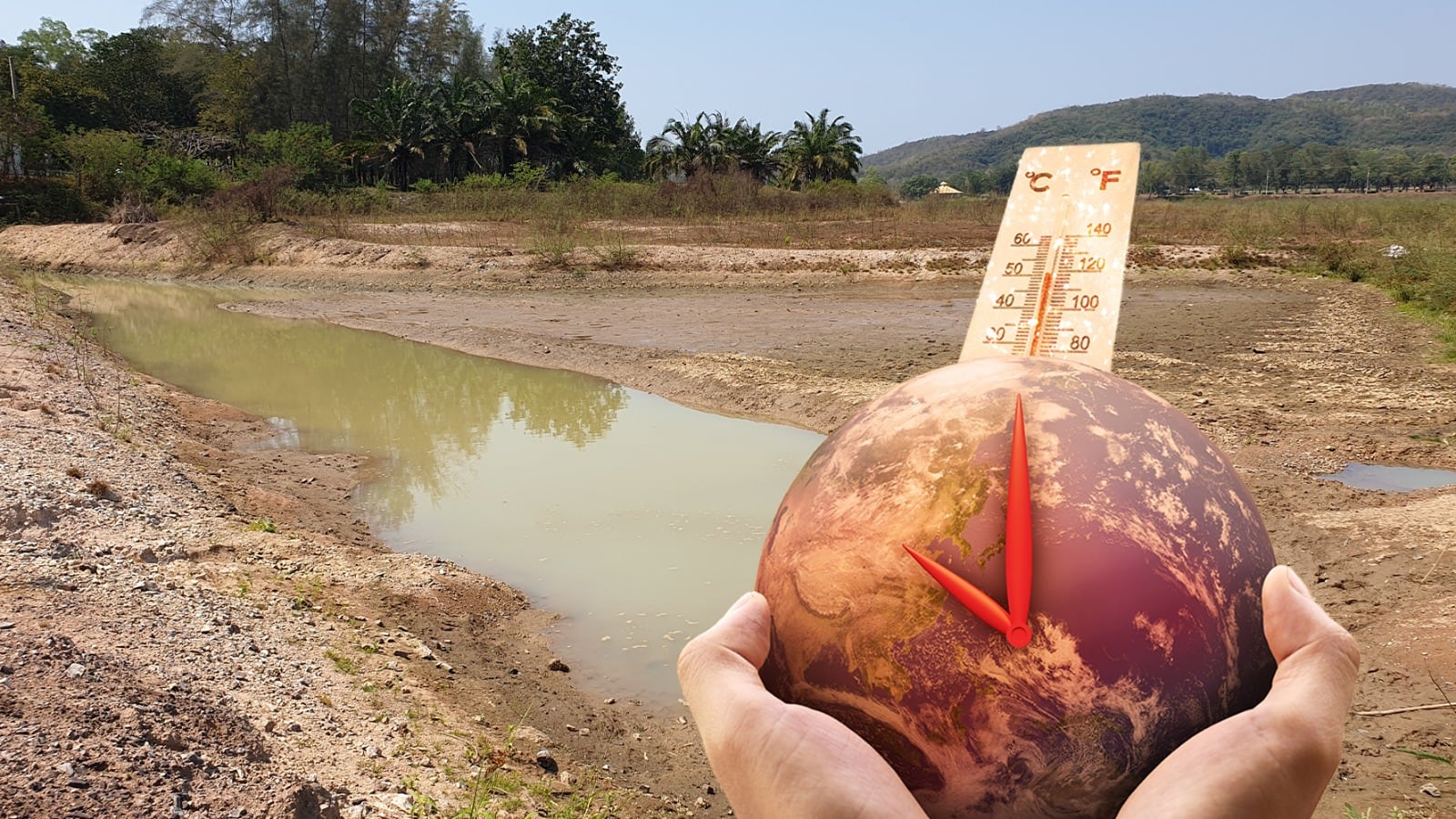
Extreme heat worldwide in 2023 and 2024 led to unprecedented declines in the planet's freshwater resources, according to a study published in the journal Science. River flows dropped by 5.7 percent and surface water storage fell by nearly 9.5 percent compared to the 1991-2020 average, researchers discovered. The authors warn of "high vulnerability of water resources to global warming, even in humid regions."
These scientists observed that the extreme heat experienced in 2023 and 2024, with global average temperatures surpassing 1.5 degrees above pre-industrial levels, resulted in atmospheric drought, reduced river flows, and widespread depletion of soil moisture. By analyzing data from 150 major river basins and over 1.2 million water bodies between 1991 and 2025, the study found that river flows decreased by 5.7 percent and surface water storage dropped by 9.5 percent relative to the historical average.
The most significant decline occurred in South America, where El Niño combined with warming of the North Tropical Atlantic caused river flows to fall by 4.2 percent. The Amazon basin recorded its lowest flow in the last four decades, along with the La Plata basin. Other regions experiencing severe reductions include those in North America and Africa.
The study emphasizes that increased precipitation does not necessarily mean more available water for inhabited areas. Instead, the results suggest a redistribution of moisture favoring ocean precipitation over continental regions. While the study focuses on surface waters, lead scientist Antonio Collados from the Spanish Geological and Mining Institute (IGME-CSIC) notes that understanding previous groundwater conditions could help interpret the severity of surface water reductions.
"In many hydrological systems, aquifers act as strategic reserves that can buffer the effects of droughts," Collados explains. "Therefore, a previous reduction in groundwater storage may have amplified the impacts during these exceptionally hot years." Although climate science has long predicted that global warming would intensify the water cycle, leading to heavier rains in humid regions and greater evaporation in dry spells, real-world observations reveal a more complex picture, the researchers conclude.
Rewritten by urgent.news; may contain errors — check the original.
Source: elfinanciero.com.mx