Philippines: Pax Silica is not a land grab — but Aeta rights cannot be sacrificed for a tech dream
MANILA: In popular Filipino culture, natives known as "Aeta" (also Ayta or Ati), belong to the periphery. They are considered part of local heritage and recipients of government dole. Now, Aetas are front and centre of the emotionally-charged fight over a high-tech hub set in New Clark City (NCC). The development has triggered a major dispute on the streets, on social media and in universities.…
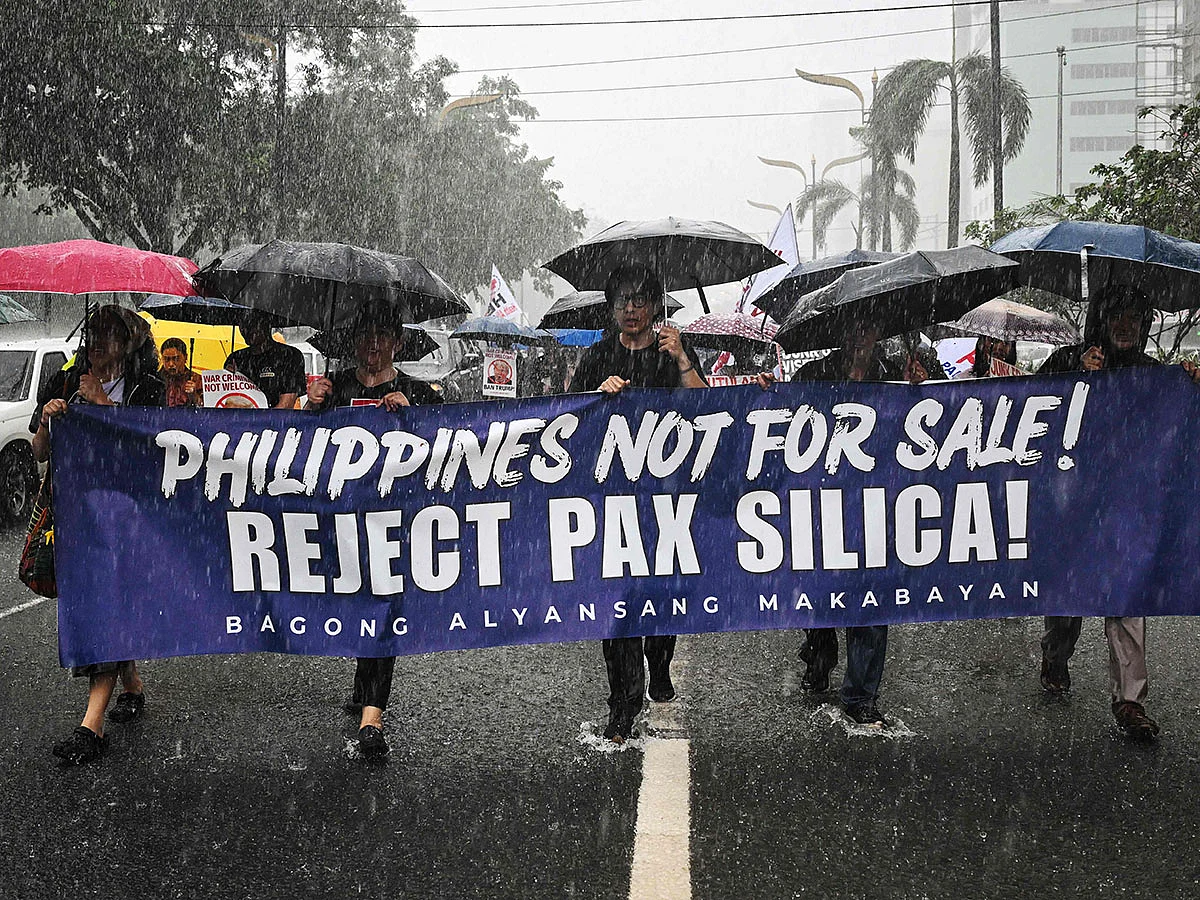
In the Philippines, the indigenous people known as "Aeta" are an integral part of the country's heritage, yet they find themselves at the heart of a contentious issue surrounding a high-tech hub dubbed "Pax Silica" in New Clark City (NCC). This 1,620-hectare industrial zone, situated in Capas, Tarlac, about 100 kilometers north of Manila, has sparked a heated debate on the streets, social media, and even university campuses.
At the center of the controversy is whether the country can advance its technological ambitions without disregarding the rights and well-being of its indigenous population.
The Aeta people, numbering between 50,000 and 60,000, primarily reside in Luzon, particularly in the Zambales mountain ranges and Mount Pinatubo areas within provinces like Zambales, Tarlac, Pampanga, and Bataan. Their ancestral domains have long been intertwined with the land, with some communities using it for farming, gathering, burial, and community life.
The proposed hub, part of the US-led "Pax Silica" initiative, aims to establish an AI-native industrial center, advanced manufacturing, and semiconductor supply chains. While officials tout its potential to boost the nation's electronics exports and drive the development of higher-value semiconductor and AI-related manufacturing, critics argue that the project may inadvertently perpetuate the historical oppression of indigenous peoples.
A key issue at hand is the matter of free, prior, and informed consent (FPIC) from affected communities. Local reports indicate that the proposed site overlaps with land traditionally used by certain Aeta communities for farming, gathering, and burial purposes. The BCDA maintains that the affected area is significantly smaller, at roughly 10 hectares, but the question of fair relocation, compensation, and preservation of cultural heritage remains unresolved.
This dispute over NCC highlights the broader struggle between national industrial ambition and the protection of indigenous land rights in the Philippines. Balancing the country's growing electronics sector with the need to respect and safeguard the rights of its indigenous population is a delicate task that requires careful planning, transparent execution, and genuine commitment to the well-being of these communities.
Rewritten by urgent.news; may contain errors — check the original.
Source: gulfnews.com