NVIDIA reportedly halts AI chip shipments to Southeast Asia
In the same week that NVIDIA reinstated Jensen Huang as its CEO, the company has reportedly also blocked shipments to Southeast Asia.
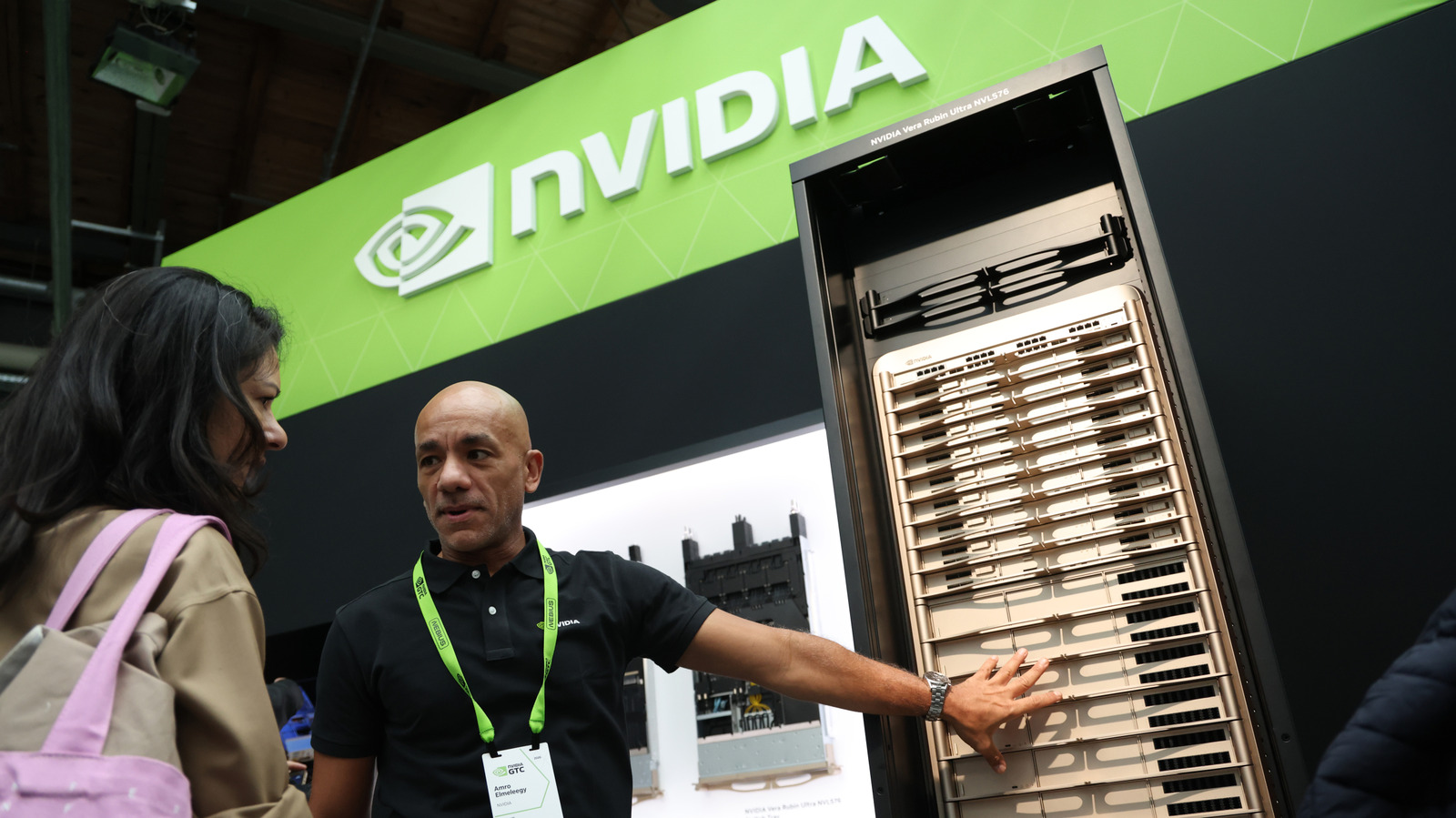
Nvidia has instructed its manufacturing partners to halt shipments of servers to four Southeast Asian countries as the US enforces export controls, according to the Financial Times. The restrictions target Malaysia, Singapore, Thailand, and Indonesia. Dell and Supermicro, among others, have notified buyers that Nvidia will not allow their orders to be shipped.
The freeze stems from new US Commerce Department rules designed to restrict Chinese firms' access to restricted chips. Chinese groups often bypass US export controls by renting access through cloud providers that purchase servers containing Nvidia chips, making the four countries popular destinations for Chinese AI developers. Under the interim rule, data centers in Singapore, Malaysia, Thailand, and Indonesia must obtain a US government license to buy advanced AI chips, with an exemption for American cloud companies.
The Commerce Department has granted cloud providers 90 days to secure licenses, provided they demonstrate that their end users are not restricted entities. The new rules follow internal turmoil at Nvidia, including a brief ousting of CEO Jensen Huang due to extramarital affairs. Huang's return has not led to more lenient enforcement.
Southeast Asia holds commercial significance for Nvidia, with the company reporting $104 billion in revenue through its Singapore subsidiary in 2025, a 72% increase from the previous year. Despite China's efforts to develop domestic alternatives, Chinese AI labs heavily rely on Nvidia processors, especially during the initial training stages.
Cloud providers express difficulty in adhering to the new rules, citing a lack of guidance on the application process and the looming 90-day deadline. This regulatory shift poses a threat to the ongoing data center boom in the region, particularly in Malaysia and Indonesia, where billions have been invested in AI infrastructure.
The uncertainty has prompted some banks to suspend credits totaling about $500 million for a project involving cloud provider Aolani, which had planned to provide computing power to ByteDance, the parent company of TikTok.
Rewritten by urgent.news; may contain errors — check the original.
Sources: freepressjournal.in · lowyat.net · forbes.com · thailand-business-news.com · engadget.com
This story
This is one outlet's version. Read the fullest account.
- Nvidia Freezes AI Server Deliveries to Thailand and other Southeast Asian countries thailand-business-news.com
- Nvidia Halts AI Server Shipments To 4 South-East Asian Countries Amid US Crackdown On China's Chip Access freepressjournal.in
- NVIDIA Reportedly Halts AI Server Shipments To Malaysia, Other Southeast Asian Countries lowyat.net
- Nvidia Reportedly Halts AI Chip Shipments To Southeast Asia As U.S. Tightens China Curbs forbes.com