NTU team develops two generations of Transformer learning processor chips for edge AI
A National Taiwan University (NTU) team has developed two generations of Transformer learning processor chips over four years, reaching a peak energy efficiency of 157 TOPS/W with its second-generation design, and has taped out a next-generation chip on TSMC's 16nm process.
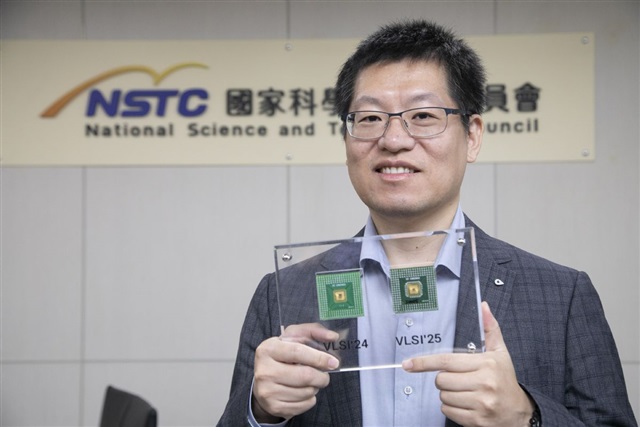
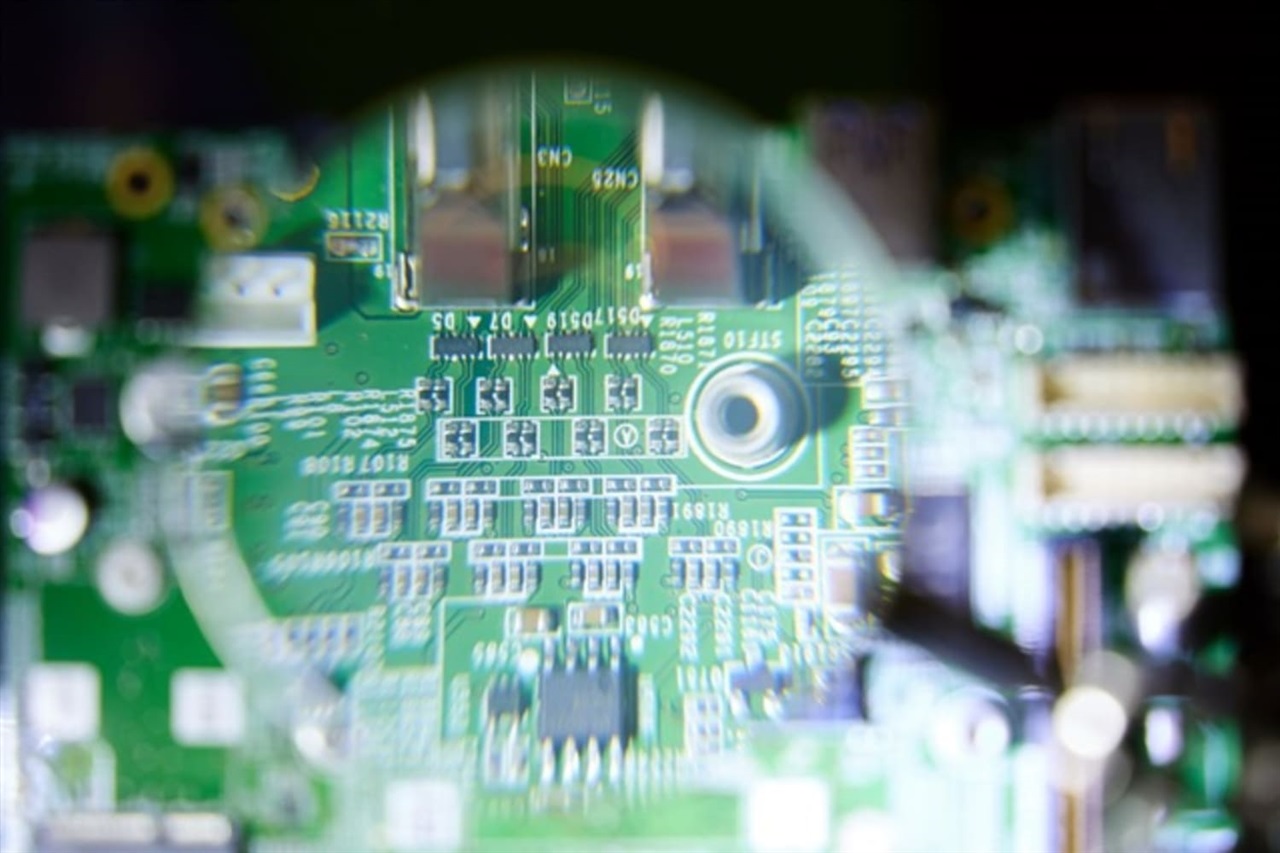
National Taiwan University (NTU) researchers have developed two generations of energy-efficient chips designed to support generative artificial intelligence (AI) applications directly on devices, according to the National Science and Technology Council (NSTC). Led by electrical engineering professor Yang Chia-hsiang, the team created transformer learning processors that reduce unnecessary computations and simplify AI processing by integrating AI algorithms, hardware architecture, and chip design.
The first-generation chip, fabricated using a 40-nanometer process, is the first reported learning processor capable of accelerating transformer inference and training, boasting a peak energy efficiency of 99.2 tera operations per second per watt (TOPS/W). The second-generation chip further simplifies model training and reduces computational and memory requirements, achieving a peak energy efficiency of 157 TOPS/W, or 1.6 to 7.6 times more efficient than advanced transformer learning processors.
These chips enable devices to analyze real-time data, operate autonomously, and make informed decisions while consuming less energy, offering advantages in applications requiring rapid responses, strong data privacy, or reliable connectivity.
Brief written by urgent.news; may contain errors — check the original.
Sources: taipeitimes.com · news.ltn.com.tw · digitimes.com
This story
This is one outlet's version. Read the fullest account.
- 《TAIPEI TIMES》 NTU develops chips for on-device generative AI news.ltn.com.tw
- NTU develops chips for on-device generative AI taipeitimes.com