Musk får grønt lys for én million satellitter
Datasentre i verdensrommet skal bruke solenergi til AI-jobbing. Astronomer frykter for nattehimmelen.
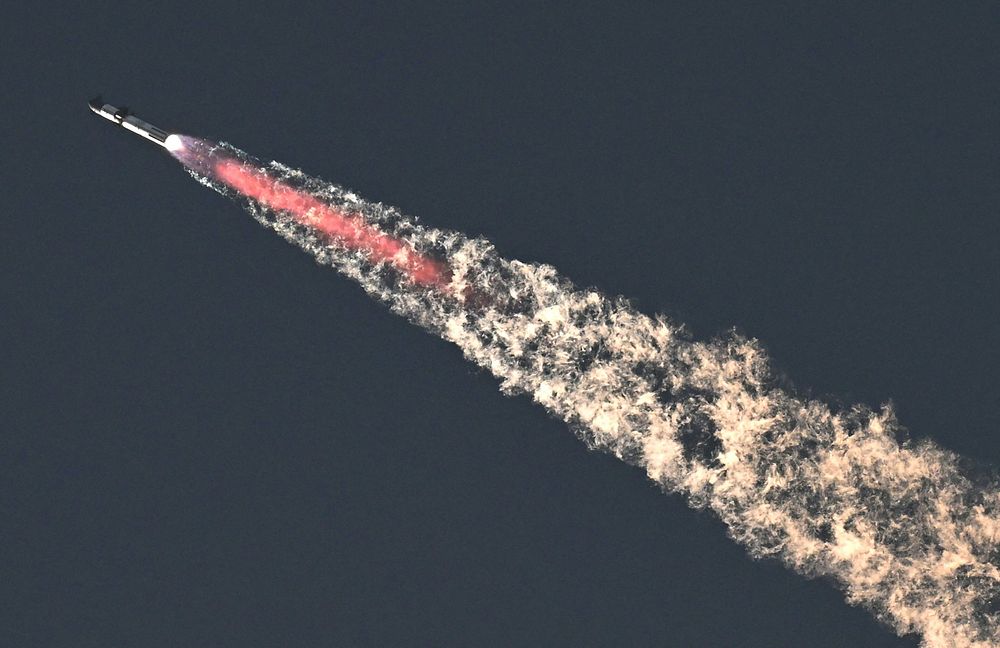
United States authorities have granted SpaceX permission to launch up to one million satellites for data processing in orbit around Earth, according to BBC. SpaceX founder Elon Musk shared his excitement about this milestone on X, describing it as a significant resource for both the United States and the world. These satellites, part of SpaceX's plan called Starmind, will use solar energy to perform the extensive calculations required by artificial intelligence.
The data will be sent back to Earth via SpaceX's Starlink network. The need for artificial intelligence has created a growing demand for more computing power. Ground-based data centers consume a lot of electricity, occupy large spaces, and require water for cooling. Therefore, SpaceX argues that a solution in space could be cheaper and more energy-efficient.
SpaceX plans to deploy the satellites in low Earth orbit, between 500 and 2000 kilometers above the atmosphere. They will communicate with Starlink, and then the data will be transmitted further to Earth. The approval does not mean that exactly one million satellites will be launched; satellite operators sometimes apply for more than they ultimately deploy.
Currently, there are around 17,000 satellites in space. SpaceX is allowed to start the deployment no earlier than November 2033, with 100,000 satellites expected in orbit by November 2035, and half of the authorized number by November 2038. The company aims to launch the first Starmind satellite next year.
The Federal Communications Commission (FCC) informed that the oversight authorities have approved these plans, marking the first such approval in US history. Critics point out the risks of collisions, increased space debris, and a brighter night sky. A US government report concluded that space-based data centers could save land, electricity, and water on Earth, but also warned about significant technical and financial challenges, including the difficulty of dealing with excess heat in space.
Martin Sweeting, the founder and chairman of Surrey Satellite Technology Ltd, told BBC that while the idea is technically possible, there is still work to be done to see if it works on a larger scale. Data transfer will depend on laser connections between the ground and the satellites, which have not been developed enough to handle the massive amounts of data that will likely be sent and received.
The American Astronomical Society expressed their disappointment and awe, stating that more, brighter, and larger satellites will significantly weaken astronomical research and the ability to enjoy the night sky.
Rewritten by urgent.news; may contain errors — check the original.
Source: e24.no