Museums finding new ways to measure wellness initiatives' value
Evaluation tools are helping staff assess wellbeing programmes in Seattle, while a medical journal calls for greater attention to access, effectiveness and implementation
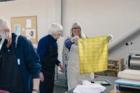
The article "Museums finding new ways to measure wellness initiatives' value" discusses how museums across the US are exploring innovative methods to assess the impact of their health and wellness programs. Institutions like Seattle’s Frye Art Museum are tackling the challenge of evaluating these initiatives, particularly in the context of serving individuals with memory loss.
The Frye Art Museum, known for its art and health initiatives, has implemented various strategies such as in-the-moment observations and feedback, as well as hands-on artmaking in collaboration with the University of Washington's Memory and Brain Wellness Center.
A key issue highlighted is the difficulty in capturing the perspective of individuals living with cognitive decline, often relying instead on qualitative data from caregivers. To address this, the Frye Art Museum utilizes the Art Bridges Foundation’s Art + Wellness Toolkit, which provides validated measures across four aspects of wellbeing: social, emotional, cognitive, and physical.
Lea Lovelace, the Frye’s associate director of creative aging programmes, emphasizes the value of this common language in their program development.
The article also touches on the broader challenges faced by museums as they expand their arts-and-health programming. The Lancet medical journal has called for translating the growing evidence of arts' health benefits into more equitable access and stronger healthcare partnerships. Susan Magsamen, founder and executive director of the International Arts + Mind Lab at Johns Hopkins University School of Medicine, views these programs as an opportunity for museums to expand their public roles and contribute to human thriving and flourishing.
Magsamen compares the integration of health and wellbeing into museum missions with the emergence of education as a core function in previous decades. She advocates for a scorecard that includes institutional performance and public benefits beyond traditional metrics like attendance and revenue. However, she cautions against designing evaluation instruments with a primary aim of proving that programmes work, stressing the importance of objective, open measures that genuinely reflect the experiences of the served communities.
The Frye Art Museum, while experiencing the tensions between enthusiasm for evidence and ethical considerations, remains committed to creating programmes that strengthen connections between the museum, public health, and healthcare. They plan to share their experiences at a convening of museum professionals and incorporate arts and health more deeply into their 2027 exhibition programme, including gallery-based creative movement and storytelling sessions.
As global awareness shifts from treatment to prevention, Art Fund is calling for greater investment in museums, highlighting their potential to reduce depression, dementia risk, and stress.
Rewritten by urgent.news; may contain errors — check the original.
Source: theartnewspaper.com