Ministers' accommodation costs of up to R80,000 a month questioned
Parliament’s Public Works Committee has questioned monthly rentals of up to R80,000 for ministers and deputy ministers
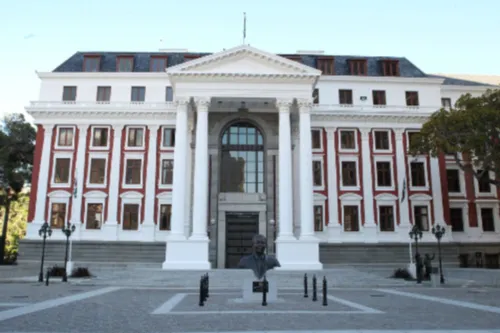
The high cost of leased accommodation for South Africa's ministers and deputy ministers has been brought to light by the Portfolio Committee on Public Works and Infrastructure. Monthly rentals for these properties range between R60,000 and R80,000. In March 2026, the Department of Public Works and Infrastructure (DPWI) ordered a national audit of 6,238 state-owned residential properties allocated to government officials.
The audit will verify occupancy, eligibility, rental arrangements, and potential disposal options. These executive residences and parliamentary villages are predominantly located in Pretoria and Cape Town, including Bryntirion Estate, Groote Schuur Estate, and several official guesthouses. The expansion of South Africa's national executive under the current administration has placed pressure on state housing and office resources, necessitating strict controls to maintain budgetary discipline without sacrificing accommodation quality or operational efficiency.
The DPWI cannot detail the specific accommodations for each minister or deputy minister, stating that no official government residences are available in Cape Town and Gauteng, and none were unallocated during the specified period. The shortage of suitable state-owned accommodation for ministers and deputy ministers has led to the procurement of leased properties.
Committee chairperson Carol Phiri expressed concern over the high monthly rentals reported by the DPWI's Prestige Unit, questioning the extent to which these costs contribute to the overall rental expenses. Members of the committee also sought clarification on whether the monthly rentals covered additional costs such as water, electricity, refuse removal, rates, and other related charges.
Phiri emphasized that the committee's role is to ensure value for money while providing South Africans with the services they deserve, warning that the provision of housing to ministers could be perceived as an overextension of public funds.
Rewritten by urgent.news; may contain errors — check the original.
Source: iol.co.za