México ‘amenaza’ a Asia con controles más estrictos por mercancía ilegal: ‘No debilitaremos las reglas’
Marcelo Ebrard advirtió que México buscará frenar el desequilibrio comercial con Asia mediante controles más estrictos para evitar la triangulación ilegal de mercancías.
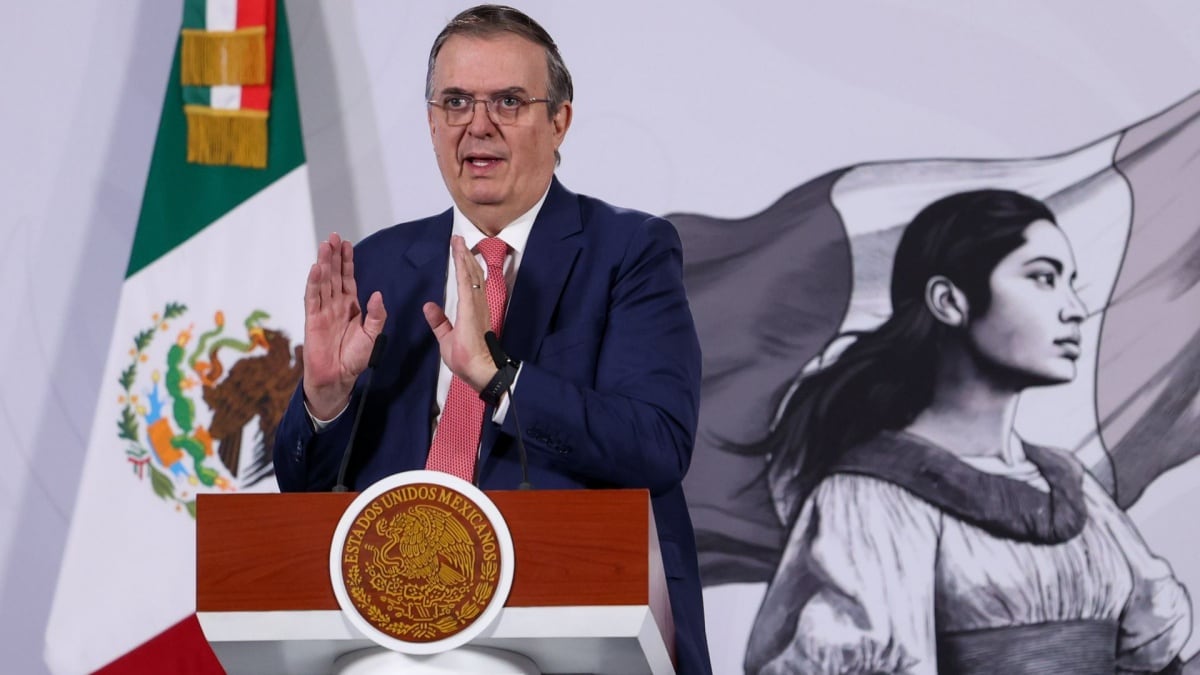
Mexico seeks to curb the commercial imbalance with Asia-Pacific by tightening market controls to prevent illegal trafficking of goods, Economy Secretary Marcelo Ebrard stated during the ministerial meeting of the Integral and Progressive Pacific Association Treaty (TIPAT) in Vietnam. Ebrard emphasized that Mexico imports significantly more than it exports and therefore needs to open up Asian markets for its products, particularly when seeking to export more.
In the first nine months of 2026, Mexico exported $31 billion to the TIPAT countries, while its imports exceeded $88 billion, resulting in a trade deficit of over $57 billion. Ebrard stressed the necessity of balancing trade, particularly with Southeast Asian nations, and warned that Mexico would not relax the commercial agreements it has made with its partners.
"We are not going to weaken our treaties or the rules we ourselves established, for example, regarding transshipment or other practices," he said. Ebrard explained that Mexico will prioritize enforcing origin rules and ensuring the traceability of goods to identify where products are manufactured and prevent the entry of third-market goods through transactions that violate trade agreements.
"Traceability is crucial so that we know where and how things are made, complying with what is stated in the treaty, the origin rules," he added. During the meeting, Ebrard also warned about the rise of protectionism in various countries and the emergence of new geopolitical tensions that did not exist a decade ago, an environment that presents new challenges for international trade.
In terms of productive integration opportunities, Ebrard proposed promoting investments and joint ventures with the treaty's member countries to capitalize on the growth of the electronics industry and digital revolution. "We can promote joint ventures, for example, in electronics and the digital revolution," he proposed. The TIPAT comprises Australia, Brunei, Canada, Chile, Japan, Malaysia, Mexico, New Zealand, Peru, the United Kingdom, Singapore, and Vietnam.
Together, their economies account for about 15 percent of the global GDP and 22 percent of global trade.
Rewritten by urgent.news; may contain errors — check the original.
Source: elfinanciero.com.mx