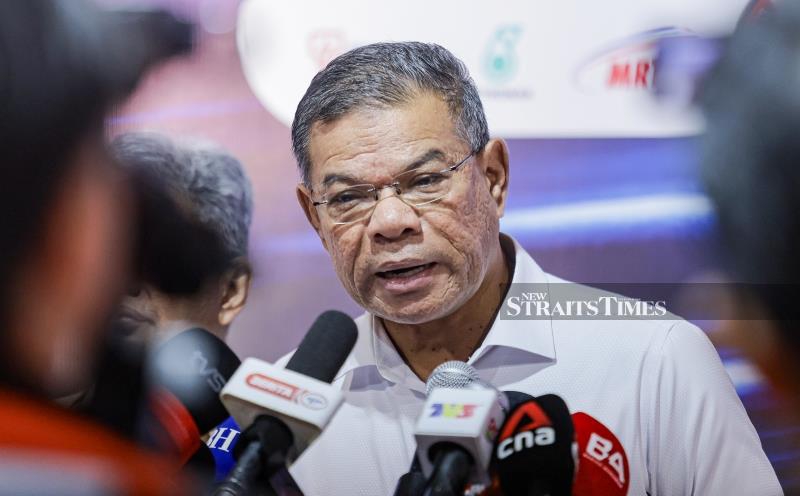
Malaysia must build new growth engines, reduce reliance on US demand – Liew
KUALA LUMPUR: Malaysia needs to strengthen its middle class, develop more mid-sized companies and build greater technological ownership to create new engines of growth amid shifting global economic and geopolitical dynamics.
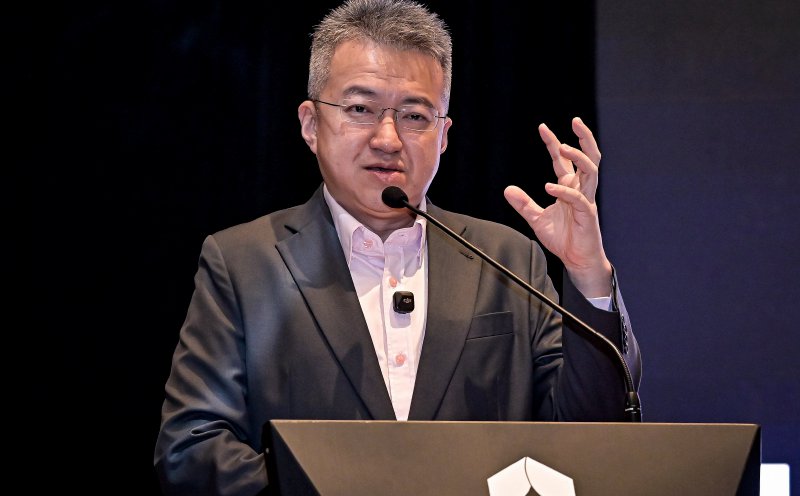
KUALA LUMPUR: Malaysia must transition to new growth engines and lessen its dependence on US demand, according to Deputy Finance Minister Liew Chin Tong. The country cannot rely solely on external demand, especially from the United States, as the consumer of last resort, Liew stated at the National Economic Outlook Conference 2026.
Instead, Malaysia should foster a larger middle class with better-paying jobs and more Malaysian companies with the capacity to expand. This shift would reduce dependence on individual export markets, not only in Malaysia but across Southeast Asia.
Liew emphasized several longer-term priorities for Malaysia, including becoming a middle power, enhancing technological capabilities, expanding the care economy, and accelerating the transition to a greener economy. Moving forward in technology, Malaysia should strive to become a technology nation by increasing local ownership and capabilities within the sector. This move would not only create another engine of growth but also enable Malaysian companies to take a more active role in the global technology ecosystem.
The care economy emerged as another essential area for employment, particularly as Malaysia faces an aging society. Liew called for creating more jobs in the care sector and ensuring adequate wages for workers, including the elderly. As AI reshapes the job market, care-related jobs are unlikely to be easily replaced by AI, making this sector increasingly relevant.
Regarding sustainability, Liew highlighted the potential for climate change to act as an engine of economic growth, particularly through the development of greener and more liveable cities. Encouraging young people to remain in cities without owning cars would contribute to more sustainable urban environments. Globally, competition between the US and China has made Asean countries, including Malaysia, Singapore, Indonesia, Vietnam, and Thailand, more strategic in the global economic landscape.
Malaysia should foster a stronger collective leadership role in deepening regional ties and work together to strengthen the position of the region. Cooperation should extend to attracting foreign investment while ensuring multinational companies adhere to taxes under the Global Minimum Tax, rather than allowing special incentives to undermine the framework.
Rewritten by urgent.news; may contain errors — check the original.
Sources: malaymail.com · nst.com.my