Locking out tomorrow's quantum hackers
LETTERS: Imagine a thief attempting to steal a locked safe today, knowing full well he cannot open it yet, simply because of the wait for a master key currently being built in a laboratory.
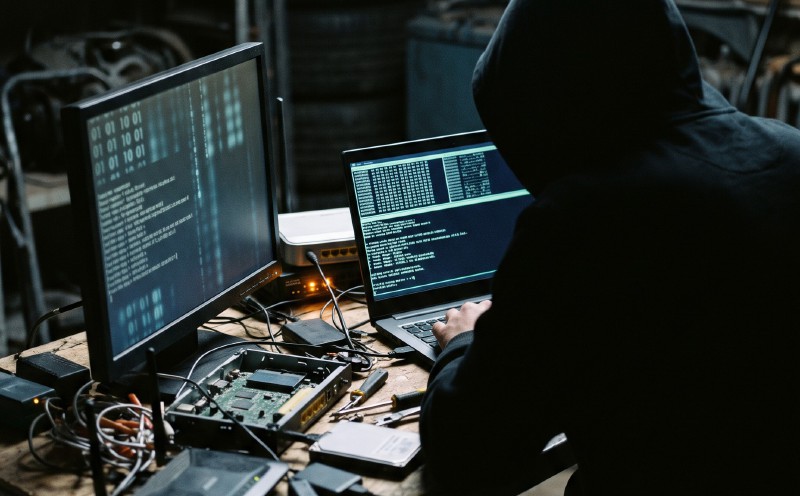
A new threat looms over the world's digital landscape as quantum computers gain the ability to easily break the encryption that currently safeguards our online privacy. This looming danger has prompted Malaysia to take decisive action, championing two key defenses: data sovereignty and Post-Quantum Cryptography (PQC).
Data sovereignty involves keeping Malaysian information within local data centers, while PQC replaces vulnerable digital locks with quantum-proof mathematics. Malaysia's swift response sets it apart from other countries, as it is currently the only Tier 1 nation in the ASEAN region to achieve readiness in Post-Quantum Cryptography assessments by 2026.
The Malaysian government's commitment to this cause is evident in its implementation of the Cyber Security Act 2024 and the National Cyber Security Agency's MyKriptografi roadmap. Cryptographers at the Malaysia Cryptology Technology and Management Centre and CyberSecurity Malaysia are actively testing next-generation defenses within a dedicated national testing sandbox.
Meanwhile, the Malaysian Communications and Multimedia Commission is pushing mobile telcos toward quantum-safe networks, following a year where scam losses reached RM19.7 billion.
In this ever-evolving landscape, where an artificial intelligence system recently cracked an experimental encryption formula in under three days, the concept of crypto-agility has become essential. This involves being able to swiftly switch algorithms overnight, much like changing a house lock after losing a spare key. Citizens are encouraged to take immediate action, such as switching off outdated 2G connections in their phone's network settings, to protect themselves from immediate, low-tech signal attacks.
By strengthening national cyber defenses today, Malaysia is ensuring that its citizens will not fall victim to the data breaches that could result from technological leaps in the future.
Rewritten by urgent.news; may contain errors — check the original.
Source: nst.com.my