La geografía de la resistencia política
La trayectoria de AMLO demostró que un país puede estar pintado de un solo color en los mapas políticos y pensar de muchos otros en las urnas.
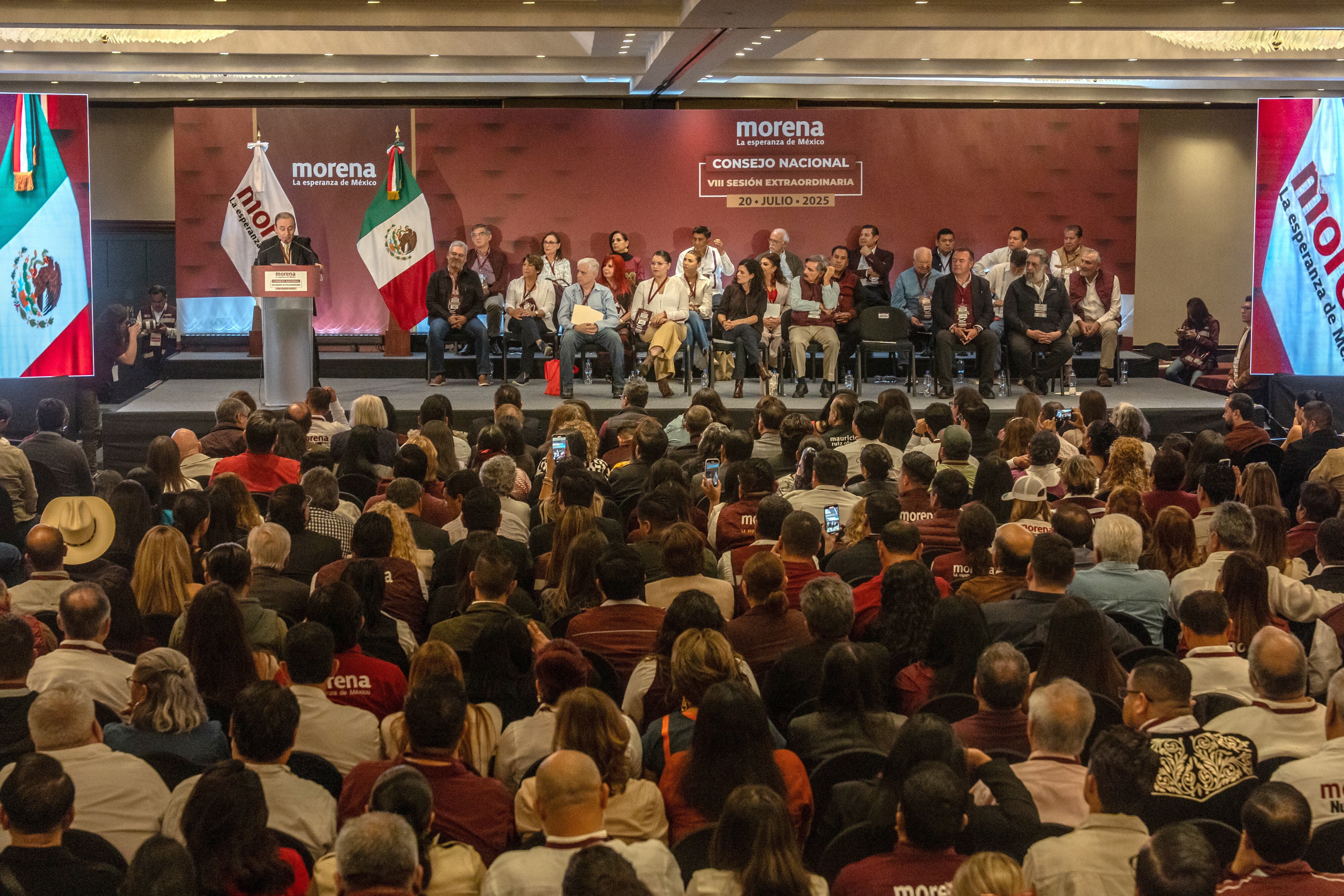
The geography of political resistance reveals how the Institutional Revolutionary Party (PRI) once conflated its governance geography with that of its supporters, amassing power through governors, mayors, legislators, and territorial structures. Andrés Manuel López Obrador, however, grasped this disconnect long before assuming the presidency. His journey illustrates that a country can be mapped with a singular political hue while harboring diverse sentiments among its electorate.
Guadalajara exemplifies this nuanced reality. In a recent development, Ariadna Montiel convened Morena groups in the city to settle 2027 candidate nominations. While national leadership called for unity, the broader political discourse returns to an age-old question: how much does proximity to those who distribute candidacies matter compared to the ability to represent those who hold power?
In Guadalajara's Chavo del Ocho neighborhood, fresh fruit agua frescas and a different taste are reminiscent of the diverse political landscape in Mexico.
The incorporation of former adversaries has been instrumental in Morena's rise, but questions arise about when the turn will come for the erstwhile obradoristas who built the movement without accruing party perks. The act of switching parties is inherently legitimate, but explaining the rationale behind such a shift, beyond affiliation, is a responsibility owed to the electorate.
In Guadalajara, this debate takes on added significance, as Jalisco was a cornerstone in the construction of Mexican federalism, marked by a complex relationship with central power.
Morena's recent successes in Guadalajara, where it held the presidency alongside local leader Verónica Delgadillo, the city's first elected female mayor, underscore the importance of distinguishing between national and local projects and parties and individuals. Popularity is not inherited; it is earned through genuine engagement.
Similarly, discontent is not simply transferred, as a person's critique of municipal governance does not necessarily precede a shift in loyalty to their political opponents. Equating popular discontent with electoral decisions is a simplistic mistake often made in politics.
Democratic societies do not demand unconditional allegiance to their leaders. Citizens can support certain decisions, question others, and demand rectifications without abandoning the political project they initially embraced. This discernment of democratic capacity is a mature expression of democracy itself. López Obrador recognized that discontent can exist independently of the dictates of party elites.
The discontent with power does not belong to any single party. Mexico would benefit from looking to Guadalajara, as the issues at stake here allow for an examination of how a movement born questioning the concentration of power intends to recognize the political autonomy of the societies it seeks to govern.
Rewritten by urgent.news; may contain errors — check the original.
Source: elfinanciero.com.mx