Inside F1’s $650 Million Bet: How the Las Vegas GP Gets Built (Part 1)
How do you build an F1 circuit on public roads? Part one of a three-part look at how the Las Vegas GP comes to life starts with the infrastructure demands.
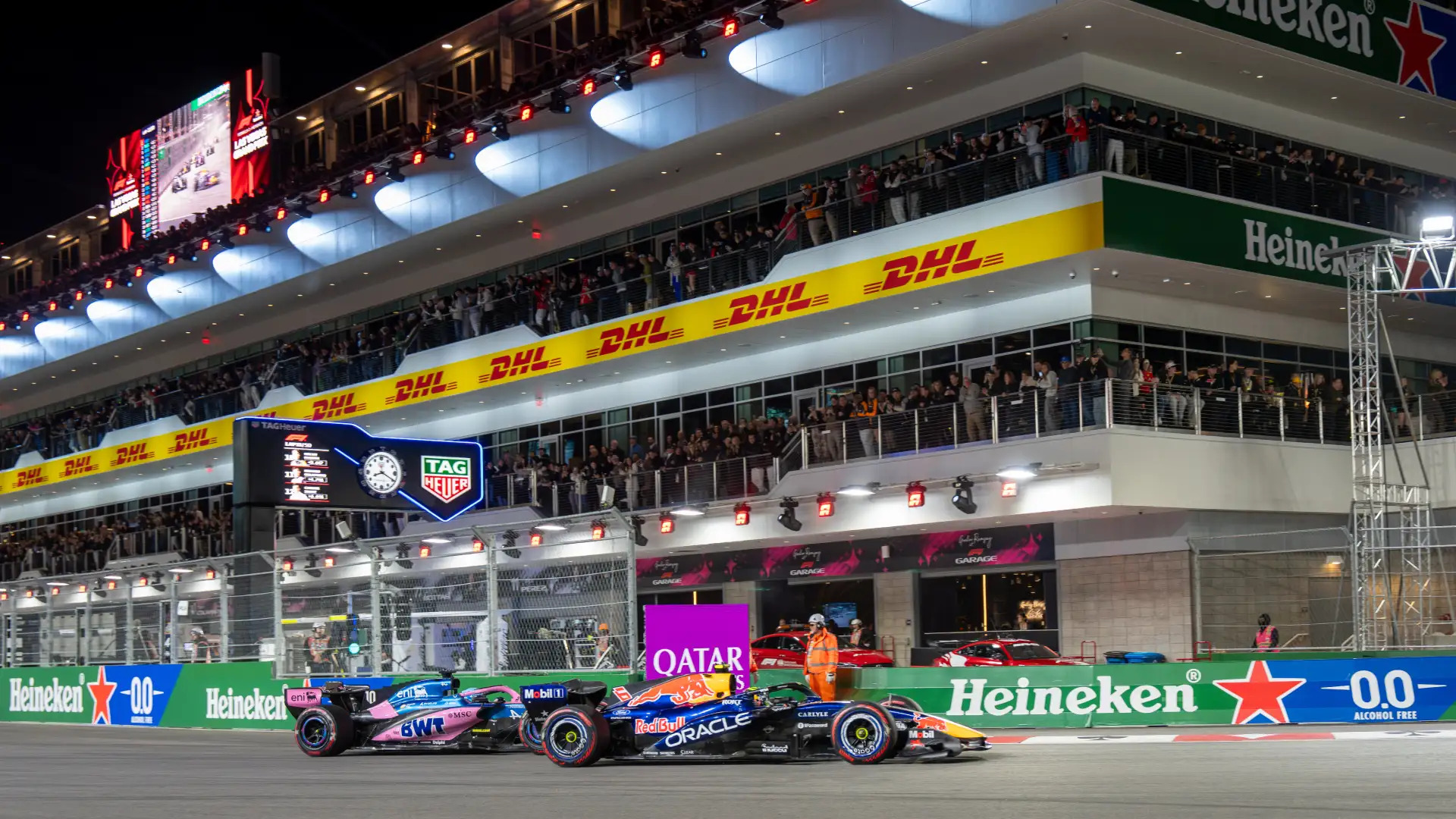
The Las Vegas Grand Prix (LVGP) is Formula 1’s first and only owned and operated race. After the COVID-19 pandemic forced cancellations of 13 of the original 22 planned Grands Prix, F1 embarked on a two-year project to bring the race to life. It took a staggering $650 million and another $10 million per year for 10 years from the Las Vegas Convention and Visitors Authority (LVCVA) to make it happen.
The race has drawn 165,000 unique visitors annually, but it required infrastructure that few events can match. The Grand Prix Plaza, a permanent 300,000-square-foot paddock building costing $240 million, sits on a 39-acre plot of land. Formula 1 also spent over $100 million on the circuit, which holds a FIA Grade 1 license—a status held by only 40 circuits worldwide.
Racing on public roads was no simple task; Formula 1 had to pave through rolling closures, with the roads reopening to the public every night after the race. The LVCVA's commitment to the race also meant sponsoring it through ticket sales and covering race support costs like police and firefighter expenses.
Rewritten by urgent.news; may contain errors — check the original.
Source: sports.yahoo.com