In a fertility advance, engineered molecular glue stabilizes chromosomes in aging eggs
Researchers engineered a protein system capable of restoring normal chromosome connections in aging mouse eggs, raising hopes of one day improving IVF outcomes
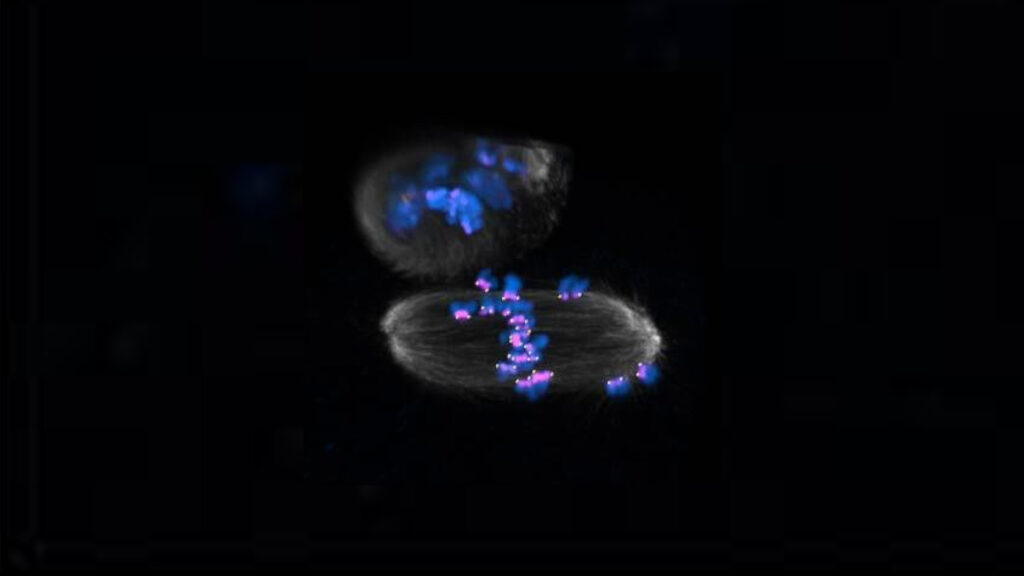
As people increasingly opt for delayed parenthood due to social and economic factors, older individuals confront a major biological hurdle: genetic errors resulting from chromosomes failing to separate properly during reproduction. This issue, termed aneuploidy, is the primary cause of age-related infertility, failed in-vitro fertilization cycles, and miscarriages, with its prevalence surging around the age of 40.
Research indicates that between 50% and 80% of embryos derived from women in their 40s harbor chromosomal abnormalities.
A key contributor to aneuploidy is the diminishing presence of a protein complex known as cohesin, which functions as a molecular adhesive, binding chromosomes together. A team of researchers at Germany's Max Planck Institute for Multidisciplinary Sciences in Göttingen has devised a groundbreaking solution. By engineering a new protein system, they have managed to reestablish the precise connections of chromosomes in aged mouse eggs.
Published in the esteemed journal Science on Thursday, this study offers promising insights into the potential future development of a treatment aimed at minimizing aneuploidy in human eggs intended for IVF procedures.
Rewritten by urgent.news; may contain errors — check the original.
Source: statnews.com