I thought a NAS was too expensive, until I added up the $280 I pay for cloud storage every year
Turns out the expensive option was the one I was already paying for
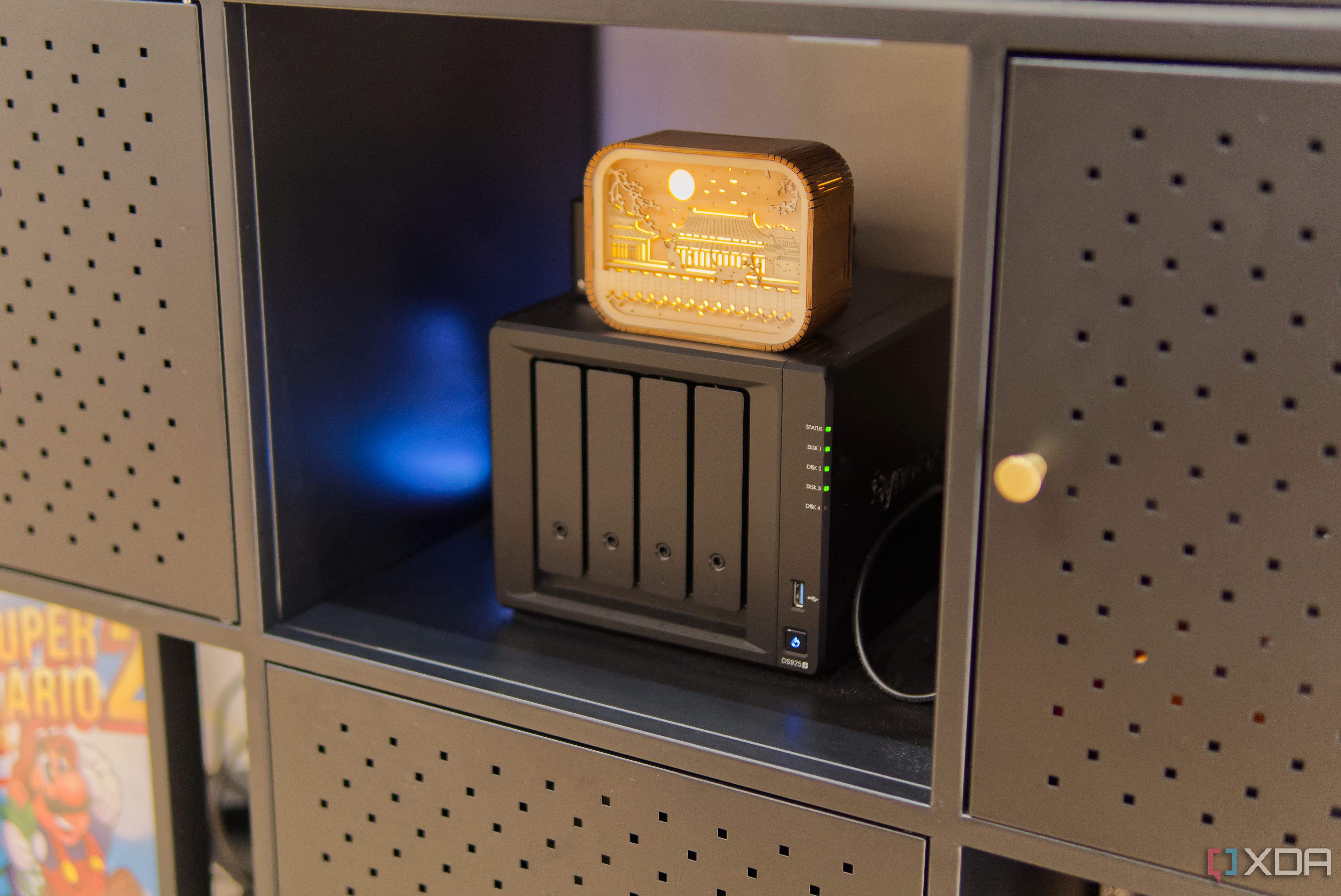
I never imagined that a NAS would prove to be a more cost-effective solution than cloud storage until I calculated the total expenses. Initially, my media server was a Lenovo Legion 5 Pro laptop, which introduced me to the concept of network-attached storage. However, I had been the latter type of consumer, never having owned a NAS, paying for cloud storage instead.
Google, Apple, and Microsoft held my data, and the annual cost came to $279.75, with each plan adding up to that amount over time. This equated to more than a two-bay NAS, two drives, and a backup drive today, considering the increase in hard drive prices. From a customer experience standpoint, subscribing to services like Apple Pay, Microsoft, or Google, often leads to small, barely noticeable monthly charges.
These are conveniently hidden in our monthly statements, unlike a one-time upfront cost for a NAS. The cloud storage model works by providing a seamless user experience, while the NAS model requires upfront investment and careful consideration. Recently, Microsoft increased its 365 Personal plan from $69.99 to $99.99 last year, and Google reduced its AI plus plan from $7.99 to $4.99 a month, demonstrating the volatility of cloud pricing.
To compare fairly, I priced a NAS capable of storing 3.4TB of data, the UGREEN DXP2800, which costs $389.99 without drives. Adding two 4TB WD Red Plus drives in RAID 1 configuration adds about $390, bringing the total cost to roughly $972. Accounting for electricity usage, the running costs add only about $26 annually, leaving a $254 annual saving compared to cloud storage.
Over five years, the NAS setup saves about $1,398.75, with the hardware still owned at the end of that period, making it a more cost-effective option.
Rewritten by urgent.news; may contain errors — check the original.
Source: xda-developers.com