How Baghdad's takeover of Kurdistan oil can be detrimental for Iraq and the region
On Tuesday, Prime Minister Ali Al Zaidi ordered moving army units towards the Kurdistan region of Iraq, to assert federal control over its border crossings as well as oilfields under Kurdish security control in the disputed provinces. Mr Al Zaidi’s order, given ostensibly as part of his government’s anti-oil smuggling campaign, was met with unprecedented Kurdish unity as residents of the…
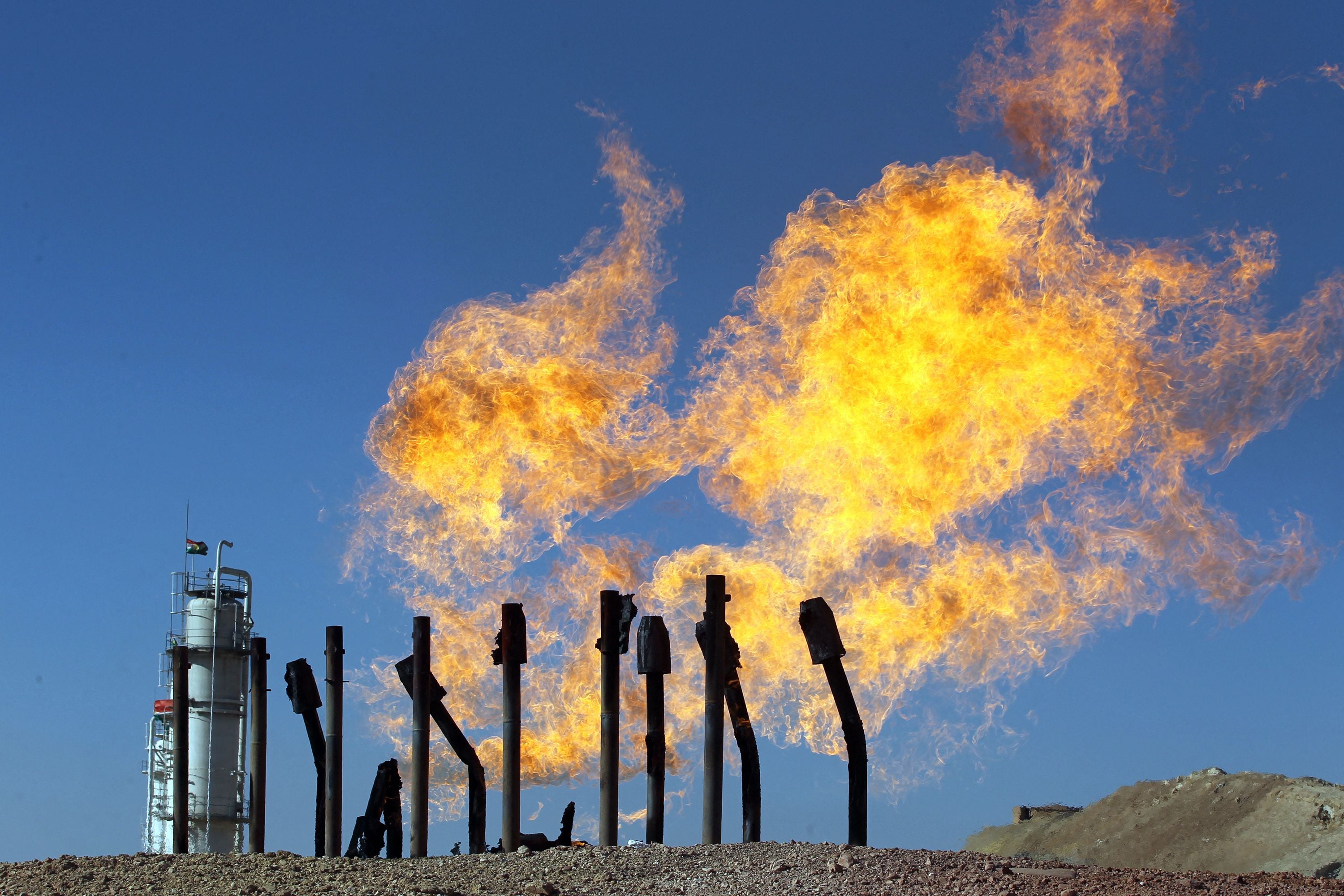
On Tuesday, Iraqi Prime Minister Ali Al Zaidi instructed military forces to move towards Kurdish regions of Iraq to assert federal control over border crossings and oilfields under Kurdish security. The order, ostensibly part of an anti-oil smuggling campaign, sparked widespread condemnation from Kurdish residents who viewed it as an attempt to undermine the post-2003 constitutional order.
With the US and coalition forces having completed their withdrawal from Erbil in September, the situation has taken on greater significance for Iraqi Kurds. Some fear the move could lead to Shiite majoritarian authoritarianism and even civil war, with potential repercussions for Iraq's allies in the Gulf and in Washington. While Al Zaidi has taken action against Iran-backed militia group Kataib Hezbollah's alleged smuggling activities, he should exercise caution not to equate Kurdistan's oil trade with these alleged thefts.
Iraq's 2005 Constitution recognizes Kurdistan as a federal region, protecting its legislative, executive, and judicial powers outside Baghdad's jurisdiction, while granting the federal government authority over national security and customs policy. The balance between these powers has helped prevent the resurgence of central autocracy, stemming from Kurdish fears of repression under Saddam Hussein.
However, the risk lies in the growing overlap between political office and armed power. The Co-ordination Framework, a dominant parliamentary alliance backing Al Zaidi, includes parties linked to Iran-aligned factions within the Popular Mobilisation Forces. The current situation is a manifestation of the governing coalition attempting to convert parliamentary dominance into lasting institutional control.
This overreach comes at a time when federal courts have already curtailed Erbil's authority, ruling the Kurdistan Oil and Gas Law unconstitutional and ordering the transfer of revenues to the federal treasury. Military coercion, in addition to judicial and fiscal pressure, would make the existing imbalance irreversible. Kurdistan's leadership, though imperfect and often divided, must be preserved as the strongest regional counterweight to the center.
Baghdad's latest action appears to have temporarily bridged Kurdish divisions, with both the Kurdistan Democratic Party and Patriotic Union of Kurdistan condemning the unilateral measures. For Gulf states, the crisis poses a practical security concern, as the relative stability in Kurdistan enabled Erbil to attract foreign capital and build energy infrastructure now vulnerable to attacks.
A violent confrontation would place critical assets and future investments at risk and harm trust needed for trade and transport links connecting Iraq to its Arab neighbors.
Rewritten by urgent.news; may contain errors — check the original.
Source: thenationalnews.com
This story
This is one outlet's version. Read the fullest account.