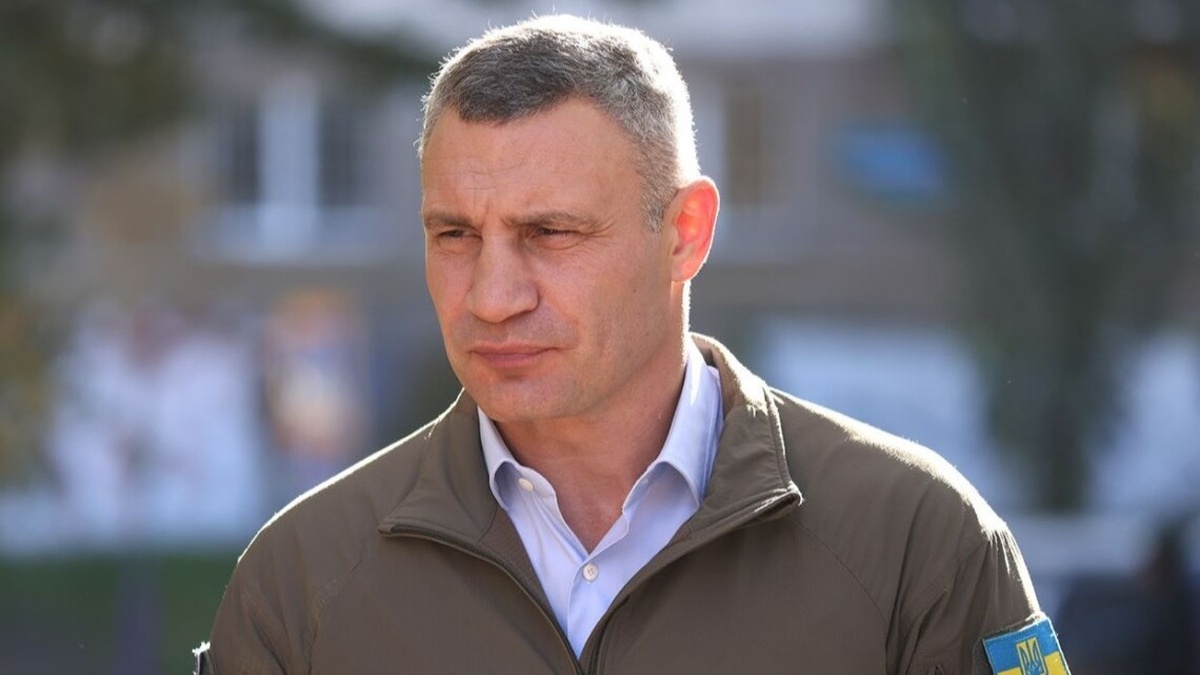
Hernández de Cos se convertirá en febrero en el primer español en presidir el BCE
El exgobernador del Banco de España relevará a Lagarde al frente de la autoridad monetaria europea tras obtener el apoyo de Francia y Alemania
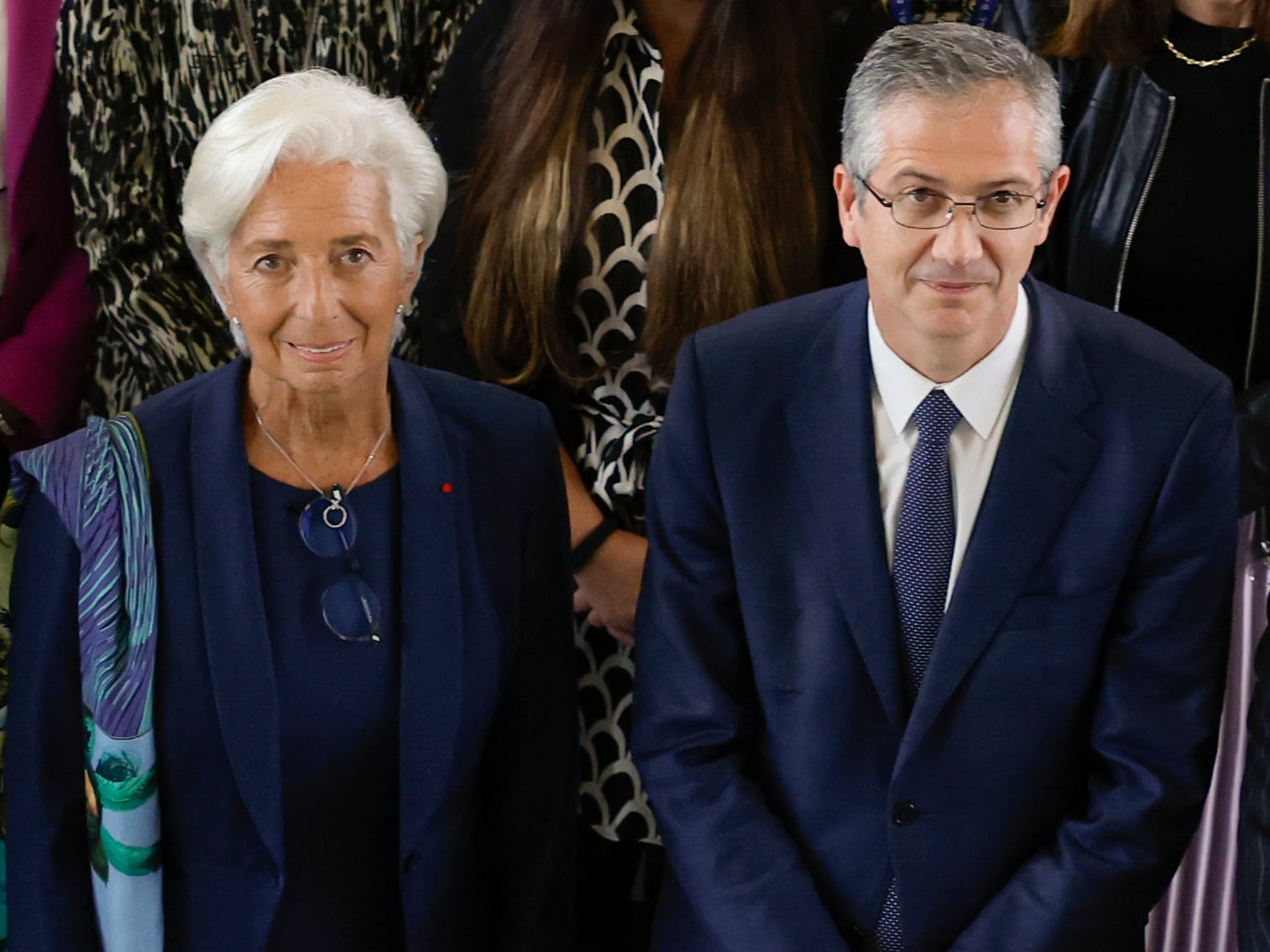
The negotiations to finalize the European Central Bank (ECB) presidency are at a critical juncture. European Union leaders have gathered in Brussels with the aim of determining who will occupy the institution's top position. The primary frontrunner is Spanish Pablo Hernández de Cos, who has garnered essential support from Germany and France.
However, the Netherlands, represented by Klaas Knot, remains resistant to accepting defeat. Diplomatic sources in Brussels suggest that the Netherlands has the right to maintain its candidate while believing there are still options. The Spanish president, Pedro Sánchez, will not participate in the summit due to his ongoing election campaign and has delegated representation to French President Emmanuel Macron.
Nevertheless, Spanish sources express confidence that the decision is practically settled in favor of Hernández de Cos. The EU aims to close the agreement comprehensively, covering not only the presidency of the ECB but also two other key seats on the bank's executive committee. The French and German leaders have agreed upon this following a pact that also includes Hernández de Cos.
The Dutch candidate, Laurence Boone, would replace Isabel Schnabel in charge of market operations, while German economist Markus R. Brunnermeier would take over as chief economist, replacing Philip Lane. However, this pact excludes the Dutch candidate. Both the Netherlands and Germany, which tend to have more orthodox monetary policies, might have led the Dutch government to consider Knot as the preferred candidate due to German support.
However, the Franco-German agreement introduces uncertainty to this calculation. There are additional factors influencing the Netherlands' stance, such as concerns that Hernández de Cos' presidency could see four consecutive leaders from southern countries, following Jean-Claude Trichet (French), Mario Draghi (Italian), and Christine Lagarde (French).
The ECB was established in 1998, with its first president being a Dutchman, Wim Duisenberg, who held the office for five years. This position held by the Netherlands is based on the belief that the ECB should have a debate on leadership and even consider candidates in the European Council before making a final decision at the next summit in December.
On the other hand, Portuguese Council President António Costa believes the decision should be made on Thursday. The council will first address this topic in the "Euro summit" where the leaders of the monetary area will be present. Following this, a candidate will be selected for each position, and their opinion will be sought by the European Parliament and the ECB, as it is a mandatory step in such appointments.
The formal ratification of the designation will take place at the European Council in December. This tight schedule is urgent as the current ECB executive committee members will leave by January 4, with Boone replacing Schnabel, and the presidency will change next February when Lagarde announces her departure. Meanwhile, Lane's replacement will occur by May, but to facilitate renewal and the pact between countries, it is being treated as a combined package of three positions - half of the six executive committee members.
This allows France and Germany, the largest countries in the eurozone, to secure their positions on the committee, a tradition that remains unwritten since the bank's creation in Frankfurt. The renewal of committee positions and the upcoming EU budget are the ECB's primary focus this Thursday when leaders discuss it. In addition, the European Council plans to continue its long discussion on the EU's 2028-2034 budget.
This extraordinary meeting aims to advance the agreement on the Union's accounts before the year ends. The objective is not to reach an immediate consensus, but rather to set the stage for the December summit where a significant financial framework is to be agreed upon. The differences among member states in this matter remain considerable, particularly concerning the budget's size.
Rewritten by urgent.news; may contain errors — check the original.
Sources: elpais.com · derstandard.at
This story
This is one outlet's version. Read the fullest account.