Hanson turns parliament killing season into hiring season
For the second year in a row, One Nation leader Pauline Hanson has used the end of the federal parliament sitting calendar to announce a new recruit to her ranks.
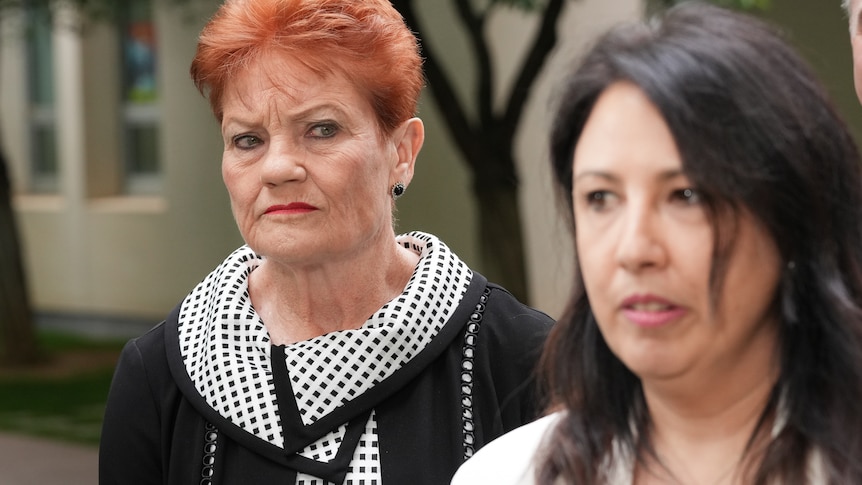
For the second consecutive year, One Nation leader Pauline Hanson has transformed the traditional "killing season" in Australian politics into a "hiring season". By announcing the appointment of a new member to her party, she has dealt a significant blow to the Opposition leader and bolstered her own party's momentum. The defection of South Australian Senator Leah Blyth from the Liberal Party to One Nation has disrupted what was shaping up to be a positive conclusion to a challenging political year for the Coalition.
The end of the federal parliament sitting calendar has historically been a perilous time for a political leader under pressure, as colleagues collectively decide whether to support their leader or seek a fresh perspective. However, Senator Leah Blyth's decision to join One Nation, following in the footsteps of Barnaby Joyce just a year prior, has established a new tradition for Hanson.
Earlier this year, it would have been reasonable to expect the threat of the "killing season" looming over Opposition leader Angus Taylor, with some colleagues questioning the Coalition's ability to recover under his leadership. Nevertheless, Taylor entered this sitting period with renewed determination, as the Coalition had begun to gain ground in the polls, and Taylor even surpassed his predecessor, Sussan Ley, in terms of popularity.
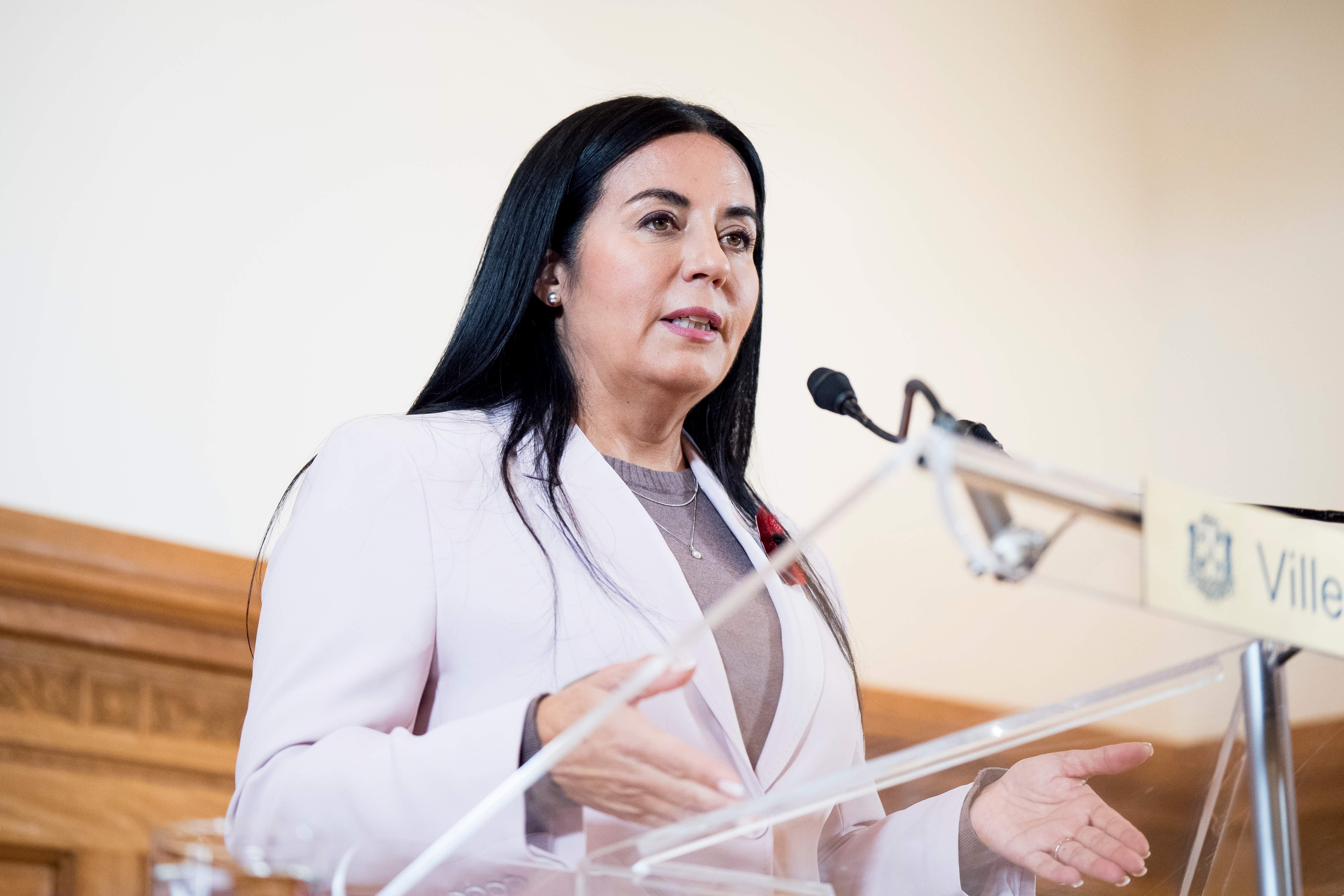
Following the defection, Taylor found himself a member of his own party room losing a colleague to his rival. In a dramatic move, Hanson announced the news of Blyth's defection, posting a video online of herself cooking a steak in a sandwich press. While sharing culinary choices may be a minor similarity between Blyth and Joyce, their motivations for leaving the Liberal Party differ.
Blyth framed her defection as a matter of values, despite struggling to pinpoint a specific policy decision that led her to leave the Liberal Party. In contrast, Joyce's departure was primarily driven by personal grievances, such as being denied a spot on the frontbench and wanting more influence in the Coalition party room. Despite the secrecy surrounding Blyth's decision, her staff reportedly learned of the defection while enjoying a Christmas party.
Blyth's political career, which began with a casual vacancy less than two years ago, has been closely tied to factional battles within the South Australian Liberal Party. The deterioration of her relationship with party president Alex Antic has contributed to her decision to defect. Blyth herself expressed her concerns about feeling unsafe in the Liberal Party, citing the hiring of security guards to accompany her to a state annual general meeting.
Although the distinction between her decision and Joyce's was not substantial, Blyth emphasized her disappointment with the Coalition's compromise on climate policy, as they remained in the Paris Agreement while rejecting their previous commitment to net zero. When asked to identify another instance in which her values were compromised, Blyth mentioned the lack of debate over legislation granting the defence minister sweeping powers to designate areas for defence purposes.
However, it is worth noting that One Nation also voted in favor of that bill. Blyth's explanation revealed her frustration with having to accommodate the views of moderates within the Liberal Party room, even when the Conservative majority prevailed. The Liberal Party has long prided itself as a "broad church" that encourages internal debate, unlike the strict caucus solidarity rules of the Labor Party.
Blyth's decision reflects the broader challenge of political polarization, where individuals find it increasingly difficult to participate in meaningful discussions. In seizing national headlines and creating headaches for the Coalition, Hanson has ensured Coalition MPs will face the potential threat of One Nation not only to their electoral prospects but also to the cohesion within their ranks.
This marks the second consecutive year in which Hanson has made a significant political impact, solidifying One Nation's electoral appeal and testing their prospects in Victoria, where the party's chances of gaining seats in the upper house appear more promising than in the lower house. While Hanson's recruitment of Blyth has been a political win for her party, it remains unclear whether the politicians she attracts gain as much from the arrangement as she does.
Rewritten by urgent.news; may contain errors — check the original.
Source: abc.net.au