Gipfel in Brüssel: EU-Haushalt: Merz dringt auf weitere Kürzung
Um 204 Milliarden Euro ist der EU-Haushaltsentwurf bereits gekürzt worden. Dem Kanzler reicht das nicht aus. Er verknüpft die schwierigen Verhandlungen weiter mit einem anderen Thema.
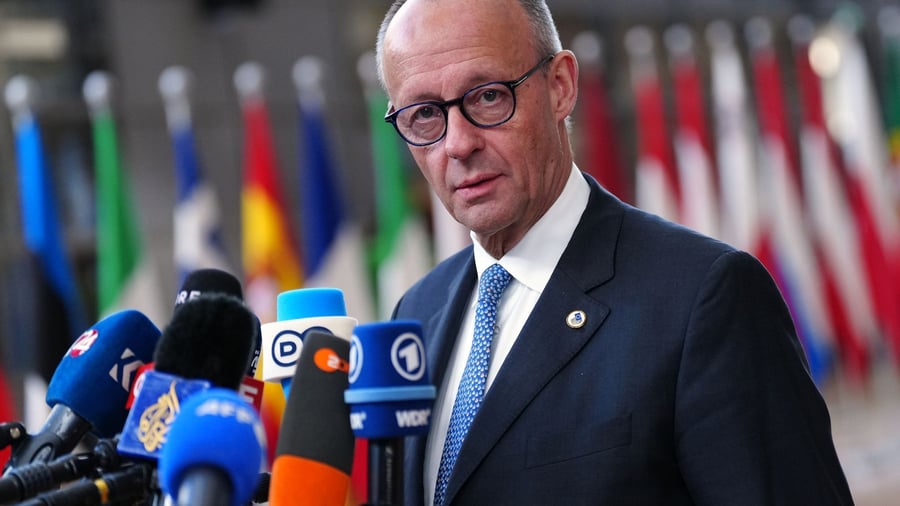
EU leaders convened an emergency summit in Brussels to discuss a recent compromise proposal for the upcoming long-term EU budget. The CDU leader, Friedrich Merz, threatened to block budget talks unless new funding for Ukraine is agreed upon by all member states. EU President António Costa presented a revised plan for the 2028-2034 budget, which calls for around 204 billion euros less than previously planned by the European Commission.
The next long-term EU budget would total around 1.781 trillion euros in absolute terms, but national contributions would barely increase based on economic output. The EU countries aim to reach a compromise by the end of the year, but a deal is expected only at the regular December summit of EU leaders. Germany and similarly-minded net contributors like the Netherlands, Sweden, Finland, and Austria demand significant budget cuts, as they are net contributors to the EU budget, receiving more than they pay in.
A large group of countries, primarily in Southern and Eastern Europe, who receive substantial EU aid for structurally weak regions and agriculture, oppose cuts. Federal Development Minister Reem Alabali Radovan criticized the proposal for cutting disproportionately in international cooperation, calling it a threat to EU security and prosperity.
Austrian Minister of Economics Claudia Bauer criticized Costa for his role in the budget negotiations and called for Costa to take net contributors' concerns seriously. France, the second-largest economy in the EU and a net contributor, wants to maintain existing income subsidies for farmers unchanged. The discussion on the distribution of budget cuts does not align with the German government's expectations, particularly for sectors like competitiveness, research, defense, foreign, and development policy.
The summit in Brussels may also cover the appointment of the next head of the European Central Bank, with Dutch politician Klaas Knot and Spaniard Pablo Hernández de Cos considered potential candidates, and German economist Markus Brunnermeier potentially becoming the ECB's new chief economist.
Rewritten by urgent.news; may contain errors — check the original.
Source: handelsblatt.com
This story
This is one outlet's version. Read the fullest account.