EU-Haushalt: EU-Sondergipfel zum Haushalt wird vorzeitig beendet
Verhärtete Fronten: Trotz verschiedener Konstellationen bei den Verhandlungen gibt es keine Fortschritte beim Streit um den nächsten EU‑Haushalt. Wie geht es nun weiter?
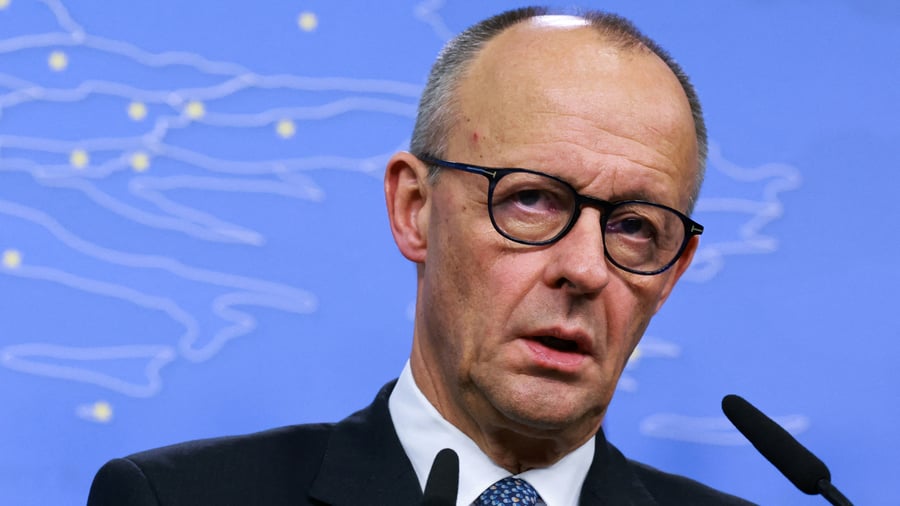
The EU summit aimed at concluding the next long-term Community budget has been prematurely ended in Brussels. Deutscher Bundeskanzler Friedrich Merz stated at a press conference that "we know we will not reach a result tonight" and that the meeting would resume the following morning, concluding at midnight. Merz emphasized the significant differences in views on how to structure the budget for the period from 2028 to the end of 2034.
The summit was scheduled for two days by President António Costa. Merz had previously agreed with the CDU/CSU faction in the Bundestag that he might not be able to participate in the vote on the federal budget in the Bundestag. However, he was able to attend after all. Several heads of state and government had clearly indicated that they would not back down from their positions.
Merz, along with the 'Sensible Seven' group, continued to advocate for a stringent austerity path. Despite recent proposals by EU-Rat President António Costa to cut the total amount of 1.78 trillion euros, Merz highlighted that "Europe needs solid finances." Merz had previously met with like-minded colleagues from net contributor countries such as the Netherlands, Austria, Sweden, Finland, Denmark, and Belgium.
This group, known as the 'Sensible Seven', aims to make it clear that a budget that they consider too large is unreasonable. Opposing this group is a large number of countries that do not want further cuts and defend high EU spending for structurally weak regions and agriculture. Many of these countries, mainly in Southern and Eastern Europe, are net beneficiaries of the EU budget.
Criticism also comes from countries like France and Italy, which are net contributors but want to avoid losses for their farmers and regions. It has been stated that they are not ready to sign a budget in which they contribute more for less in return. The differences between the very different camps have not yet been narrowed down significantly.
EU-Rat President António Costa tried to reduce the differences in a so-called "confessional" procedure through confidential talks with individual interest groups to assess their willingness to compromise. However, there is no discernible movement in the impasse at this stage. It is expected that negotiations in the following week will continue in the December summit, aiming to reach an agreement in time for implementation.
If this summit also fails, France had threatened that negotiations would resume only after the French presidential election in April, which could be won by the EU-critical nationalist Marine Le Pen, further complicating any agreement.
Rewritten by urgent.news; may contain errors — check the original.
Sources: nzz.ch · handelsblatt.com
This story
This is one outlet's version. Read the fullest account.