El calor extremo de 2023 y 2024 secó el planeta; estudio revela disminución "sin precedentes" del agua dulce en la Tierra
El calor extremo sufrido a escala mundial en 2023 y 2024 provocó una disminución sin precedentes del agua dulce del planeta: los caudales de los ríos disminuyeron un 5.7% y el almacenamiento en lagos y embalses se redujo casi un 9.5% respecto al promedio de 1991-2020, según un estudio. Los autores de esta investigación internacional, recogida este jueves en la revista Science , advierten de "la…
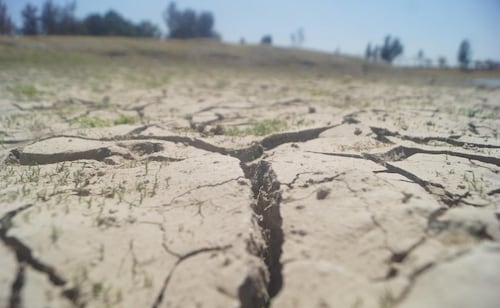
Extreme heat in 2023 and 2024 dried up the planet, a study shows a "unprecedented" drop in freshwater resources globally. River flows decreased by 5.7% and surface water storage fell nearly 9.5% compared to the 1991-2020 average, according to research published in the journal Science. International authors warn of the high vulnerability of water resources to global warming, even in humid regions.
Extreme heat experienced in 2023 and 2024 (global average temperature rising above 1.5 degrees Celsius above pre-industrial levels) led to atmospheric droughts, river flow reductions, and widespread soil moisture depletion. Analysis of data from 150 major river basins and over 1.2 million water bodies between 1991 and 2025 reveals a 5.7% drop in river flows and a 9.5% decline in surface water storage.
The sharpest decline occurred in South America, where the El Niño phenomenon and warming of the tropical North Atlantic North contributed to a 4.2% reduction in flows. The Amazon and La Plata basins recorded their lowest flows in four decades, as did other regions. More rain does not mean more available water, the study highlights.
Precipitation distribution favored ocean regions at the expense of continental areas. While the study focuses on surface water, understanding the previous evolution of groundwater reserves could help interpret the intensity of surface water reductions, notes Antonio Collados, a senior scientist at the Spanish Geological and Mining Institute (IGME-CSIC).
Groundwater systems can act as strategic reserves, mitigating the effects of droughts, so a prior reduction in groundwater storage could have amplified impacts during these exceptionally hot years. While climate science has long predicted global warming would intensify the water cycle, producing more intense rainfall in humid regions and greater evaporation during droughts, real-world observations reveal a more complex picture.
Rewritten by urgent.news; may contain errors — check the original.
Source: eluniversal.com.mx