EACC unveils plan to expose integrity gaps among 2027 election hopefuls
NAIROBI, Kenya, Nov 26 – The Ethics and Anti-Corruption Commission (EACC) will establish a mechanism to share information with the media on the integrity and suitability of candidates seeking elective…
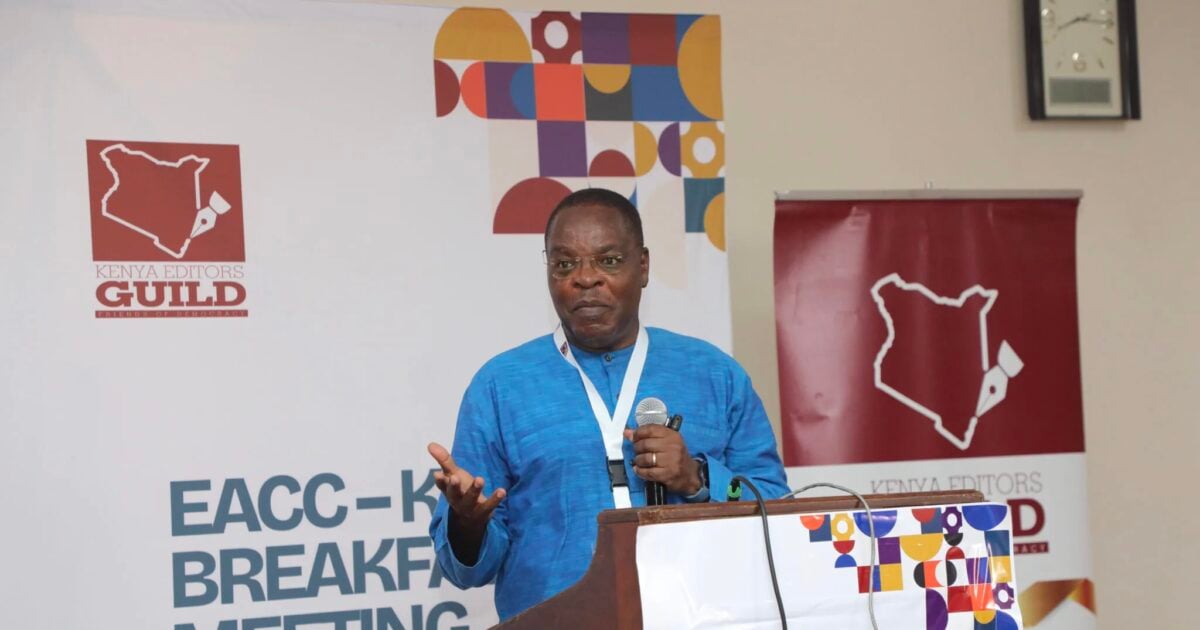
The Ethics and Anti-Corruption Commission (EACC) in Kenya is set to implement a new program aimed at providing the media with information about the integrity and qualifications of candidates running for public office in the 2027 General Election. EACC Chairperson David Oginde announced this initiative during the 9th Annual Editors Convention in Mombasa, emphasizing that it would enable journalists to thoroughly examine the backgrounds and conduct of political aspirants.
This move aims to empower voters to make informed decisions based on factual information rather than just campaign promises and political alliances.
Oginde urged newsrooms to prioritize the issue of integrity in their election coverage, warning that the quality of future leadership would largely depend on the information available to the electorate. The Commission is seeking a partnership with the media to facilitate independent scrutiny of public institutions and expose any lapses in conduct that violate legal and ethical standards.
Oginde highlighted the use of fabricated academic and professional credentials as a serious integrity concern, cautioning that individuals who resort to such deception raise doubts about their trustworthiness.
The EACC chairperson also criticized the practice of voter bribery, stating that it compromises citizens' ability to choose their leaders freely, transforming elections into a financial transaction. He assured that the Commission would intensify its efforts to detect and investigate electoral bribery, with the evidence potentially being used in the resolution of election disputes.
Oginde cautioned public officers against misusing government resources, such as vehicles and funds, for political gain, and warned that such actions could disqualify them from running in elections.
Additionally, Oginde addressed the issue of violence and intimidation during political campaigns, urging politicians to refrain from sponsoring such activities and calling for law enforcement agencies to take action against perpetrators. He cautioned media organizations against providing unchallenged platforms for inflammatory political statements, emphasizing the importance of responsible reporting that prioritizes facts, evidence, and public interest.
Oginde stressed that the media's role should include critical examination of corruption cases, unexplained wealth, and questionable public expenditures, while distinguishing between allegations, ongoing investigations, and proven wrongdoing to protect the public's right to information and the rights of individuals under scrutiny.
Rewritten by urgent.news; may contain errors — check the original.
Source: capitalfm.africa