DOST seeks more yarn facilities to support local weavers, farmers
GENERAL SANTOS CITY, Philippines — The Department of Science and Technology (DOST) is seeking to expand the country's yarn production through additional regional facilities and partnerships with private companies to strengthen the local textile industry. DOST Secretary Renato U. Solidum Jr. said that the department plans to establish two more Regional Yarn Production and Innovation Centers next…
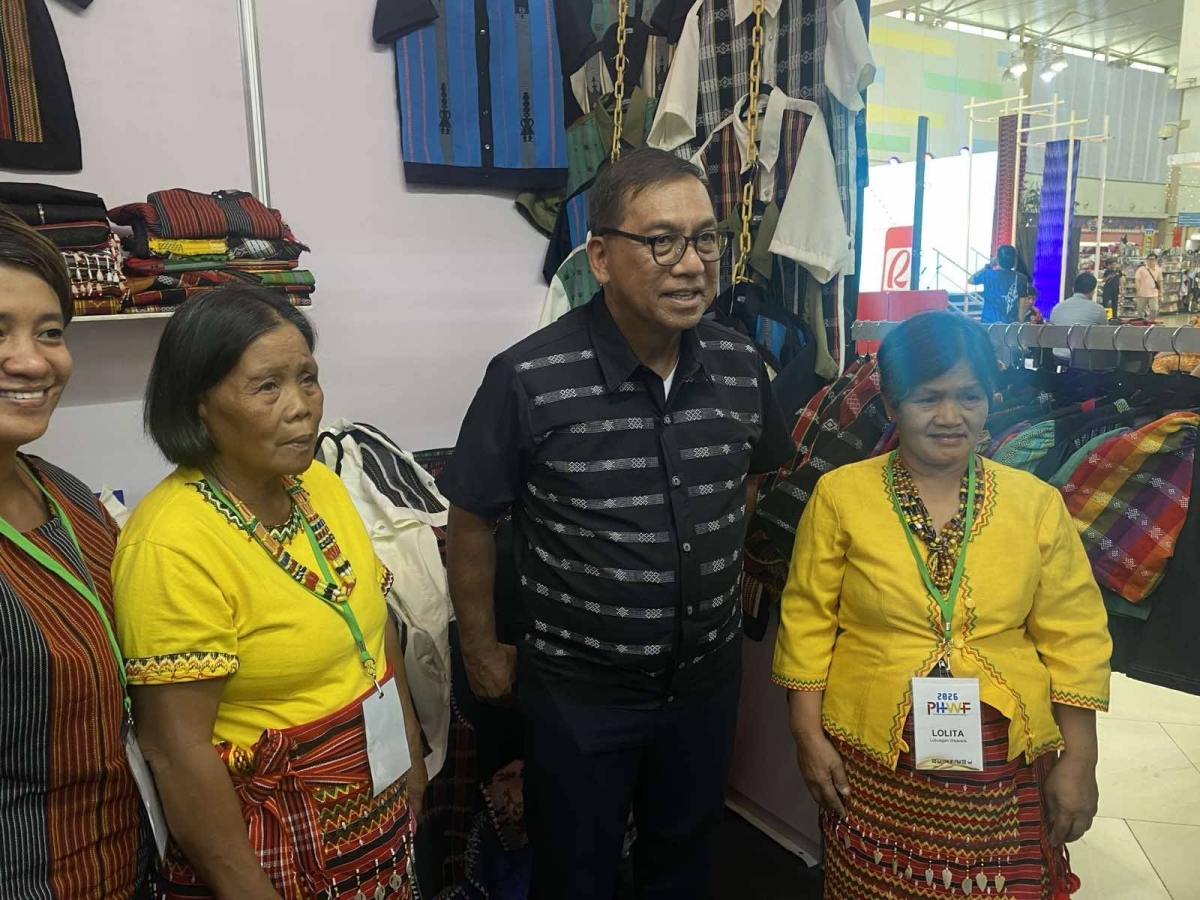
The Department of Science and Technology (DOST) in the Philippines is seeking to bolster the local textile industry by establishing more regional yarn production centers and partnering with private companies. DOST Secretary Renato U. Solidum Jr. announced plans to set up two additional Regional Yarn Production and Innovation Centers next year, alongside encouraging private organizations to invest in larger yarn production facilities across the country.
Solidum emphasized the importance of private sector involvement in the operations of these centers, stating that the government's role is to facilitate while the private sector should take the lead in actual operations. The expansion aims to enhance local fabric production, provide weavers with better access to materials and equipment, and create new livelihood opportunities for farmers.
The DOST is also establishing innovation hubs through the Philippine Textile Research Institute to develop fibers from unconventional sources such as bamboo, pineapple, banana pseudostems, and abaca. The department is working to further develop the silk industry as well. Solidum addressed concerns about the potential impact of El Niño on fiber supply, stating that the government would monitor cotton supply but also noted the potential for converting agricultural waste materials into fibers.
Regarding the sufficiency of the fiber supply in 2027, Solidum acknowledged that a comprehensive assessment is necessary, but he emphasized the availability of waste materials that can be converted into fibers. The government is also actively supporting weaving communities, including those in areas affected by conflict, by providing training in weaving techniques and the use of locally available fibers for clothing production.
Rewritten by urgent.news; may contain errors — check the original.
Source: manilatimes.net