Commentary: Black Friday is here, but what’s behind our need to chase bargains?
Black Friday should not simply be about how much money we are saving or how much temporary joy our purchases might bring us, says a consumer behaviour expert.
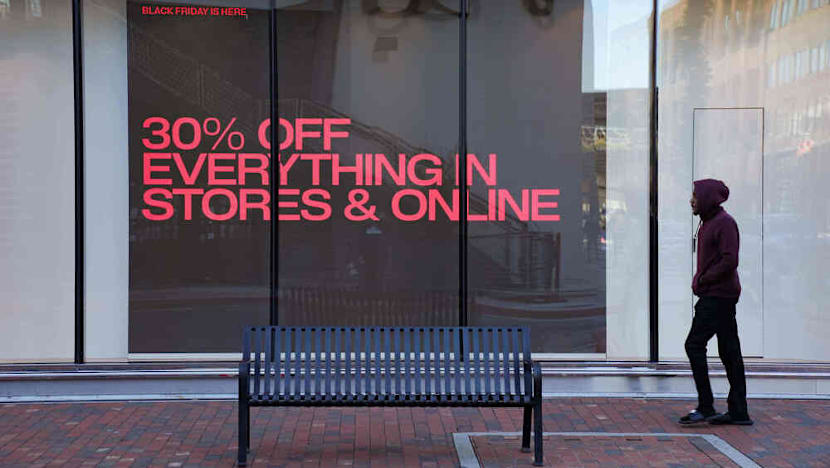
Black Friday, a highly successful US retail strategy, has now become a global phenomenon. Despite the hype and occasional fights over electronics, many shoppers still participate in the event. Consumer experts suggest that the appeal lies in various marketing tricks and psychological drivers that push people to make purchases during this sale.
One such trick is offering limited-time deals, which increase shoppers' intention to buy. The fear of missing out on a bargain can also drive people to make a purchase, as well as the regret they may feel if they don't buy the item.
Psychologists have found that prices have a significant impact on our perception of value. When a deal is presented as a "Was £100 (US$131)! Now £60!" it feels like a £40 saving rather than a £60 expense, even if the item was never worth £100 in the first place. Shopping can also provide a mood boost, especially during the winter blues, and offer temporary feelings of personal control and accomplishment.
Additionally, buying things at a discount can make us feel good about ourselves and demonstrate competence and financial management to others. However, engaging in Black Friday for social approval or to fit in with others does not necessarily contribute to our long-term well-being and might even be detrimental to our relationships.
Rewritten by urgent.news; may contain errors — check the original.
Sources: smh.com.au · theage.com.au · channelnewsasia.com
This story
This is one outlet's version. Read the fullest account.
- Commentary: Black Friday is here, but what’s behind our need to chase bargains? channelnewsasia.com
- Australians eye Black Friday bargains theage.com.au
- Australians eye Black Friday bargains smh.com.au