Colombia Joins Initiative to Prevent Plastic from Reaching the Oceans Through Rivers
The international organization The Ocean Cleanup has begun working in Colombia with projects in the Caribbean cities of Santa Marta, Cartagena, and Barranquilla. These cities, the capitals of the departments of Magdalena, Bolivar, and Atlantico, respectively, are in the technical assessment and planning phase. In this way, Colombia became the first country in South America, […]
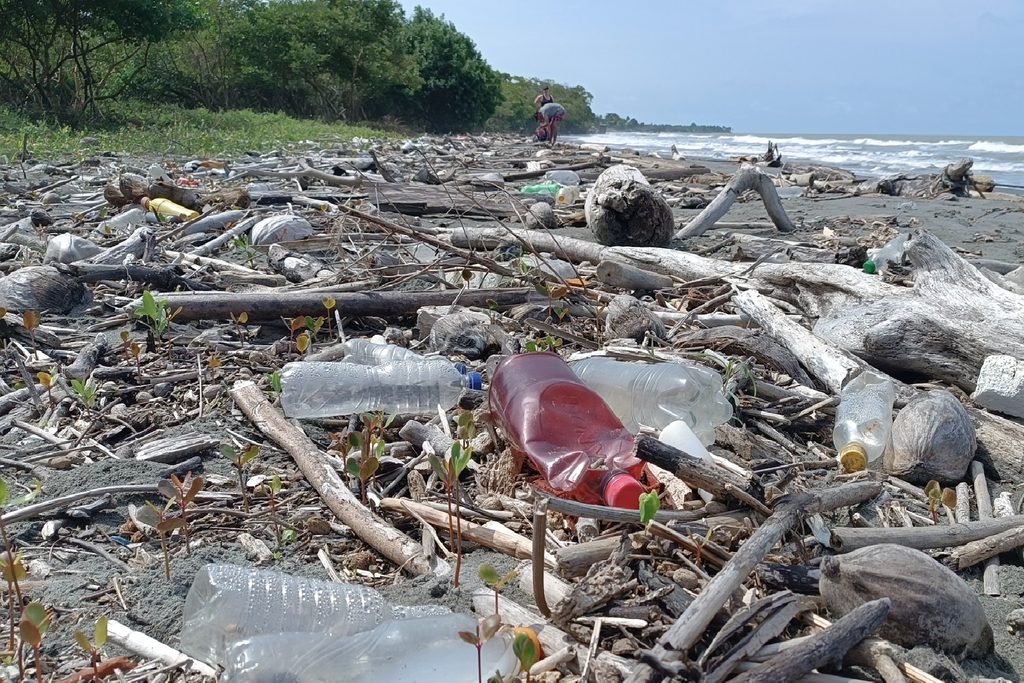
Colombia has joined an international effort to prevent plastic waste from entering the oceans via rivers. The country, which ranks among the top 30 contributors to ocean plastic pollution, produces over 47,000 tons of plastic waste along its coasts. The Ocean Cleanup, an international organization, began working in three Colombian coastal cities: Santa Marta, Cartagena, and Barranquilla.
These cities, capitals of the departments of Magdalena, Bolivar, and Atlantico, are currently in the technical assessment and planning phase.
In Santa Marta, the organization collaborates with the District Mayor’s Office and waste picker associations to install capture systems in the Manzanares and Gaira rivers. Cartagena’s project involves the Environmental Public Establishment, with technical assessments of over ten urban canals flowing into the Cienaga de la Virgen basin.
Barranquilla partners with the District Mayor’s Office to install systems in the Magdalena River’s lower basin and the Leon stream, aimed at protecting the Cienaga de Mallorquin, its mangroves, and the Puerto Mocho ecosystem.
Boyan Slat, the founder and CEO of The Ocean Cleanup, emphasized that the initiative aims to intercept waste before it reaches the ocean, aligning with Colombia’s unique environmental needs. The project is part of The Ocean Cleanup’s 30 Cities Program, targeting 30 priority cities in Asia and the Americas to capture one-third of global plastic emissions from river basins into the oceans by the end of the decade.
The organization currently operates 25 Interceptor solutions in Asia and the Americas, with Interceptors combining floating barriers and vessels that use water currents to direct waste toward a solar-powered conveyor belt.
Colombia, along with other countries, faces significant plastic pollution, with an average of 2,014 pieces of litter per kilometer of Caribbean coastline. This waste poses threats to marine life, including turtles, birds, mangroves, and coral reefs, as well as local communities reliant on fishing and tourism. The Ocean Cleanup aims to remove over 64 million kilograms of waste globally and reduce floating plastic in the oceans by 90% by 2040.
The initiative focuses on the source of much of the waste, such as canals, streams, and rivers, which often serve as informal dumping grounds. The organization acknowledges that technology alone is insufficient and plans to strengthen waste collection on land, work with waste pickers and residents near rivers, and provide environmental education.
Rewritten by urgent.news; may contain errors — check the original.
Source: colombiaone.com