Chang'e-6 Samples Reveal the Violent Chain Reaction That Built the Moon’s Largest Crater
One of the most prominent features on the Moon is one we can’t regularly see, at least not completely. The South Pole-Aitken (SPA) basin is one of the largest, oldest, and deepest impact craters on the Moon, and until recently we’ve only been able to observe it from afar - and even then only when we sent orbiters around to the far side, which is never in direct line of sight with the Earth.…
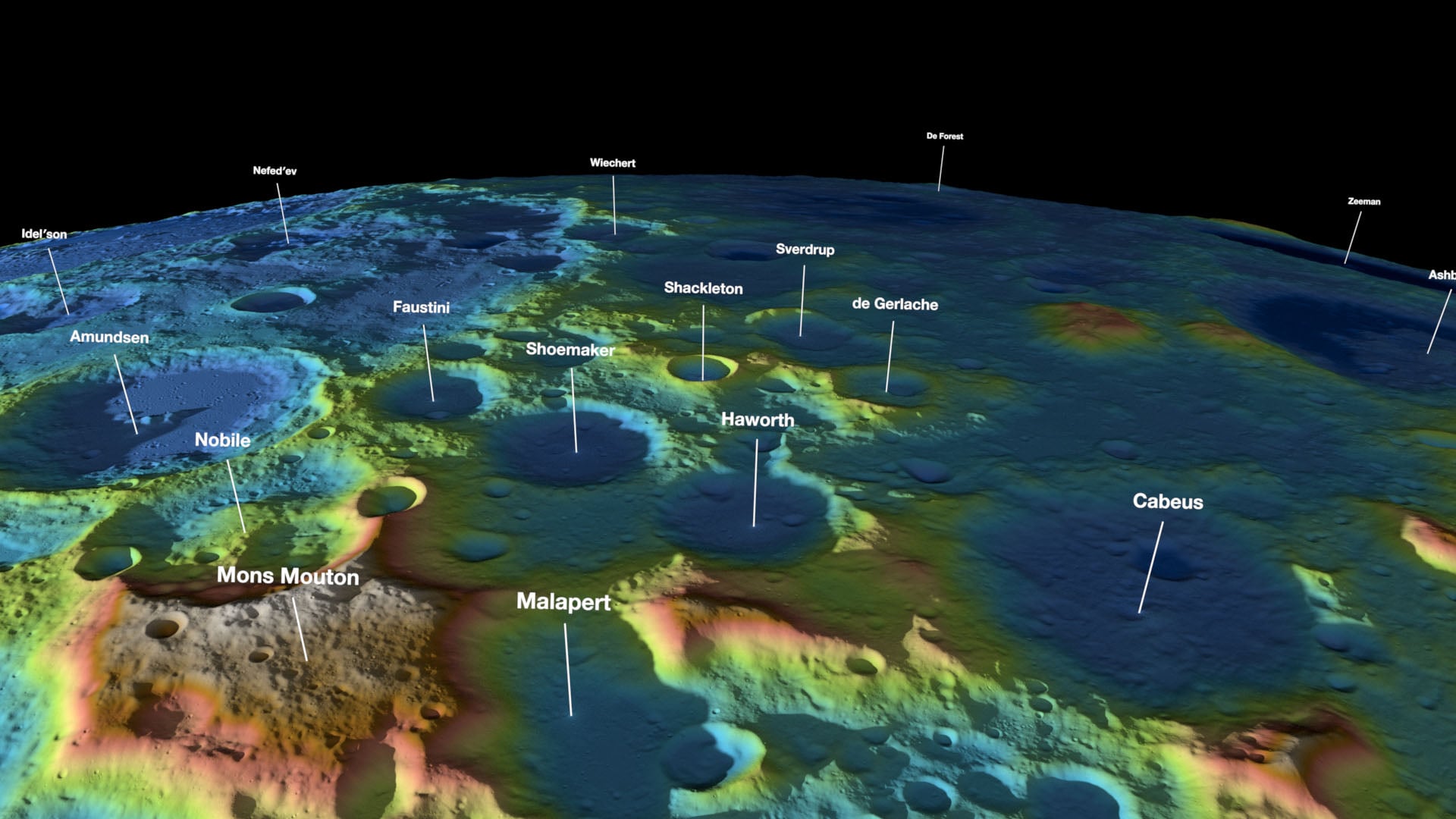
A major paper published in Science Advances reveals the violent history that shaped the Moon's largest crater, the South Pole-Aitken (SPA) basin. Scientists from China analyzed Chang'e-6 moon rocks, combined with data from Chang'e-4's rover, to reconstruct the early impact history of the lunar far side. The SPA, roughly 2,200 kilometers wide and up to 10 kilometers deep, formed around 4.34 billion years ago following a colossal ancient collision that exposed underground rock buried since the Moon's formation.
The SPA basin contains various smaller craters, including the Von Kármán crater and the Apollo basin, each created by separate impacts. The heavier magnesium-rich igneous rocks found in Von Kármán crater and Apollo basin were formed by a process called magnesium-suite magmatism, where magma from the Moon's interior cooled underneath the crust's top layer.
Later impacts, such as Finsen and Chaffee S, pushed these cooled materials up into the peaks of new craters. By studying these samples and impacts, researchers can estimate when there were major swarms of asteroids impacting the inner solar system, potentially offering insights into the path of the giant planets during their early orbital history.
The SPA's ancient crust fragments, waiting billions of years for discovery, present a unique opportunity for future crewed missions to study the Moon's violent past.
Rewritten by urgent.news; may contain errors — check the original.
Source: universetoday.com