Black Friday? No thanks, some brands say
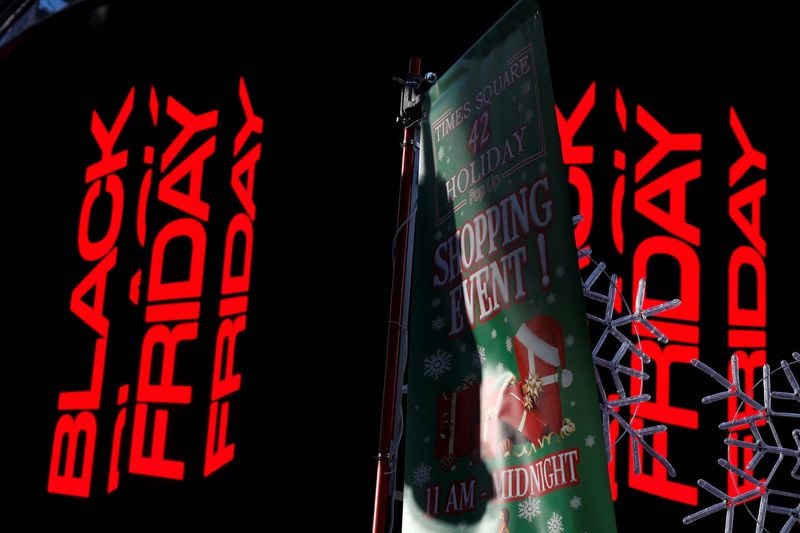
While many brands are offering heavy Black Friday discounts to attract customers, some are choosing to abstain for various reasons. These holdouts aim to safeguard their profits, promote sustainability, or simply differentiate themselves from the crowd, hoping to connect with a growing number of consumers who are wary of constant promotions.
In Italy, fashion brand Pinko is for the first time skipping Black Friday this year, with chairman Pietro Negra stating that discounting can lead to a vicious cycle. Negra argues that not taking part in Black Friday is a way to cut off one small part of a larger problem, pointing to alternative promotions like family and friends discounts, private sales, and other events that encourage discounting.
Retailers worldwide have faced challenges this year due to the Iran war reigniting inflation and cash-strapped consumers needing substantial discounts to make a purchase. While giants like Amazon can afford to slash prices and dominate Black Friday traffic, smaller brands struggle with the discount frenzy, impacting their profitability and making shoppers less inclined to pay full price at other times.
Negra estimates that Pinko's exclusion from Black Friday will cost the brand around €2 million ($2.19 million) in revenue, but he believes the loss to profitability is relatively minor, with margin being his main concern. After years of high inflation, shoppers have become skeptical of retailers' pricing strategies and less likely to trust advertised discounts as real savings.
Jain, a partner at Simon-Kucher consultancy, notes that not participating in Black Friday may be risky in a competitive market, but it can also help brands gain visibility and build trust, especially among less price-sensitive consumers. Brands opting out are also trying to capture consumers' attention, even if it doesn't immediately translate into sales, by instilling a message or earning goodwill.
British outerwear brand Buffalo Systems opts out of Black Friday as a small UK-based business, while American outdoor retailer REI closes its stores on Black Friday to give employees a day off to spend time outdoors. The Ordinary, a skincare brand owned by beauty giant Estee Lauder, also shuts its stores for the day and organizes blood donation drives in New York and Toronto.
Amy Bi, senior vice president of global brand at The Ordinary, explains that impulse purchases during Black Friday often lead to customers buying products they don't need or that aren't suitable for their skin, so halting sales for a day encourages shoppers to "slow down." Smaller brands may find it harder to forgo the sales boost that Black Friday provides, so they are embracing a contrarian marketing approach to stand out.
UpCircle, a British beauty brand that uses coffee grounds, oat husks, and other food industry byproducts to create its creams and scrubs, runs its own Black Friday discounts while promoting its anti-waste philosophy on Instagram, criticizing overproduction and overconsumption using social media slang like "landfill maxxing." UpCircle founder Anna Brightman argues that Black Friday contradicts their brand values, being "the antithesis of everything we stand for when it comes to the associations with waste and mass consumption."
However, their anti-consumerist posts attract attention in a highly competitive market, and the 25% discount across the range helps attract new customers to try their products. In just three weeks around Black Friday, UpCircle generates 20% of its annual online sales.
Rewritten by urgent.news; may contain errors — check the original.
Source: investing.com