Anwar mulls special security policy briefing for MPs
KUALA LUMPUR: Prime Minister Datuk Seri Anwar Ibrahim is considering a special briefing for members of parliament on the National Security Policy (NSP) 2026–2030 by the home and defence ministers.
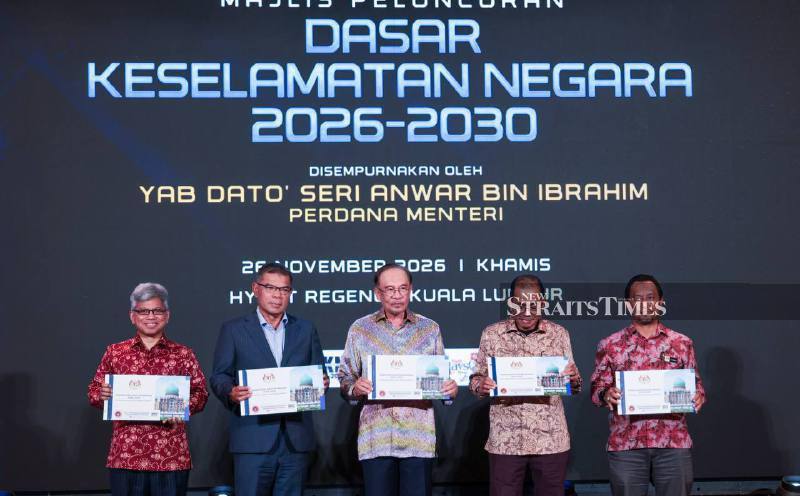
Prime Minister Anwar Ibrahim is contemplating a special security policy briefing for members of parliament, according to sources. The briefing, led by the home and defence ministers, aims to provide MPs with a comprehensive understanding of the National Security Policy (NSP) 2026-2030. The prime minister emphasized the importance of peace and national security, stating they are matters of survival and must be thoroughly understood by all committees, enforcement agencies, and the general public.
Anwar recalled the sacrifices made by the military and police in combating the communist terrorist threat and highlighted the ongoing need to protect the country's borders. He urged the public to recognize the significance of the policy, cautioning that leaders should not become overly complacent and assume no unforeseen events could occur.
Security agencies must exemplify integrity in their duties to ensure the policy's success, Anwar added, promising public confidence when agencies demonstrate courage in executing their responsibilities. The NSP 2026-2030, unveiled today, targets 10 strategic focus areas, converted into 30 strategies, to bolster Malaysia's resilience against complex threats, including both traditional and non-traditional dangers.
The 10 areas encompass sovereignty and territorial integrity, national cohesion, sociopolitical stability, effective governance, economic resilience, social justice, sustainable development, public safety, security diplomacy, regional cooperation, and cyber and technology security. National Security Council director-general Datuk Raja Nurshirwan Zainal Abidin stated that the policy would serve as the primary reference for determining national security's direction and priorities.
Abidin explained that the previous policy's 66 issues and challenges were streamlined into 53, and the number of strategies was reduced from 40 to 30 to better identify priorities and avoid redundancies.
Rewritten by urgent.news; may contain errors — check the original.
Source: nst.com.my