[國際] 美國收緊AI晶片管制 駐泰業者:部分投資案暫停、對前景仍樂觀
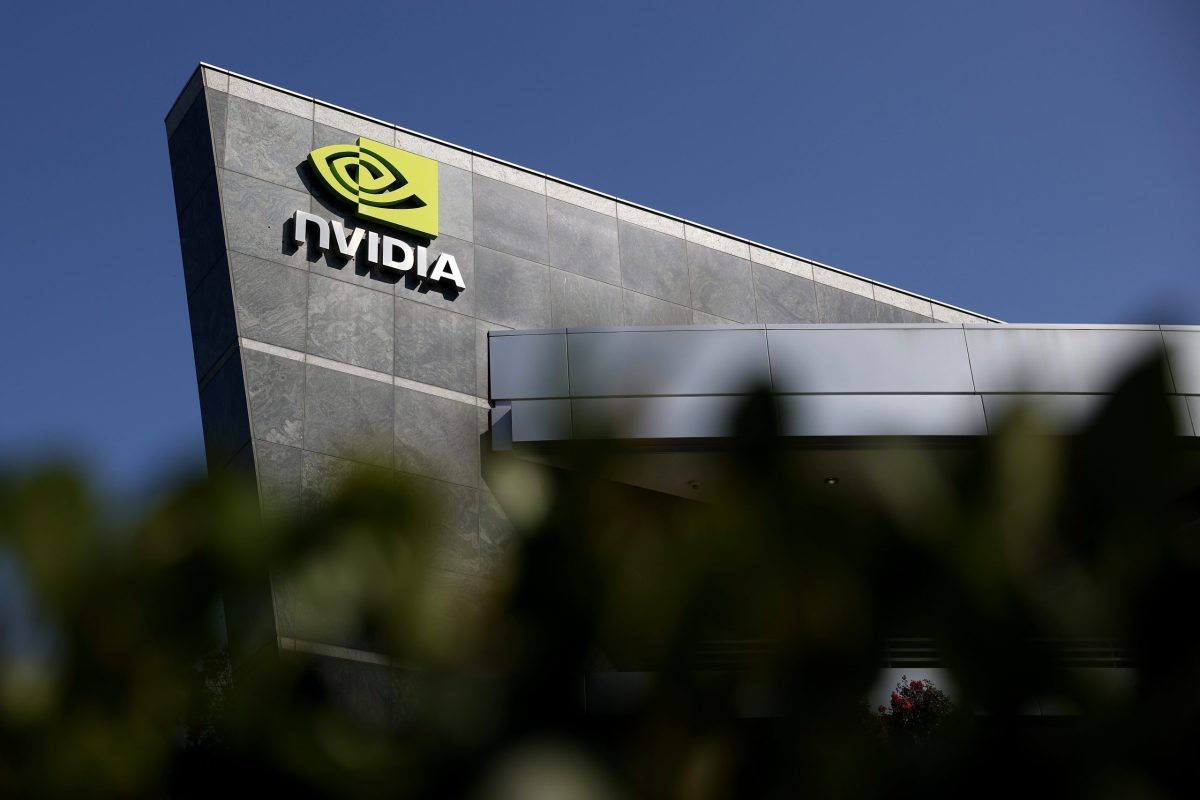
美國收緊先進AI晶片出口管制,泰國被列入新增的出口許可要求國家,使資料中心發展受關注。今天(26日)在「泰國雲端與資料中心大會」上,多數業者仍對泰國AI產業前景表示樂觀,但有業者透露,部分資料中心的潛在投資案已暫停。 中國與日本業者26日向中央社表示,相關措施已導致部分潛在投資案暫停,但仍認為,泰國具備電力供應及國際網路連線優勢,看好長期發展機會。 美國收緊AI先進晶片出口管制,商務部工業暨安全局(BIS)16日將泰國等國列入新增的出口許可要求國家。另外,美方23日再將Megaspeed列入實體清單(Entity List),其中包括總部位於曼谷的Megaspeed泰國公司。 26日在曼谷舉行的「泰國雲端與資料中心大會」(Thailand Cloud & Datacenter Convention),相關產業人士聚焦泰國發展AI資料中心及爭取成為東南亞AI運算中心的機會和挑戰。…
The United States has tightened regulations on advanced AI chips, adding Thailand to a list of countries requiring export licenses. This move has raised concerns about the development of data centers in the country. At the "Thailand Cloud & Datacenter Convention" in Bangkok on October 26th, most industry players remained optimistic about Thailand's AI industry prospects, but some disclosed that certain investment cases for data centers had been temporarily halted.
Chinese and Japanese companies informed Central News Agency (CNA) that the new measures have led to some potential investment cases being paused, but they still see long-term development opportunities in Thailand due to its abundant power supply and stable international network connections. On October 23rd, the United States added Megaspeed, a company headquartered in Bangkok, to its Entity List, which includes firms involved in the production of advanced computing products.
During the convention, regional business manager for CESE2 Thailand, Nguyen Zhaoli, noted that the Thai data center industry has been rapidly expanding in recent years due to Chinese investors, but the recent US regulations have impacted server supply. The lack of high-end chips has hindered the provision of sufficient computing power and the attraction of end customers to the region.
While some data center firms are considering asset sales, the absence of computing capabilities could lead to a situation where no one takes over. However, Nguyen is confident in Thailand's long-term prospects, citing its large population and growing demand for AI, as well as its relative stability in the Southeast Asian region.
Japanese telecommunications company KDDI's Telehouse Thailand, represented by Managing Director Ken Miyashita, took a different view, stating that the US tightening of AI chip export controls is unlikely to have a direct impact on Thailand's data center industry. He highlighted the country's strong international network connections via submarine cables and cross-sea land cables, which can link China and other ASEAN countries.
Miyashita believes that easing restrictions on cross-border network connections for telecom operators in Thailand could further enhance its role as a regional networking hub. Regarding the electricity requirements for AI data centers in Thailand, Miyashita stated that the country's current power capacity is sufficient for existing projects, and the national grid remains stable, making power supply a crucial factor in Thailand's AI data center development.
He also mentioned that one of the challenges in developing AI data centers in Thailand is coordinating between different government departments, with some investment cases gaining approval at the central government level but facing hurdles in local government approvals.
Rewritten by urgent.news; may contain errors — check the original.
Sources: rti.org.tw · hani.co.kr
This story
This is one outlet's version. Read the fullest account.