After Ayodhya, BJP Turns To Mathura: Will Krishna Become The Next Political Plank?
The politics of temples in Uttar Pradesh has never been confined to matters of faith. It has been equally about political mobilisation, identity, and the ability to transform religious symbolism into an electoral narrative. Ayodhya demonstrated how a temple movement could reshape the state's political landscape and help establish the BJP as a dominant political force. Now, with the Ram Temple…
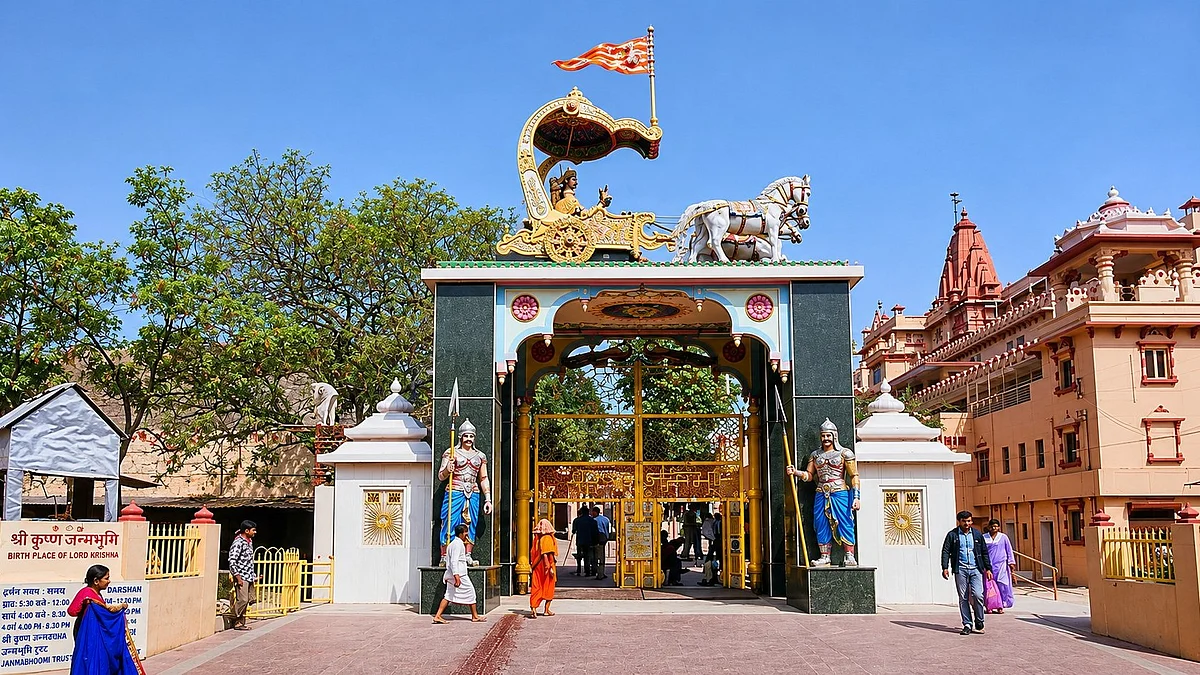
The BJP, after the Ayodhya temple movement, is now focusing on Mathura in its political strategy for the 2027 Assembly elections in Uttar Pradesh. Deputy Chief Minister Keshav Prasad Maurya declared, "Ayodhya hui hamari hai, ab Mathura ki baari hai," effectively handing over the religious-political narrative to Mathura. The party aims to establish Krishna Janmabhoomi as the new rallying point, inviting Samajwadi Party president Akhilesh Yadav to participate in the proposed temple construction.
The timing of this shift is significant, as the consecration of the Ram Temple in 2024 solidified the BJP's ideological and electoral mobilisation. However, the legal dispute over the Krishna Janmabhoomi and the Shahi Idgah mosque remains unresolved, making the BJP's strategy less about launching a mass movement and more about keeping the issue in public and political circulation.
The party's slogan, 'Radhe-Radhe, Kamal Khila De', blends religious language with its electoral symbol, aiming to appeal to a wider audience beyond the Yadav community. For Akhilesh Yadav, the situation poses a political dilemma. Endorsing the temple demand could alienate minorities, while rejecting it might portray the SP as uncomfortable with a religious issue that resonates with Hindu voters.
The BJP, therefore, must balance its governance record with the broader social coalition during the upcoming elections.
Rewritten by urgent.news; may contain errors — check the original.
Source: freepressjournal.in