A smart plug showed my home lab wasted a lot of power, and the worst offenders surprised me
I tested out a range of methods to effectively reduce it
A smart plug helped a reporter uncover unexpected power consumption in their always-on home lab. The lab used 12.1 kWh of electricity each week, totaling 630.7 kWh annually. At the U.S. average residential electricity price of 18.16 cents per kWh, this amounted to over $100 per year or around $9.50 per month. To reduce this idle draw, the reporter tried various adjustments without compromising their lab's reliability.
Using a smart energy monitoring plug allowed the reporter to accurately measure the true continuous draw in watts and cumulative kilowatt-hours, accounting for AC-to-DC adapter inefficiencies. Some consumer smart plugs may vary in measurement accuracy, so the reporter treated their readings as practical baselines.
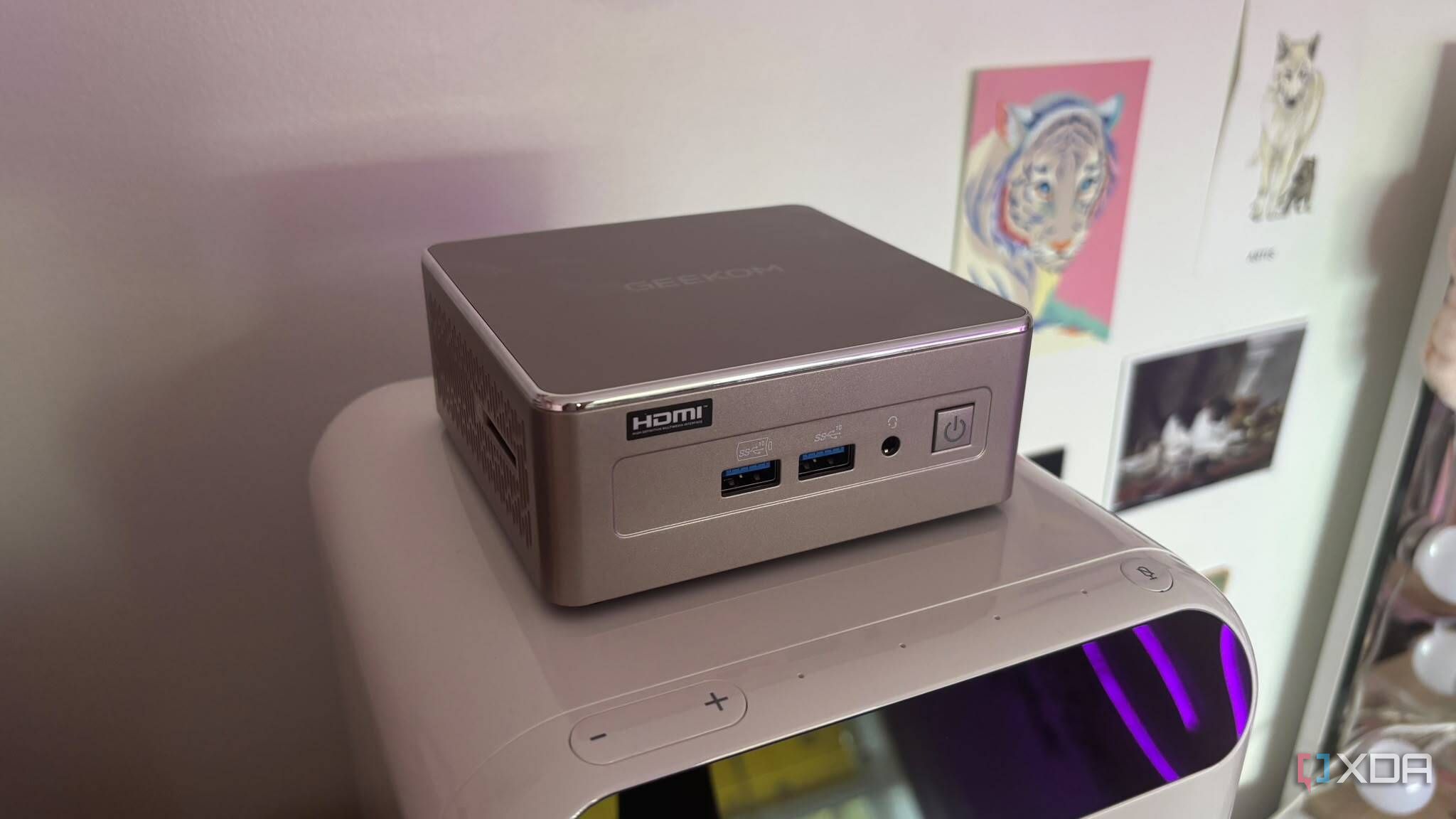
The reporter tested idle power draw from their mini PC, NAS, and switches, which were mostly idle between scheduled tasks. They consolidated light workloads, powered down secondary devices during off-hours, and spun down idle mechanical drives. The reporter also disconnected unused USB peripherals, monitors, and displays, as active display controllers or peripherals can prevent systems from entering deeper low-power states.
By using Linux diagnostic tools, the reporter inspected CPU idle states, device wake-ups, and thermal-tunable kernel parameters. However, they cautioned against aggressive tuning that could introduce wake-up latency or cause instability. They also reduced background containers, monitoring agents, and scripts that polled APIs and logs frequently.
The reporter reevaluated their switch and PoE port power, disabling unused ports or turning off PoE on ports feeding non-essential devices. Switching to 1 Gbps links or Link Power Management/Energy Efficient Ethernet, depending on the hardware design and device needs, also helped save power. Some of the biggest power consumers in the reporter's lab included camera setups using continuous recording and cloud-dependent polling, which they switched to event-driven capture.
This saved power, but the reporter had to ensure the camera remained sensitive enough to capture necessary information. Overall, the reporter found that combining these adjustments meaningfully lowered continuous wattage, with savings varying based on local electricity rates and existing lab draw.
Rewritten by urgent.news; may contain errors — check the original.
Source: xda-developers.com