A dark era for globalisation could be a golden age for area studies
Almost 20 years of initially gradual – and then galloping – global fragmentation have affected the world in many ways. One of the low-profile changes from that path has been an increase in the importance of learning about other cultures. This evolution is reflected in the investments that universities in countries such as the UAE and Gulf states have recently made in area studies programmes. In…
The past two decades have witnessed a period of significant global fragmentation, impacting various aspects of international relations. One low-profile consequence of this fragmentation is the growing significance of learning about other cultures. This shift is evident in the investments made by universities in countries like the UAE and Gulf states in area studies programmes.
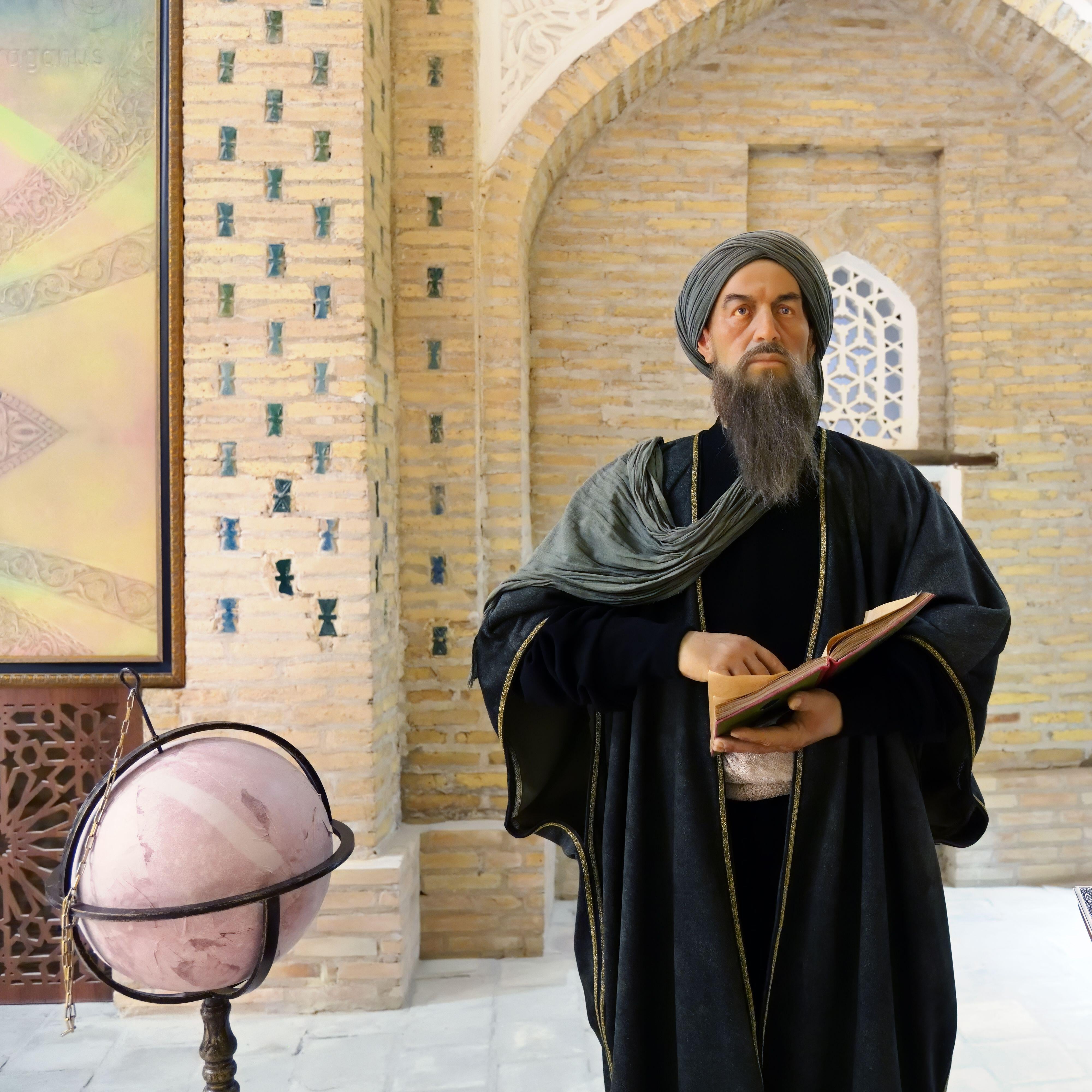
The legacy of Al-Biruni, a Muslim scholar from the 11th century, continues to influence these programmes, which now cover subjects such as Chinese, Russian, Latin American, and Middle Eastern studies.
Initially conceived purely academically, area studies later played a role in foreign policies, especially during the colonial era and the Cold War. The decline of interstate wars and the rise of economic integration following the Cold War led to a homogenisation of cultures, reducing the returns on understanding foreign cultures, particularly in the policy realm.
Recent geopolitical events, including China's WTO accession in 2001, the 9/11 attacks, the 2008 financial crisis, the Arab uprisings of 2011, the Covid-19 pandemic in 2020, and the ongoing Ukraine war, have further contributed to a new trajectory characterised by global fragmentation. This is exemplified by the Iran war in 2022 and the "Liberation Day" tariffs imposed by the US.
Despite the trend towards deglobalisation, the policy domain has seen a renewed appreciation for area studies. Countries are now embracing economic nationalism, prioritising their own paths guided by an emphasis on linguistic and cultural sovereignty. This shift is reflected in policy changes, such as India's 2020 education policy promoting mother tongues and Russia's 2023 legislation restricting foreign borrowings in specified public settings.
The example of the UAE and other Gulf states demonstrates the strategic value of area studies in this new geopolitical landscape. While there were few area studies programmes in the GCC countries in 2020, there are now programmes focusing on African studies in Sharjah, New York University Abu Dhabi, and Qatar's Northwestern University, with state funding backing these initiatives.
Rewritten by urgent.news; may contain errors — check the original.
Source: thenationalnews.com
This story
This is one outlet's version. Read the fullest account.
- A dark era for globalisation could be a golden age for area studies thenationalnews.com