A Caltech nanorobot got cancer drugs into mouse brains, and Parkinson's could be next
The barrier does its job almost too well. It keeps pathogens, toxins and other threats out of the brain, but it can also stop medicines from reaching the organ. That leaves doctors with drugs that might work against a disease but cannot get to it. Read Entire Article
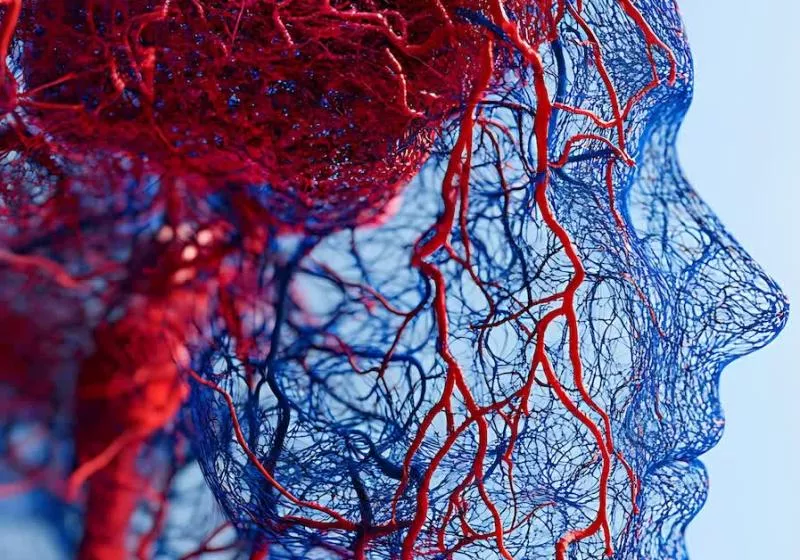
Researchers at the California Institute of Technology (Caltech) have developed a nanorobot, known as BrainBot, capable of navigating the bloodstream and delivering medication directly to the brain. The BrainBot is small enough to bypass the blood-brain barrier (BBB), a protective layer that often blocks drugs from reaching the brain.
In experiments with mice suffering from brain cancer, the light-activated BrainBots delivered about five times more medication to the brain than the same bots without light activation. The BBB is notoriously effective, keeping harmful substances out of the brain, but it also prevents beneficial drugs from reaching the organ. This poses a significant challenge in treating brain diseases, including cancer.
Dr. Wei Gao, a professor of medical engineering at Caltech, emphasizes that overcoming this barrier is crucial for advancing brain disease treatments. The BrainBot design consists of a balloon-like structure made of biocompatible and biodegradable materials, measuring 250 nanometers in size. The bots carry aptamers, which are specialized DNA molecules that recognize and bind to cells lining the barrier.
Additionally, near-infrared light is directed through the skull, heating the bots and triggering propulsion towards the barrier. Once the bots bind to the cells lining the barrier, those cells transport the BrainBots into the brain, where they release their medication payload. The team tested the BrainBot approach on glioblastoma, an aggressive form of brain cancer, and observed enhanced drug delivery, which suppressed tumor growth.
The method also significantly reduced systemic toxicity associated with chemotherapy. Although the results are based on mouse trials, the researchers plan to eventually conduct human trials, pending further optimization of near-infrared light delivery and the evaluation of the bots' long-term safety, stability, and degradation in the human body.
Rewritten by urgent.news; may contain errors — check the original.
Source: techspot.com