5 practical ESP32 projects you can build with nothing but a browser and some sensors
A cheap ESP32, a sensor, and a battery
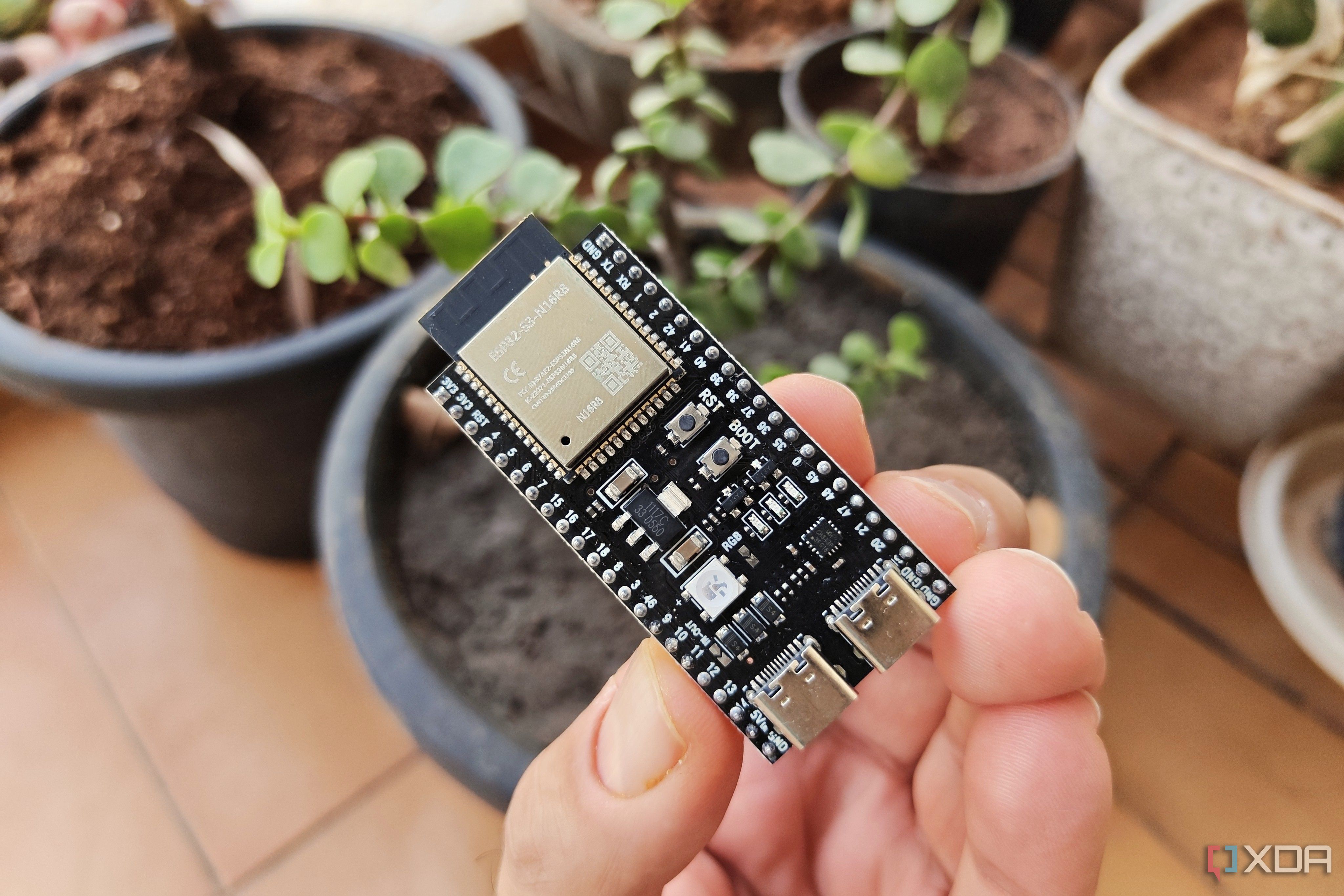
Five practical ESP32 projects can be built using only a browser and sensors. ESP32 offers a balance of power and affordability compared to Arduino or Raspberry Pi. Various ESP32 boards are available depending on the project. Most projects can be run without writing code by using an IDE in your browser.
For security purposes, an ESP32 with a magnetic reed switch and small battery can send alerts to your phone when doors are opened. Using ESPConnect, firmware can be flashed in a browser without soldering. The ESP32-C3 is recommended for low power consumption.
ESP32 can also act as a Bluetooth proxy to capture BLE signals from devices and send them to Home Assistant over Wi-Fi. Use an ESP32-C3 or ESP32-S3 board for this project.
A soil moisture sensor connected to an ESP32 board can monitor plant moisture levels. Use a resistive sensor and power the board with a battery. Configure the board to wake up twice a day to measure soil moisture.
Building your own security camera with an ESP32-CAM and USB-to-UART adapter can keep data local and avoid cloud subscriptions. Use a wall outlet or power brick for reliable power supply. The ESP32 CameraWebServer can serve a live stream to a browser or integrate with Home Assistant.
Finally, an ESP32-S3 Matrix dev board with an 8x8 LED matrix and HC-SR04P Ultrasonic Distance Sensor can create a parking assistant showing bright symbols. Mount the ultrasonic sensor at bumper height and ESP32 at eye level for clear visibility.
Rewritten by urgent.news; may contain errors — check the original.
Source: xda-developers.com