1Password says it was hacked but users' vaults are safe
1Password assures customers that their logins and other sensitive information were not compromised in a recent data breach.
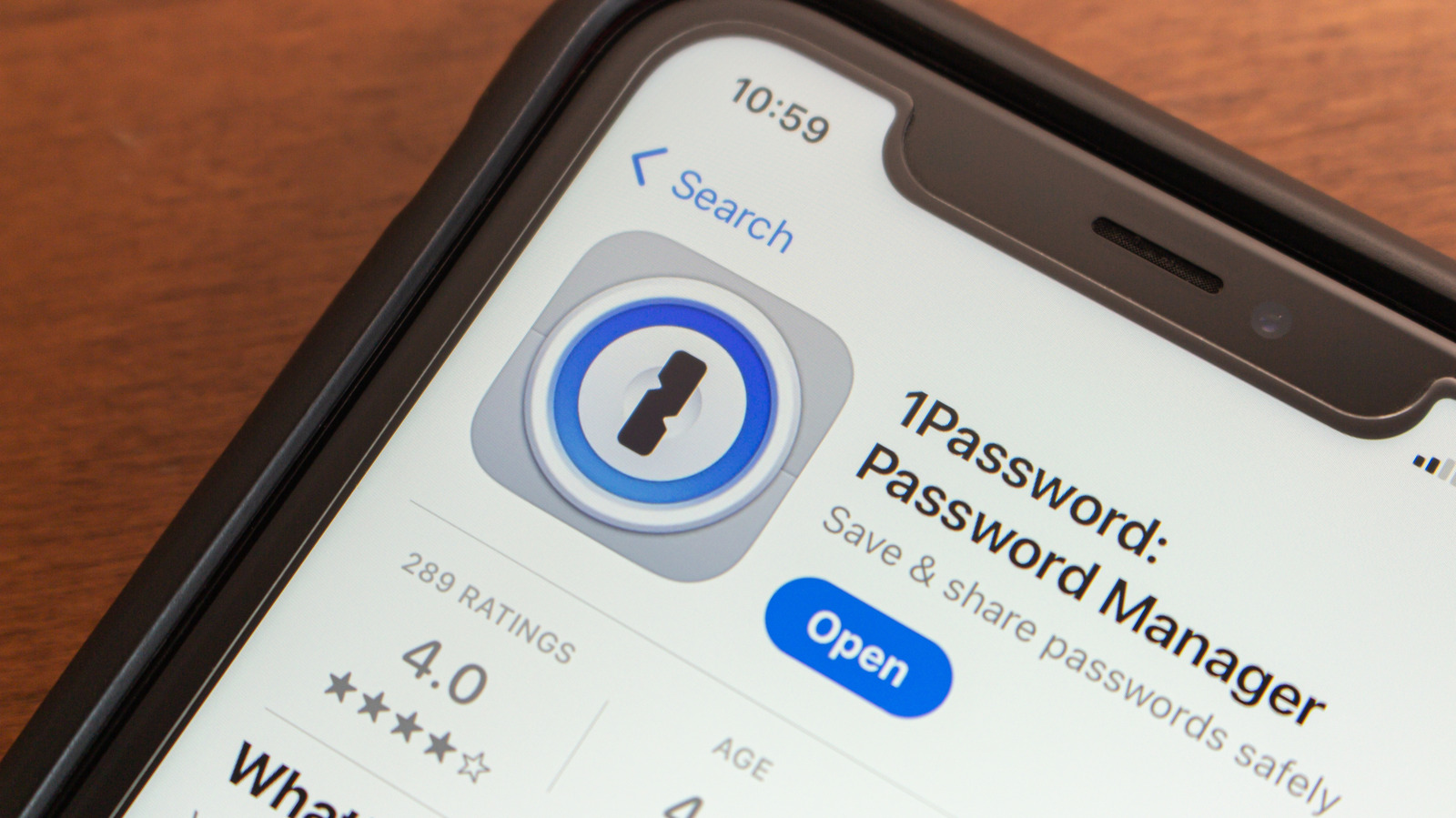
1Password disclosed on November 19 that an attacker had infiltrated its system and stolen some customer data, though it reassured users that their vaults and login information remain secure. The company initially detected signs of a compromised corporate GitHub account belonging to an employee. Upon investigation, 1Password discovered that the perpetrator had exploited this account to infiltrate the company's source code and introduce malicious code into its backend.
Consequently, the attacker was able to download customers' data, including their names, email addresses, dates of account creation, and last sign-in times. Additionally, the intruder obtained users' public keys, though 1Password maintains that such information poses no security risk.
The hacker also managed to pilfer source code from 1Password itself, though crucially, this data did not contain customer information. The company affirmed, "Your vault data, the items in them, and the keys that protect them are safe and were not affected." 1Password does not possess access to users' actual passwords, recovery keys, or other credentials, as well as the secret keys that secure their vaults.
Hence, the breach did not enable the attacker to steal these sensitive elements. Following the discovery of the breach, 1Password promptly revoked the stolen token, disabled the affected GitHub account, and implemented enhanced detection mechanisms to thwart similar attacks in the future.
Despite 1Password's assurance that users' vaults are safe, the company advises users to remain vigilant against phishing attempts. The breach resulted in the exposure of users' email addresses, which could potentially be exploited in future phishing schemes aimed at acquiring passwords through deceptive account recovery and invitation emails.
Rewritten by urgent.news; may contain errors — check the original.
Source: engadget.com