WTE penyelesaian kepada tapak pelupusan semakin sesak?
Pakar berkata WTE moden berbeza daripada insinerator konvensional kerana ia mampu menangani masalah sisa dan tenaga dengan risiko minimum kepada masyarakat.
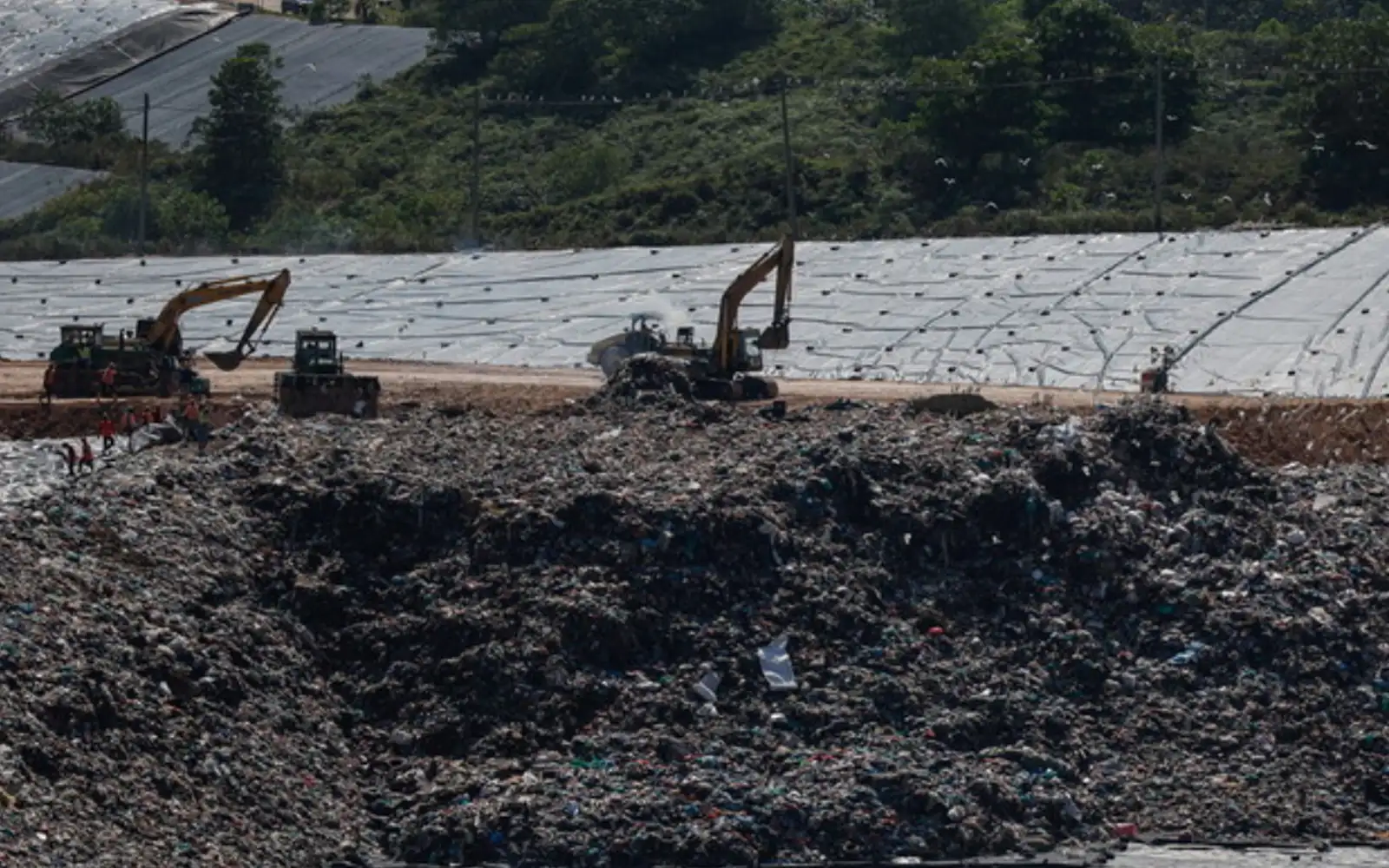
Malaysia plans to build 18 waste-to-energy (WTE) facilities across the country by 2050, as part of a long-term waste management strategy. Malaysians produce roughly 39,000 tonnes of waste per day, putting increasing pressure on limited landfill capacity expected to be insufficient by 2050. To address this, Malaysia plans to construct the 18 WTE facilities nationwide by 2050 as part of a long-term waste management strategy.
WTE technology is already used in several countries as part of a more comprehensive waste management system, including Singapore, Japan, the United Kingdom, and various European nations like Germany, Switzerland, and Denmark. FMT examined how modern WTE technology works, how it differs from conventional incinerators, and the concerns often associated with it.
What exactly is waste-to-energy? WTE refers to facilities that process waste to generate electrical power. Rather than sending residual waste directly to landfills, non-recyclable material is further sorted and processed in these facilities. The waste is brought into a closed facility and treated at high temperatures. The resulting heat is then used to drive turbines to generate electricity.
Professor of environmental engineering at Universiti Kebangsaan Malaysia, Marfiah Wahid, explained that unlike conventional incinerators, which merely burn waste to dispose of it, WTE processes waste while simultaneously producing useful outputs such as electricity or biogas. One common misconception about WTE is that it is the same as conventional incinerators.
This arises because both involve burning waste, but there are significant differences between the two technologies. Conventional incinerators were primarily built to reduce the volume of waste. Poor operational controls often led to concerns about odor, incomplete combustion, and emission of harmful substances. In contrast, modern WTE facilities feature temperature control systems, residue treatment, and continuous monitoring.
Their primary goal is to recover useful energy while ensuring environmental emissions are controlled. Are WTE facilities environmentally friendly? Residents living near WTE facilities often raise concerns about safety, health impacts, and noise. However, these concerns should not be dismissed outright. Many people do not reject the technology itself but rather lack confidence and trust.
Providing real-time disposal data and clear operational information is crucial in building public confidence, according to Azil Bahari Alias from Universiti Teknologi Mara. Main concerns about residue treatment involve air pollution, as high-temperature processes can produce harmful substances if not properly controlled. Modern WTE facilities, however, are equipped with continuous monitoring and emission tracking systems.
Operating at temperatures exceeding 1,000°C helps prevent the formation of hazardous substances like dioxins and furans. Proper monitoring and control of emissions during operation are essential. Some argue that recycling alone is not enough as the volume of waste and dependency on landfills continues to increase. While recycling will always be a critical component of waste management, it cannot solve all problems due to contamination, technological limitations, or cost factors.
WTE should not replace recycling; its role is to manage residual waste after materials that can be recycled are separated. For Malaysia, the choice is not whether to have alternatives to landfills, but how to effectively implement technologies like WTE. Public involvement is crucial before any decision is finalized, rather than after the decision has been made.
According to Azil, the future of waste management depends not only on technology but also on the reliability and trust of the community.
Rewritten by urgent.news; may contain errors — check the original.
Source: freemalaysiatoday.com