With Melania , We See Nothing
On the heels of Nathan Fielder’s Elizabeth Holmes project, another documentary proves the impossibility of getting inside its subject’s head.
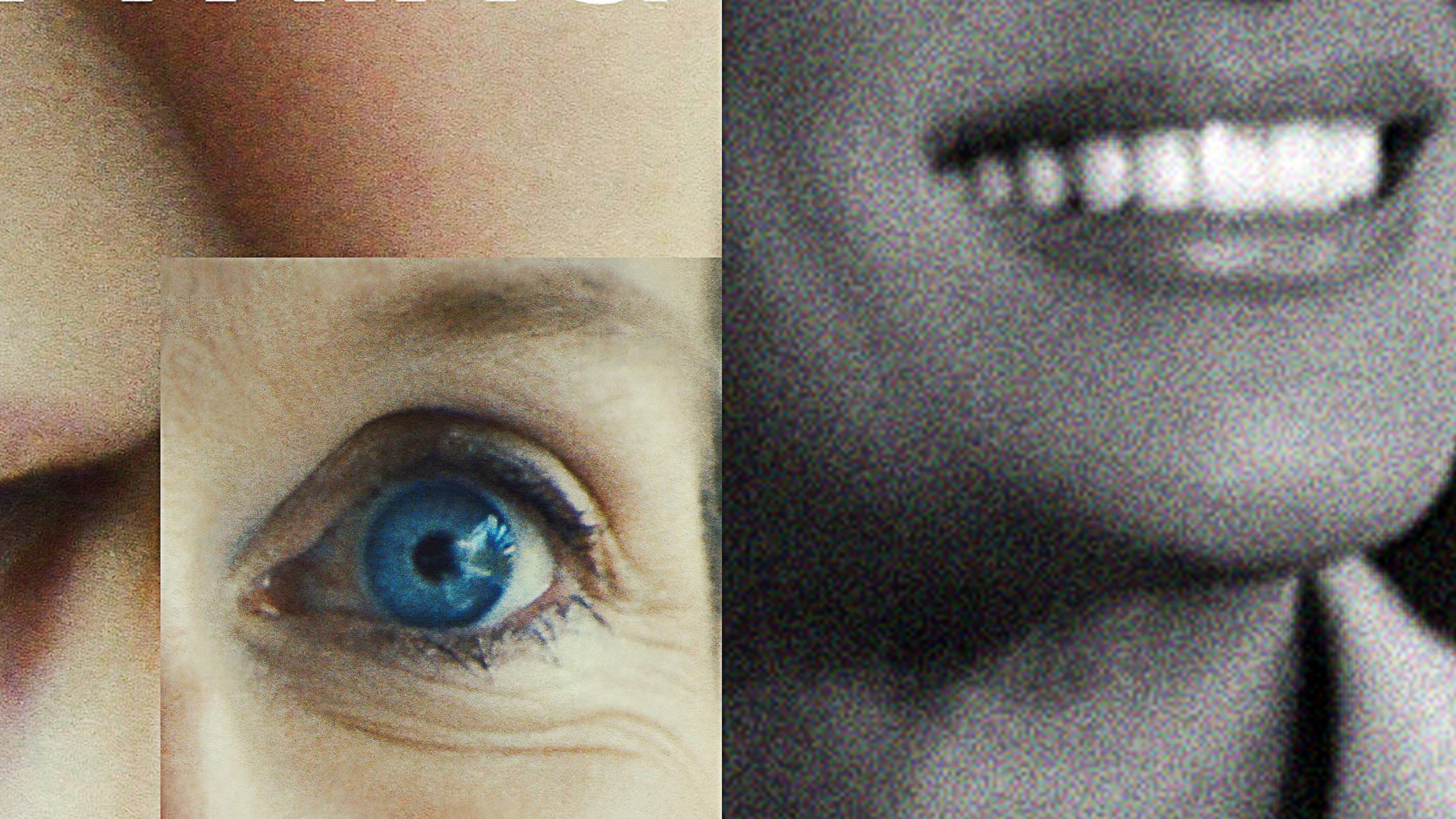
In the second and final episode of the television series Melania: The Series, host Brett Ratner asks his subject, Melania Trump, about her thoughts on death. The camera focuses on her as she replies, revealing a white smile behind her black jacket. Melania expresses her desire to ensure that her family and child are protected, acknowledging the unpredictability of life.
The interview quickly moves on from this topic, as Ratner's own past allegations of sexual harassment and assault have led him to this creative void. Throughout the hour and 11 minutes of the series, Ratner fails to elicit any genuine emotion from Melania, whose composed and airtight demeanor remains unchanged. The series is criticized for its lack of action, recycled content, and overly polite approach.
However, Ratner's relentless portrayal of Melania raises questions about the nature of documentary filmmaking and the impact of prolonged exposure to a subject without revealing any new insights. As the audience is bombarded with images and clips, the series echoes Don DeLillo's observation that we are constantly immersed in and influenced by images.
The series draws parallels to the documentary You Can See Everything, which presents Elizabeth Holmes, whose face is also subjected to intense visual scrutiny. Both women are portrayed as unknowable figures, despite the extensive time spent observing them. The filmmakers utilize manipulative techniques, such as heavy-handed aural hooks, close-ups, and scenes of devastation, to elicit emotional responses from the audience.
Ultimately, the series attempts to expose the manipulative nature of storytelling, but falls short due to its lack of true skill in understanding human desires and motivations.
Rewritten by urgent.news; may contain errors — check the original.
Source: theatlantic.com