Why UAE athletes should not have to be like Rocky Balboa
The story of Rocky Balboa is the stuff of sporting (and cinematic) legend: an unknown but talented boxer, with little financial or professional support, given an unlikely chance to take on the world heavyweight champion. Reliant on determination, discipline and an extraordinary willingness to keep going with the odds against him, Rocky made it into the ring against that champion. But as much as…
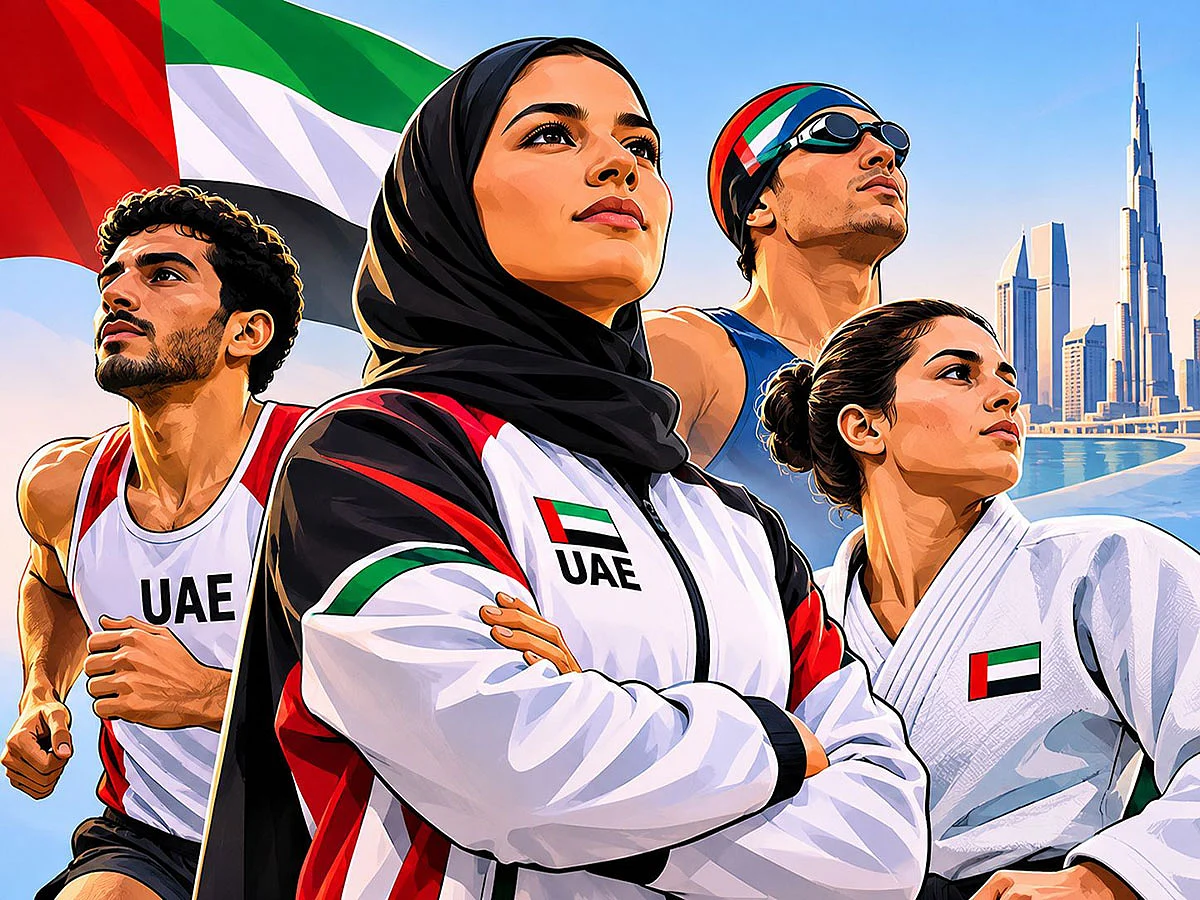
The saga of Rocky Balboa, an unknown and financially-strapped boxer striving against the world heavyweight champion, has become a staple of sporting and cinematic lore. Despite his struggle, his determination, discipline, and unwavering perseverance paid off, securing him a place in the annals of sporting greatness. However, as a reporter, I cannot help but feel that our sporting heroes ought not to be modeled after Rocky.
The notion of an underdog triumphing is undeniably inspiring, but it shouldn't be the standard for our athletes. While it may be true that many Olympic and world champions have faced financial difficulties, limited institutional support, and personal challenges, we must ask ourselves about those who, despite similar talent and dedication, never got the opportunity to prove themselves due to a lack of support or visibility.
The thought of potential champions going unnoticed because they couldn't overcome the obstacles in their path is disheartening. Thus, while I admire the spirit of Rocky Balboa and his iconic story, I prefer that it not become the blueprint for the future of UAE sports. What I envision is a system that not only acknowledges the importance of determination and perseverance but also ensures that our athletes have the resources and opportunities to thrive.
Our athletes should be able to harness their resolve to enhance their performance, not merely to navigate an unforgiving environment. The challenges of elite competition are already formidable; we have the power to eliminate unnecessary barriers. The UAE has always been a country that invests in its people, strengthens its institutions, and pursues long-term strategies for sustainable progress.
This philosophy has yielded remarkable results across various sectors, including sport. Recently, our young athletes returned from the Dakar 2026 Youth Olympic Games with five medals, marking their most successful performance in the competition's history. The UAE's ranking improved by 50 places compared to the 2018 event, with stellar performances from athletes like Riyan Malhan and Saeed Omar.
These accomplishments are a testament to the combined efforts of talented athletes, their coaches, sports federations, and supportive families. It is crucial to remember that the journey to becoming an Olympian or world champion is not just about individual achievements but also about the collective support and belief that nurtures these talents from their earliest days.
This is why I consider the success of the Dakar athletes as more than just a collection of medals; it symbolizes the power of collaboration between individuals and institutions, and the opportunities given to talented athletes to compete on the global stage. The achievement in Dakar is not merely about celebrating a podium finish; it represents the culmination of a well-planned, supported, and continuously evolving sporting ecosystem.
And this ecosystem should begin at the grassroots level, where potential talents can be identified and nurtured years before they are ready for international competition. Planning ahead, five to ten years in advance, we should invest in young athletes and continuously strengthen their development pathways. The UAE's National Sports Strategy 2031 reflects this long-term approach, as evidenced by the participation of over 13,000 students in the School Games and University Games this season.
By the end of 2025, we have identified 470 promising young athletes, and more than 120 ranked athletes have benefited from elite and high-performance sports support programmes. These numbers signify participation and progress, but their true value lies in the opportunities they represent: more young people engaging in sports, more talent being recognized, and clearer pathways for promising athletes to progress from grassroots participation to international competition.
While not every child who takes up sports will become an Olympian, and not every promising athlete will win a medal, limiting our investment in young people would be a grave mistake. On the contrary, the wider the opportunities for participation, the higher our chances of discovering exceptional talent. And at the same time, we should not forget that not every child who engages in sports will become a champion.
The key is to create an environment where every athlete has the chance to reach their full potential, regardless of the outcome.
Rewritten by urgent.news; may contain errors — check the original.
Source: gulfnews.com