When AI lightens the workload, decisions get heavier
Most discussions about artificial intelligence start with what machines will be able to do. The more pressing question is who will be responsible for the results AI helps to achieve. As AI takes on routine work, the decisions that still need a person are the ones that matter most: the exceptions that do not fit the rules, and the cases where a citizen or resident needs to know that someone is…
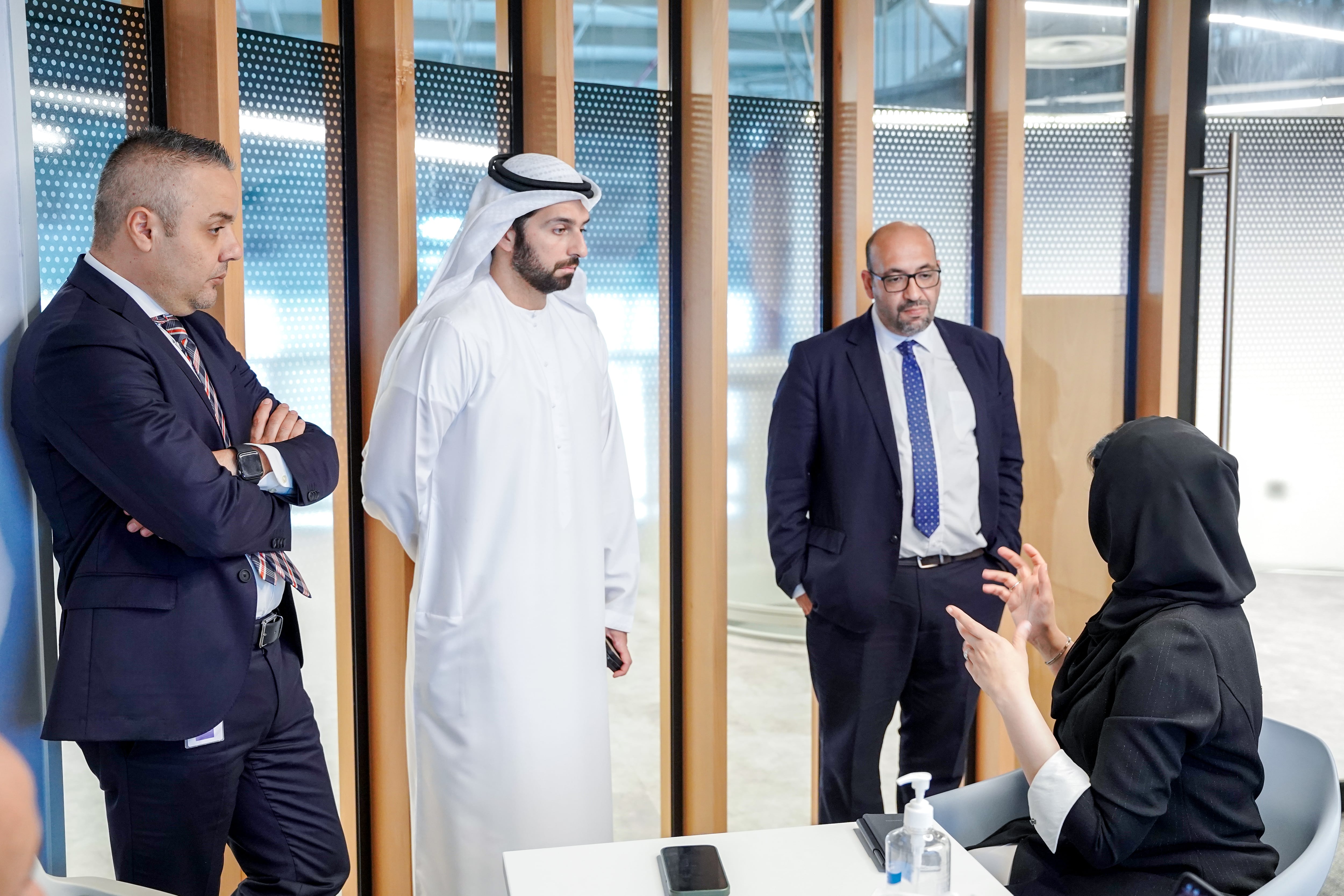
The phrase "When AI lightens the workload, decisions get heavier" highlights an emerging paradox in the age of artificial intelligence. While AI becomes more capable, taking over routine tasks, the decisions that truly matter are increasingly left to human discretion. This creates a situation where the workforce becomes less burdened, but the responsibility carried by individuals within it intensifies.
To address this challenge, Abu Dhabi has launched a report titled "The Light Workforce Paradox" which explores four possible future scenarios. The most favorable of these is called "Symbiotic Craftsmanship," wherein AI operates in the background, allowing humans to retain the final say. Routine tasks, which often have clear answers, are prime candidates for automation, freeing up people to tackle more complex cases that involve judgment and human contact.
Despite AI's accuracy in handling routine tasks, the responsibility does not disappear. Instead, it shifts to fewer individuals who must make exceptions to the rules and take final accountability for outcomes. For instance, imagine a caseworker whose job has been streamlined by AI-generated suggestions that comply with established policies.
Accepting these suggestions is now a matter of seconds, but overriding them requires a deeper examination and personal responsibility. This scenario illustrates how even when systems perform correctly, human judgment remains crucial in handling exceptions.
The key takeaway is that while AI's efficiency is valuable, it does not replace the need for human accountability. The trust people place in AI systems hinges on their ability to see who is responsible for decisions. Institutions must instill a culture of accountability right from the start, rather than treating it as an add-on after AI adoption.
This involves training individuals to question AI recommendations, incorporating human confirmation at critical decision points, and rotating roles to maintain active human involvement in judgment-heavy tasks.
The real challenge lies in preserving human judgment and accountability as more work becomes automated. While automating processes may be relatively straightforward, building institutions capable of managing the weight of responsibility that remains is far more complex. The ultimate test of the AI era will be whether organizations can retain their human element, ensuring public trust even as AI takes over more tasks.
Rewritten by urgent.news; may contain errors — check the original.
Source: thenationalnews.com