What draws data centers to a community?
As Oklahoma communities weigh new data center development, research co-authored by a University of Oklahoma architecture professor offers insight into what draws major technology companies to locations—and why those choices matter locally.

When Oklahoma communities consider hosting data centers, researchers at the University of Oklahoma have identified key factors that attract major technology companies to specific locations. Assistant Professor Kijin Seong, along with two colleagues, examined 212 U.S. data centers operated by leading companies such as Amazon, Microsoft, Google, and Meta.
Their study, published in the journal *Cities*, revealed that land use, infrastructure, and workforce characteristics are crucial in determining where these facilities are built.
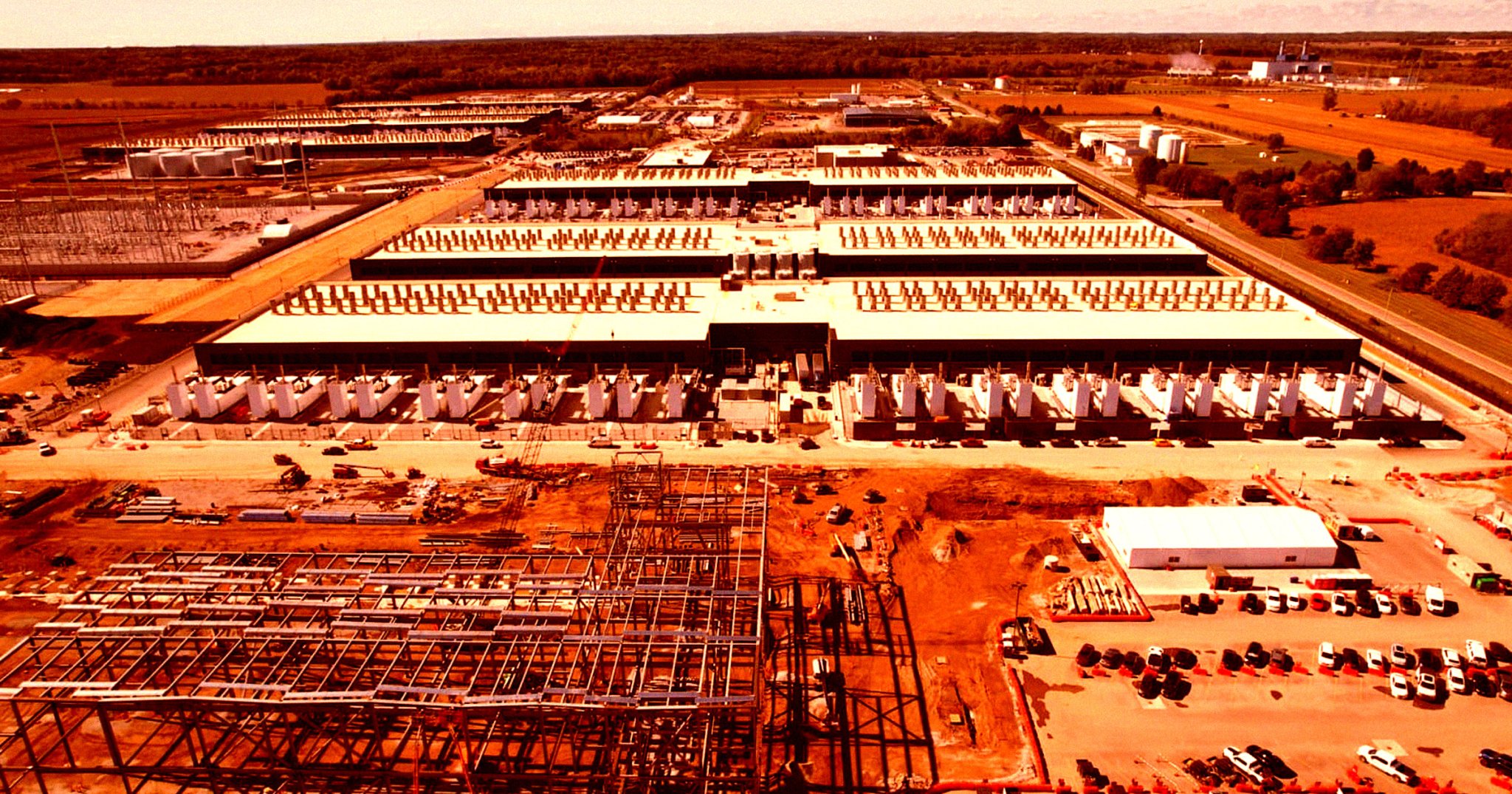
Seong explained that data center buildings require significant land, substantial electricity, water for cooling, and fiber connections. These physical requirements determine the suitability of a location. The researchers compared each data center with four nearby census tracts that had similar population density but did not host a data center. This allowed them to isolate the factors that specifically influenced data center siting.
The study found that land-use diversity emerged as the strongest predictor of data center location. Proximity to electrical substations, major transportation routes like major roads, and concentrations of information technology workers also played significant roles. Interestingly, while dense fiber networks were associated with nearly three times the odds of hosting a data center, climate had relatively little impact on site selection.
Companies tend to focus on individual site characteristics once they narrow down their options to specific locations.
Seong noted that climate considerations might influence broader decisions about the region or state, but once companies get down to the nitty-gritty of site selection, access to developed land and robust infrastructure becomes paramount. The researchers identified six distinct types of data center locations, ranging from dense urban centers to suburban corridors and even agricultural areas on the metropolitan fringe.
Major tech companies like Amazon, Microsoft, Google, and Meta were found in all six types, demonstrating the flexibility in where these facilities can be situated.
For Oklahoma communities specifically, the findings highlight the importance of having access to reliable power sources, efficient transportation networks, and skilled labor pools. Established industrial parks with advantageous locations for electrical substations and major roads seem to align well with the criteria identified in the study.
As Oklahoma attracts more data center development, local policy decisions around zoning, site plans, water supply through municipal utilities, and design guidelines will be crucial in shaping these new infrastructure projects.
While state tax incentives were offered to about 85% of the data centers studied, the researchers found that these incentives did not significantly influence individual site choices when compared to similar locations. This suggests that local factors outweigh state-level policies in determining where data centers are built. The study essentially serves as a starting point for communities to understand and prepare for the physical demands of the growing AI industry.
Rewritten by urgent.news; may contain errors — check the original.
Source: phys.org