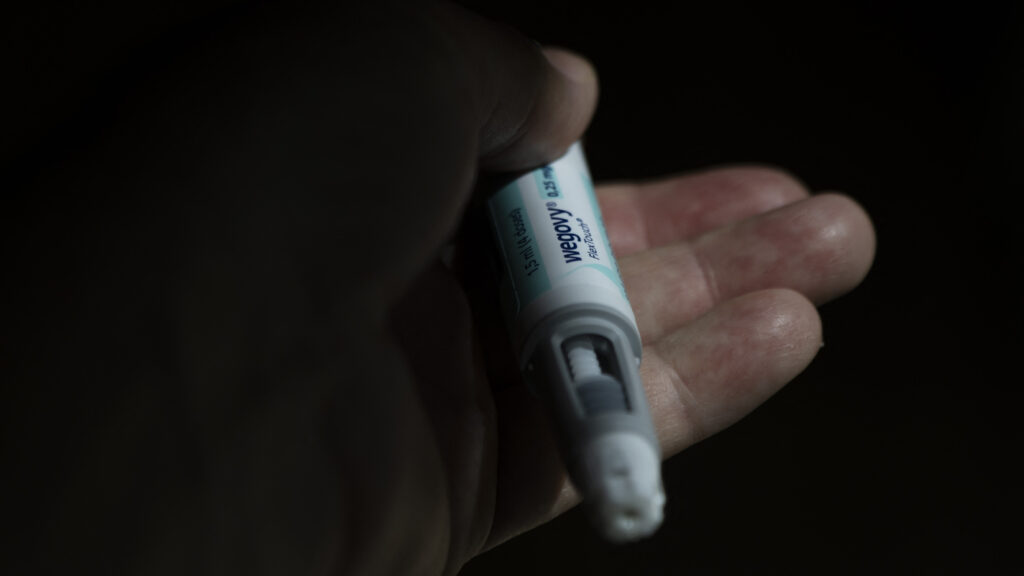
What are the side effects of GLP-1 medications? We ask the experts
Ozempic-like drugs have exploded in popularity in recent years, but there's still a lot we don't know about their potential long-term impacts, especially in younger groups.
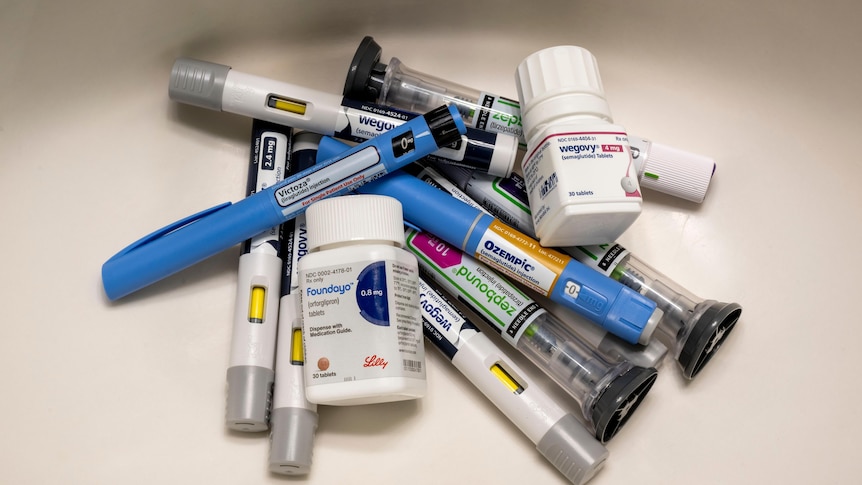
GLP-1 medications, like Ozempic, have gained popularity in Australia, with around 500,000 Australians using injectable GLP-1 receptor agonists each month. As GLP-1 pills enter the market, more people may consider using these drugs for weight management and chronic health conditions. However, there are potential side effects to consider.
Common side effects include gastrointestinal symptoms such as nausea, diarrhea, and constipation, which are usually mild and often subside as the body adjusts to the medication. These side effects are particularly common when patients start taking the medication or increase their dosage. It's crucial to explain these potential side effects, especially to adolescents and their families, as most research on GLP-1 drugs has focused on adults.
Patients using GLP-1 drugs should be aware of a rare risk of developing pancreatitis, though the evidence for this association is mixed. Additionally, there have been reports of a rare eye disorder called non-arteritic anterior ischemic optic neuropathy (NAION) that can lead to sudden vision loss. Patients should seek medical attention immediately if they experience vision changes while taking these medications.
GLP-1 drugs may also lead to muscle loss and decreased bone density, though these effects are generally associated with rapid weight loss rather than the medications themselves. It's essential for patients to maintain a balanced diet rich in protein and engage in resistance exercises to preserve muscle strength. While research on micronutrient deficiencies linked to GLP-1 drugs is limited, it's still a concern that warrants further investigation.
The cost of GLP-1 medications can be a barrier for some patients, with weekly injections ranging from $150 to $700 per month and daily tablets between $260 and $400 per month. Subsidy through Australia's Pharmaceutical Benefits Scheme (PBS) is only available for type 2 diabetes. Patients considering discontinuing or changing their dosage should consult with their healthcare provider, as regaining weight typically occurs within a month, and other health benefits may not be fully restored within two years.
Rewritten by urgent.news; may contain errors — check the original.
Source: abc.net.au