Wave’s 25 million-user blueprint: How low fees disrupted Francophone West Africa’s mobile money ‘cartels’
Wave's Public Policy Lead tells TechCabal how the company forced down prices across the WAEMU region and details the structural and regulatory hurdles that still prevent informal businesses and women from participating fully in the digital economy.
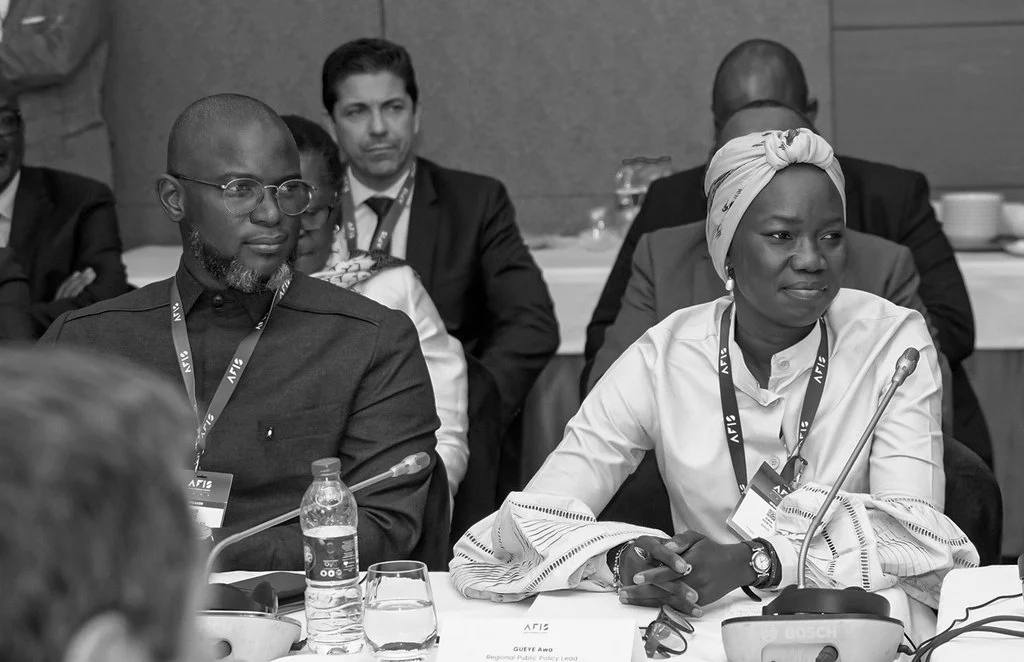
As mobile money platform Wave surpasses 25 million active accounts, its Public Policy Lead, Awa Gueye, explains how the company reduced prices across the WAEMU region and discusses the challenges that still prevent many informal businesses and women from fully participating in the digital economy. Wave entered the market with a low, flat-fee structure, sparking a price war with established telecom operators.
This forced competitors to cut their own commissions, fundamentally changing the digital payments landscape in West African Economic and Monetary Union (WAEMU) countries. The true disruption, according to Gueye, lies in shifting consumer expectations. Once people experience low-cost, reliable services, they expect that standard everywhere.
Wave's growth demonstrates how quickly unbanked populations can adopt digital financial services when cost and complexity barriers are removed. However, merely having an account does not equate to real financial inclusion. Genuine inclusion means users can use their digital wallets to receive income, pay suppliers, save, and handle emergencies.
Structural barriers, such as high fees and strict KYC requirements, still hinder this transition for rural populations and women who often lack formal identification. Gueye advocates for regulators to focus on user activity and economic outcomes rather than just account numbers, and to adopt tiered KYC protocols that allow low-value accounts with simplified documentation.
Establishing digital payment systems for government transfers could also boost adoption. The regulatory landscape in WAEMU is complex, with diverging national rules intersecting with the BCEAO's regional framework. While a single product can encounter different compliance requirements in various countries, Gueye believes that balancing innovation, consumer protection, and stability is possible with early, structured dialogue between regulators and providers.
She cites the BCEAO's financial inclusion lab as a successful model for collaborative testing and emphasizes that regulations should be technology-neutral and risk-based, with clear implementation timelines and customer protection.
Rewritten by urgent.news; may contain errors — check the original.
Source: techcabal.com