US’s Q3 GDP revised sharply upwards, Fed’s inflation gauge hits three-year high
US gross domestic product growth in Q3 was estimated at 4.3% at an annualised rate, while the Federal Reserve's preferred inflation gauge rose 3.8% year-on-year in October.
On Wednesday, the US Commerce Department revised US gross domestic product (GDP) growth for the third quarter (Q3) of 2021 strongly upwards, citing robust investment and consumer spending. The estimate rose to 4.3% at an annualized rate, a significant increase of 0.9 percentage points from the previous estimate and well above market expectations.
The acceleration in GDP primarily came from investment and government spending, which were partially offset by a decline in exports. This robust growth has been seen despite challenges such as former President Donald Trump's tariff policies and the conflict with Iran, which have driven up energy prices.
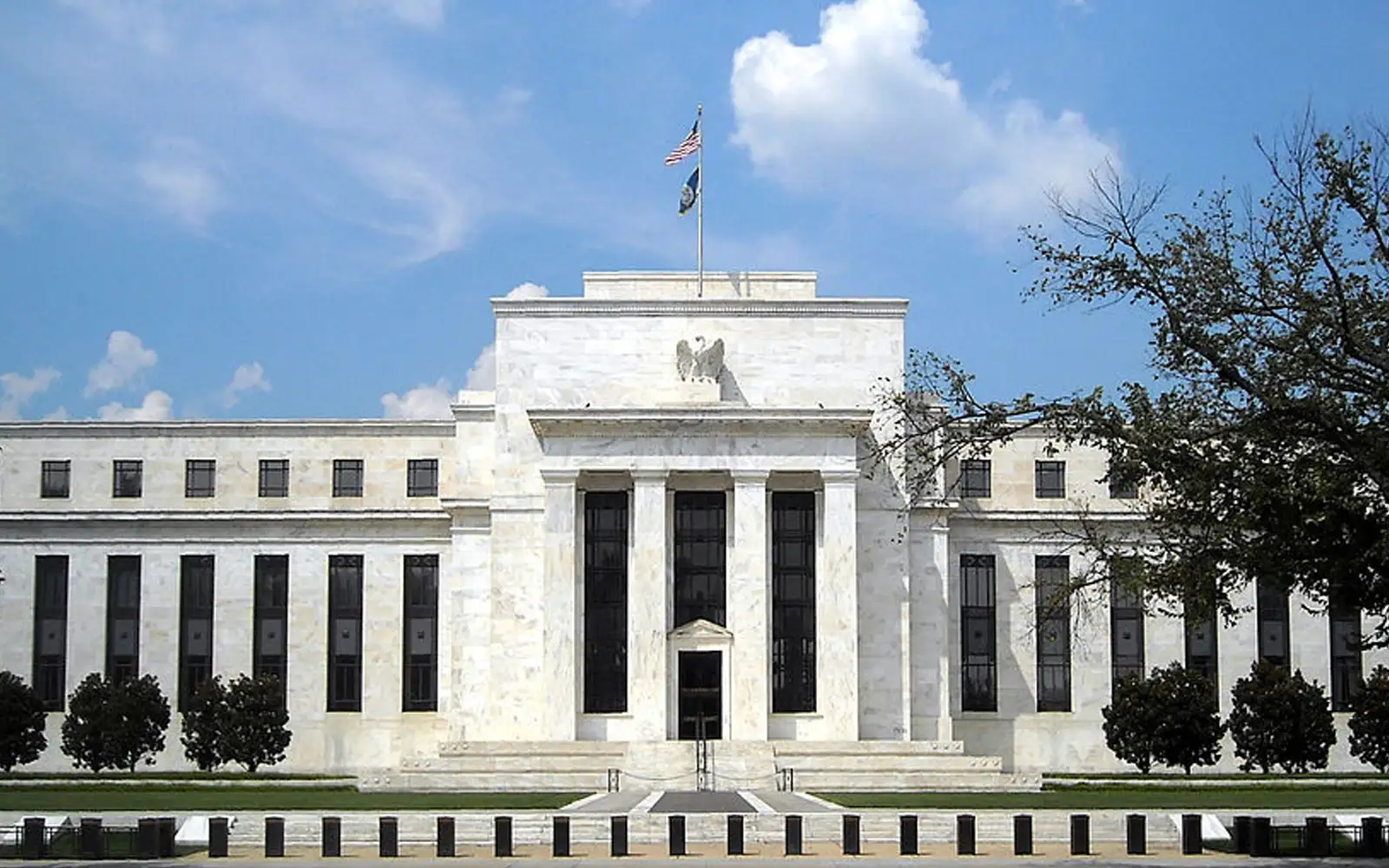
On the same day, the Federal Reserve's preferred inflation gauge, the Personal Consumption Expenditures (PCE) Price Index, recorded a three-year high in October. The index rose by 3.8% year-on-year, matching a peak set in May. The Federal Reserve's long-term goal is a 2% target for PCE inflation, a goal it has missed for nearly six years.
Despite the high inflation, the Fed held interest rates steady at its last meeting in October. However, given the persistent price increases, it is likely to raise rates at its next meeting in December.
The high inflation has adversely affected US households and businesses, with current price levels more than 30 percent higher than in 2020 according to official Consumer Price Index data. This issue was a key concern in the recent midterm elections, leading to the defeat of the Republicans in both houses of Congress by the Democrats.
The price hikes have been attributed to Trump's tariffs, energy price surges due to the war on Iran, and a surge in AI technology investment, which has increased demand for certain goods. Trump has defended his economic performance, highlighting data such as GDP growth, which has remained strong despite headwinds, largely due to the AI boom.
However, economists warn that while consumer spending remains strong, there is a growing disparity between lower- and higher-income households in the US. Heather Long, chief economist at Navy Federal Credit Union, suggested a rate hike in December, possibly another one in January. Ryan Sweet, chief global economist at Oxford Economics, noted that while the strong GDP data provides room for further rate hikes, these could not noticeably impact growth until the second half of next year.
Rewritten by urgent.news; may contain errors — check the original.
Source: freemalaysiatoday.com