US Army says controlled blast of explosives in Iowa was 'huge success'
Despite widespread concern from residents ahead of the blast, officials say that lead readings in the area so far have been promising.
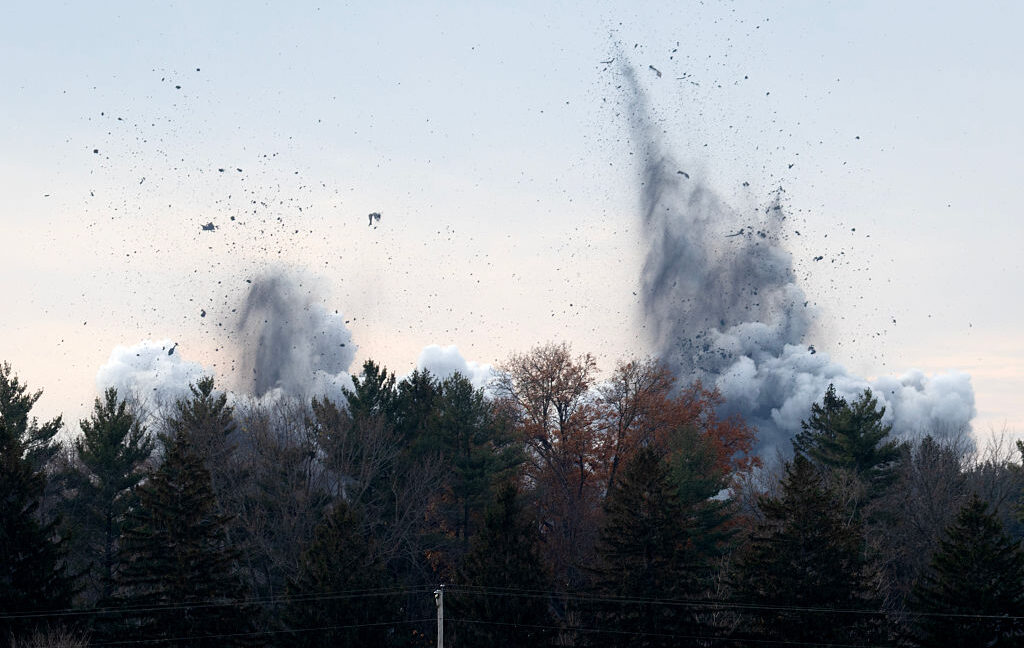
On Wednesday, the US Army declared a "huge success" following the detonation of nearly five tonnes of toxic explosives in Iowa, a move that had previously sparked widespread anxiety about health and environmental impacts across the region. Smoke was observed rising into the sky shortly after 09:00 local time (14:00 GMT) following the explosion, as the army assured the risk was "as close to zero as is absolutely humanly possible". President Donald Trump reported that the mitigation efforts "far exceeded expectations".
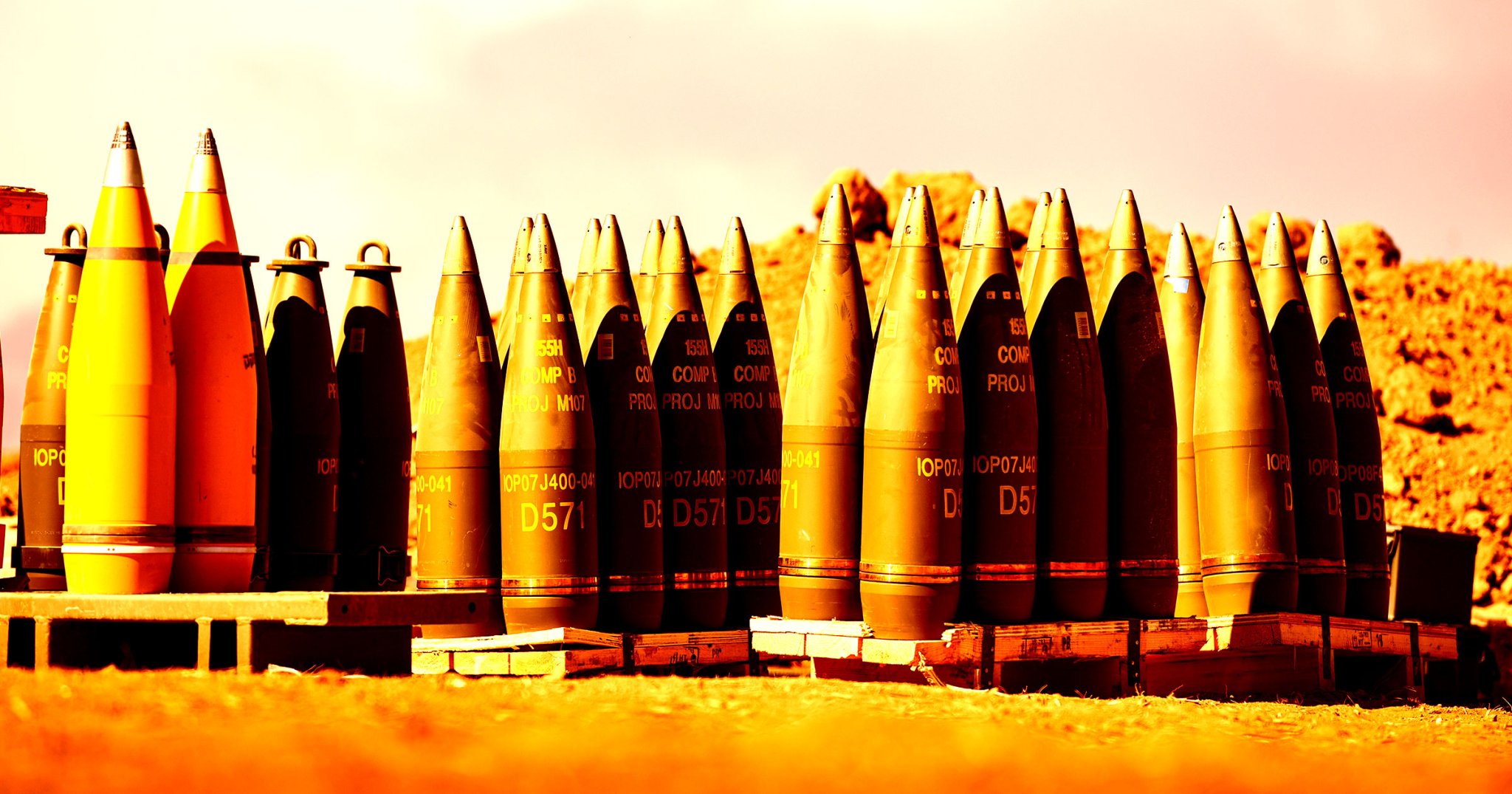
The explosives, lead azide, had been in storage for around 20 years and were rendered more susceptible to accidental detonation due to a process called recrystallisation. Public outcry and legal challenges led to multiple delays before the detonation finally took place on Wednesday. Despite these concerns, officials reported promising lead readings in the area so far.
Adam Telle, acting secretary of the US Army, praised the "controlled, mitigated detonation" as exceeding expectations, with no readings so far exceeding 0.0, according to the Environmental Protection Agency's sensor array. Middletown Mayor Rodney Johnson, who observed the blast from his manufacturing plant eight miles away, expressed relief and vindication. Nearby residents, like Sandy Mabeus, reported no immediate effects, though they remained cautious with windows closed and pets secured.
Iowa's upcoming Governor-elect, Rob Sand, called for more testing and transparency, emphasizing the need to address any impacts on Iowans. Federal Emergency Management Agency (FEMA) administrator Cameron Hamilton pledged additional resources and ongoing testing. The army had previously struggled with scheduling and public concern over potential exposure to toxic lead dust, leading to an optional evacuation zone and shelter-in-place advisory.
The army faced legal challenges, but an appeals court overturned a decision to halt the blast, stating that while concerns were valid, the risk of an unplanned explosion posed a greater threat. The story highlights the tension between safety concerns and the military's decision to proceed with the controlled detonation.
Rewritten by urgent.news; may contain errors — check the original.
Source: bbc.co.uk