Unpleasant surprises for Russians in next year’s budget
This week the State Duma, the lower house of Russia’s parliament, passed the 2027–2029 budget bill in the second of three readings.
The Russian government's 2027-2029 budget bill, recently passed by the State Duma, includes several unexpected measures that will impact both businesses and individuals. While the overall spending and budget deficit remain consistent with previous projections, significant changes have been made to tax policies and regulations.
One notable addition is the implementation of new tax rates for small and medium-sized businesses. The government aims to bring the economy out of the shadows by tracking income from shadow businesses through personal bank accounts. All personal accounts will be linked to the holder's taxpayer identification number, allowing for better monitoring of income. Additionally, all retail businesses will be subject to a new trade fee in major cities, extending to restaurants, cafes, and consumer services.
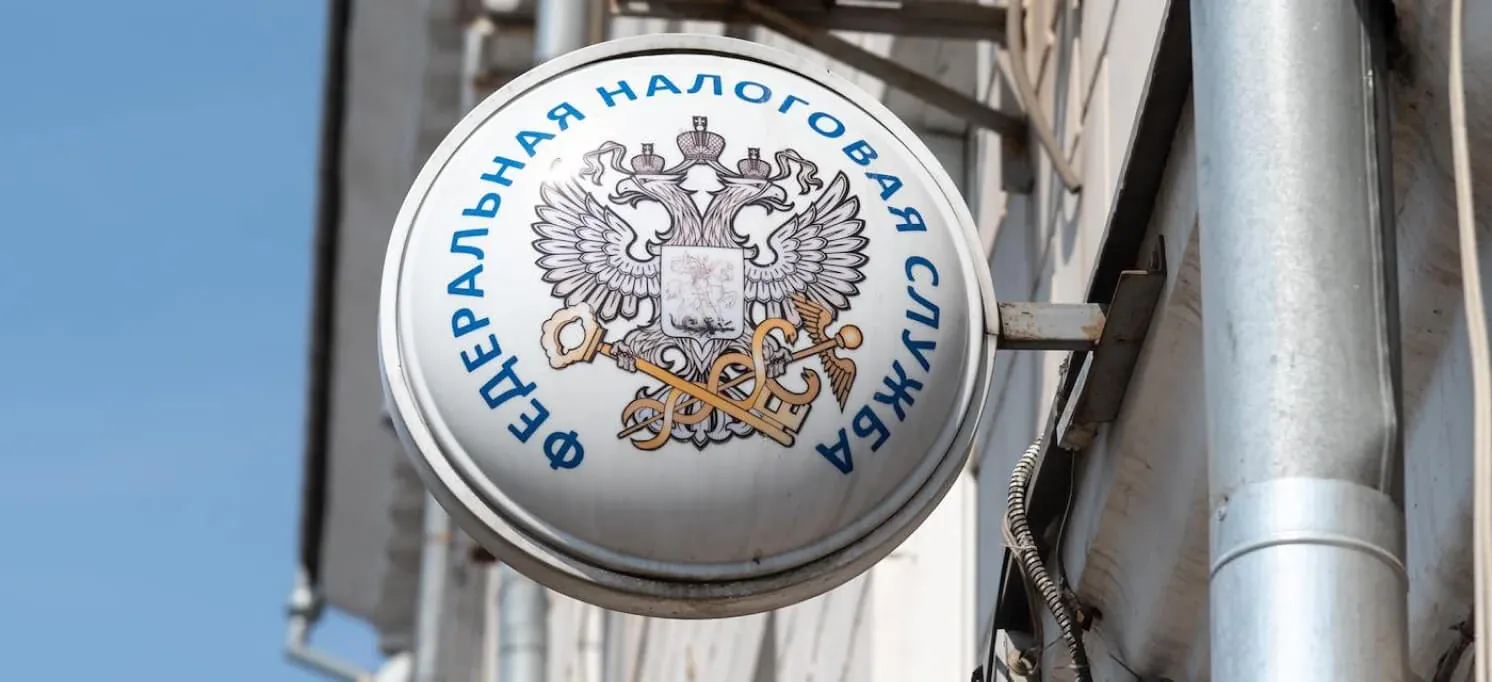
Another controversial measure involves price controls on goods imported from the Eurasian Economic Union. If the transaction price is below the minimum price set by the Federal Tax Service, the tax will be calculated based on the FTS price. This rule applies to goods subject to mandatory labeling, such as excisable tobacco and alcohol.
Furthermore, regions' ability to grant tax breaks under the simplified tax system has been significantly limited, and all retail trade has been removed from the list of activities eligible for these breaks. These changes are part of a broader effort to shift the tax burden onto citizens and businesses, making it more challenging for them to operate in the shadows. The government justifies these measures as a way to improve economic transparency and support a new progressive tax system with five different rates.
Rewritten by urgent.news; may contain errors — check the original.
Source: en.thebell.io