UDF calls for overhaul of Electoral Act over coalition politics
The revived civic movement says political parties should not have sole control over decisions that determine municipal governing arrangements.
The revived United Democratic Front (UDF) has called for significant changes to South Africa's Electoral Act in response to post-election coalition politics. The civic movement argues that behind-the-scenes coalition negotiations undermine the constitutional right of voters to directly choose their governments. UDF claims that these negotiations allow political parties to determine governing arrangements that were not explicitly endorsed by the electorate.
Jo Mboweni, the interim national convener of the UDF, asserts that coalition agreements formed in corridors between political leaders violate Section 1, 2, and 19 of the Constitution, as well as Chapter 2 of the Bill of Rights. He maintains that these arrangements infringe on voters' rights by bypassing accountability and transferring crucial decisions about governance from the electorate to party negotiators.
Following the November 4 election, UDF has reached out to President Cyril Ramaphosa, the Electoral Commission of South Africa, various government departments, as well as the Speaker of the National Assembly, parliamentary party whips, and Chapter 9 and Chapter 10 institutions. The UDF is seeking a national referendum to gauge public opinion on whether coalition governments dilute voters' democratic choices.
The organization plans to launch a petition campaign, targeting one million signatures by March if its demands are not met by the end of January.
Established in 1983, the UDF has a history of being a prominent anti-apartheid force, mobilizing communities against apartheid policies. It was revived in 1991 and again during its 40th anniversary commemorations in 2023 by ANC/UDF veterans and longtime activists focused on community issues. The UDF emphasizes its non-political stance but willingness to engage with civil society organizations, trade unions, business entities, and political parties on matters affecting communities and development.
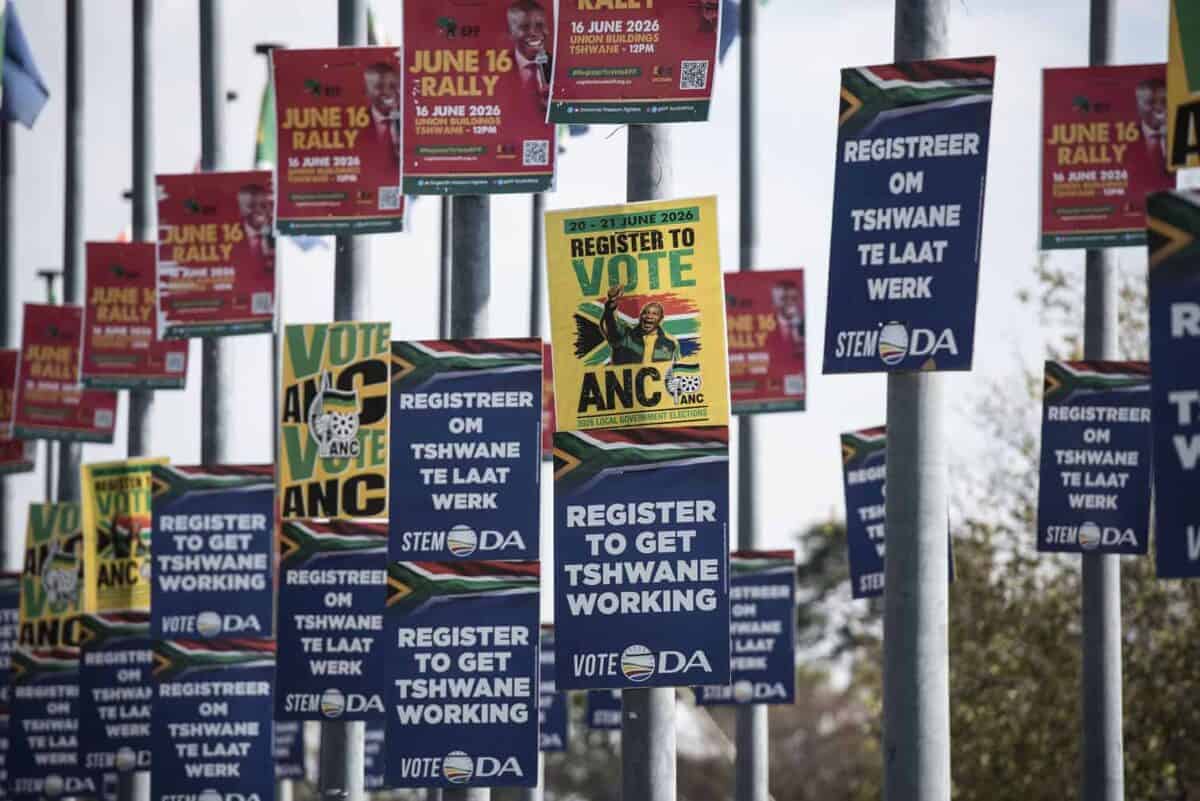
The party's concerns are particularly relevant in municipalities where fragmented councils have resulted from coalition arrangements.
Rewritten by urgent.news; may contain errors — check the original.
Source: citizen.co.za