Today I learned why Tim Berners-Lee chose not to patent the World Wide Web
Giving the web away was the whole plan
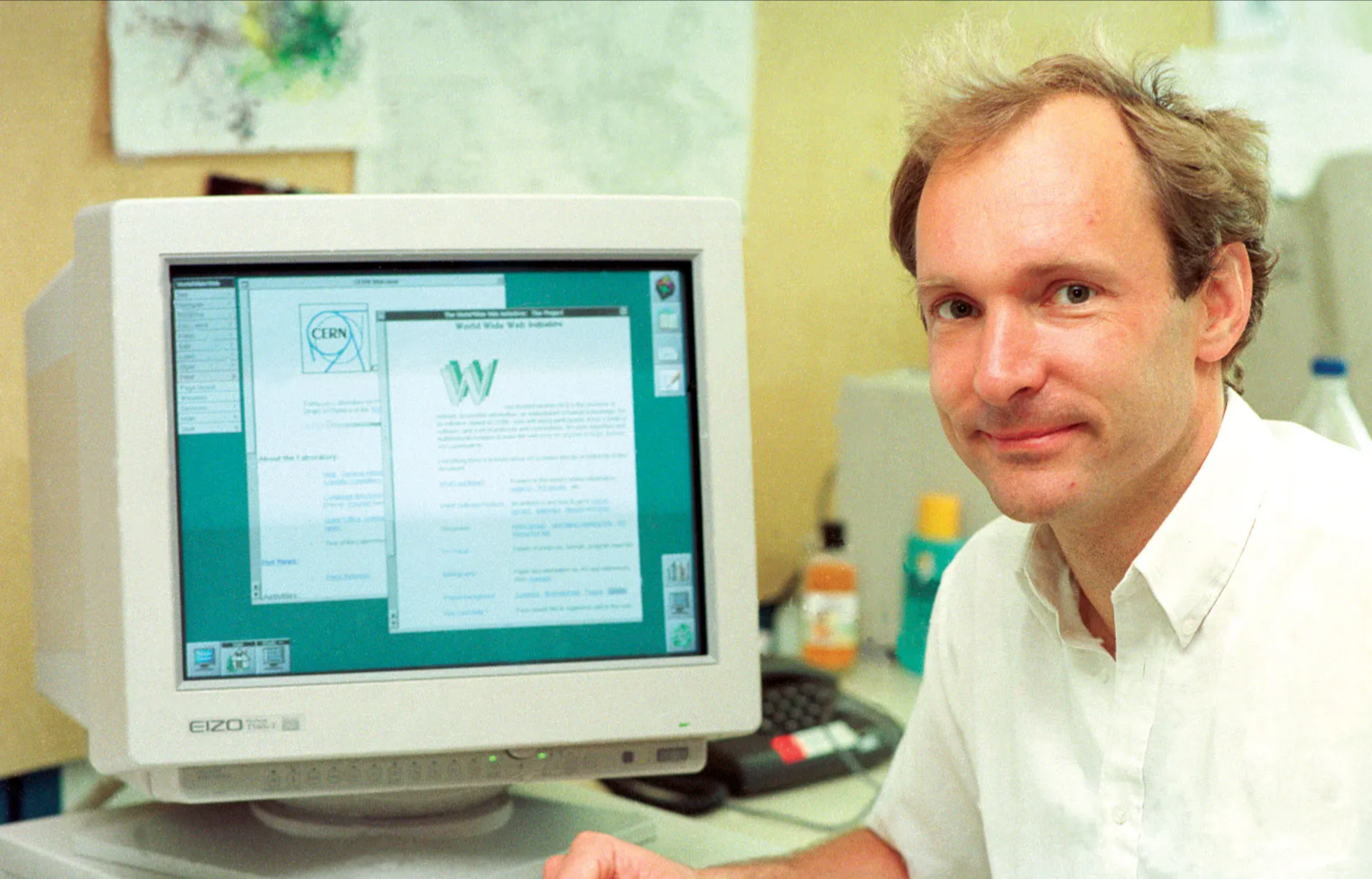
Tim Berners-Lee, the inventor of the World Wide Web, never sought to patent his creation. In 1993, CERN, where he developed the web, made the software publicly available, relinquishing all rights. Berners-Lee emphasized that the web's success depended on its accessibility to everyone. He noted that the web only thrived when it was free.
During the mid-1990s, another system called Gopher was gaining popularity, offering a competing platform. However, when the University of Minnesota started charging users to run Gopher servers, its popularity plummeted. This event prompted Berners-Lee to secure a commitment from CERN ensuring the web would remain free. Initially, CERN considered licensing the software for profit, but eventually chose the public domain route due to the infancy of open-source licenses.
After signing the declaration in 1993, CERN's web software was promptly adopted worldwide. By the end of 1994, over 500 web servers were active. In 1993, the University of Illinois launched the Mosaic browser, which catapulted the web into mainstream usage. Berners-Lee recognized that a commercial interest in the web could compromise its neutrality.
This principle guided the formation of the World Wide Web Consortium (W3C) in 1994, which ensured web standards remained freely accessible. The consortium later adopted a patent policy in 2004, allowing companies involved in web standard development to license essential patents without charging royalties. CERN attributes this decision to the web's enduring success.
Alternative systems like Gopher and WAIS existed, yet the web's simplicity and royalty-free nature facilitated its widespread adoption. In a 2024 article in The Guardian, Berners-Lee reflected on the potential impact of a patented web. He noted that today's tech giants might not have emerged if the web had been patented. Ironically, most of these companies owe their existence to Berners-Lee's decision to make the web freely available.
Rewritten by urgent.news; may contain errors — check the original.
Source: techradar.com